

- All
- Aquatics
- Awards
- Biking
- Camp Staff
- Camping
- Conservation & Environment
- COPE/Climbing
- Cub Scouting
- Fishing
- National Jamboree
- National Outdoor Conference
- NCAP
- Outdoor Ethics/Leave No Trace
- Outdoor Programs - General
- Properties
- Range & Target Activities
- Safety
- Shooting Sports
- Special Needs
- Sponsored Content
- Wheels & Board Sports
National Outdoor Conference
The 2025 National Outdoor Conference (NOC), hosted at the legendary Philmont Scout Ranch, is the premier event for outdoor program leaders, council professionals, and volunteers dedicated to delivering exceptional outdoor experiences in Scouting. This year’s conference will bring together experts from across the country to share innovative ideas, best practices, and practical solutions that support outdoor programs at all levels. If you have valuable insights, creative strategies, or success stories to help strengthen Scouting’s outdoor adventures, you’re invited to submit a Request for Proposal (RFP) to present a session at the conference.
Submitting an RFP is a simple process designed to gather engaging and educational content for a wide range of attendees. Prospective presenters should prepare a proposal that includes a session title, description, learning objectives, target audience, and presenter qualifications. Your class must fall under one of the following categories:
Leading Youth Safety Forward
This track equips camp leaders with the knowledge and tools to make safety a top priority in all aspects of camp operations. Sessions will focus on best practices for safeguarding youth, enhancing staff training, and fostering a culture of physical, emotional, and mental safety at camp.
Change and Improve the Way We Work Together
Focusing on collaboration, this track offers strategies to improving collaboration across all levels of the organization, including between local councils and camp operations.
Make Our Programs Highly Relevant to Today’s Youth
This track will explore ways to refresh camp programs to better align with the interests, values, and expectations of today’s youth. Sessions will provide actionable ideas for incorporating modern technology, innovative activities, and youth-driven programming into the outdoor experience.
Broaden Our Appeal and Revitalize Our Bran
This track helps camp leaders enhance outreach efforts and boost the Scouting America camping and outdoor image within their communities, both internal and external. Participants will learn strategies for attracting a more diverse group of campers, engaging new audiences, and positioning their camp as a must-attend experience for youth.
Strengthen Our Financial Position
Designed for council and camp leadership looking to build financial sustainability, this track covers topics like increasing camp attendance, improving fundraising efforts, and maximizing resource efficiency. Leaders will leave with practical tools to secure their camp’s financial future.
RFPs can be submitted online through the National Outdoor Conference website, with the submission deadline set for April 4th, 2025. Proposals will be reviewed by a selection committee, and presenters will be notified of their status.
This is a unique opportunity to share your knowledge and make a positive impact on outdoor programs nationwide, all while connecting with fellow Scouting leaders in the breathtaking setting of Philmont. By presenting at NOC, you can help shape the future of outdoor adventure in Scouting and provide fellow leaders with tools and ideas to take home to their councils. Start preparing your RFP today, and we look forward to seeing you at the conference!
Camping
Ready to enhance your camp programs? The 2025 National Camping School (NCS) is now accepting registrations for all Long-term (Resident) Camp and Day Camp sessions! This is your chance to equip your team with top-tier training for an unforgettable camp season. Visit stg.scouting.org/ncs to view dates, locations, and course fees.
Start recruiting your camp’s future leaders! Enroll staff for NCS who will play key roles in your summer camps and day camps, as well as year-round volunteers who drive impactful short-term camp experiences. Plus, think beyond the summer! NCS offers specialized training for program volunteers on council committees in areas like Aquatics, Range & Target Activities, COPE, and Climbing.
Register now to ensure your team has the skills to deliver safe, engaging, and memorable camp experiences. For more information about 2025 National Camping School offerings please visit stg.scouting.org/ncs or email ncs@scouting.org.

Camping
For those looking to add an exceptional program feature to their summer camp in 2025, take a look at the International Camp Staff Program (ICSP)! The aim of the program is to bring American scouts into contact with Scouts and Scouters from across the globe. Scouts can learn first-hand from international camp staffers about their nation’s Scouting program, their culture, and their customs. For many, this could be a Scout’s first chance to meet someone from another country, creating a summer camp experience they will remember forever.
The great service rendered by the international camp counselors is that they bring to camp the flavor of international Scouting and give significance to the world brotherhood ideal. Many young Scouts do not realize that Scouting is a worldwide program with over 50 million members in over 170 countries.
A great article on the World Organization of the Scout Movement (WOSM) website (https://www.scout.org/news/3-benefits-international-friendship) says having friends from different parts of the world can change our Scout’s lives. International connections and friendships can help Scouts in their personal development and fulfilment. They will learn to appreciate commonalities and differences, expand their perspectives, develop new skills, and maybe even enjoy unique travel experiences according to the article.
Three big benefits of having international friends are gaining a global vision, improving communication skills and feeling at home around the world. Scouting is about helping our future leaders be prepared for their futures.
Through the ICSP, participating Scouts are likely to learn about a new culture, traditions, habits, foods, language, ideas and more. Scouts will laugh as they overcome communication barriers and learn that a smile is the universal language.
The International Camp Staff Program is approved, certified and continually reviewed by Scouting America. Many will remember that previously this program was a function of the International Department. With the restructuring of Scouting America, the ICSP is now a function of Scouting America’s International Committee however, the goals, purposes and objectives of the program remain the same. What was once an entirely in-house program, now requires some specialized services by an external visa vendor, arranged through the ICSP team.
Councils are billed $520 by the visa vendor, but not until they have selected an international camp staff participant and notified the ICSP Team. Local councils should have prospective international staff members participate in a Zoom interview and sign a staff agreement just like US staff members.
Want more information? Please submit any questions, concerns or suggestions you might have through the interest form at https://bit.ly/ICSPCouncils2025.

Camping
As we announced at the National Outdoor Conference last fall, we have been working to update the Summer Camp Staff Training Guide and we are thrilled to announce this crucial update is now complete!
Staff training is critical to our ability to operate safe, quality camps and this resource is meant to help you in the process. If you’re unsure where to start in crafting your staff training plan, this will provide you with a solid foundation to build upon.
Let’s talk about how you might use it:
- NCAP Standard SQ-402? Check, Check, and Check!: You know that standard about having 28 hours of staff training for a long-term camp staff? The guide has over 20 hours of training material for you to use. There are also a few sample staff week schedules in the appendix to help you in planning the order and how to use the modules.
- New Material: From emergency procedures to staff culture, to effective teaching, the guide will share with you some ways to train your staff to be effective. The guide uses the EDGE method of teaching, and each module follows this plan. Ideally you will model the EDGE teaching method for camp through staff training. New modules about Mental Emotional and Social Health and “Making a Great Staff Member” are just a couple of the new modules we have included. One module even includes an ice cream social at the end!
- Tailor-Made Training Plans: Every camp does things a bit different right? The modules, while placed in the guide in a specific order, have some flexibility for you to move them around to meet your camp needs. Build a training schedule that makes sense for your specific camp’s needs.
- Streamline Your Staff Training Planning: Leverage the guide to plan your first 20 hours of staff training and then add in your own camp specific trainings to meet the needs of your specific camps and the other required training hours. Using the sample staff training schedules include in the guide gives you plenty of time for camp set up as well.
- A BIG THANK YOU: A huge shoutout to the volunteers and professionals who worked to put this guide together for us. Camp directors and program directors from across the country were a part of the planning and execution of the guide. Your hard work hasn’t gone unnoticed, and we’re beyond grateful for everything you’ve done.
We’ve already sent out download links to all our current resident (long-term) camp and program directors. And for those attending National Camping School in 2024, keep an eye out because you’ll have one in the materials you are provided with during your training.
We hope you will use this tool in your planning to train the best camp staff around. Let us know if you have any suggestions for improvements and we will keep working to help you train quality staff for your camp.

Conservation & Environment
Scouting America is joining the nationwide effort to address the critical issue of waterway and marine debris, also known as aquatic trash. Each year, millions of tons of plastic and other man-made materials enter our water bodies, endangering marine life and disrupting habitats. By participating in Scouting for Clean Waterways, Scouts can help address this critical issue and make a positive difference in their communities and beyond.
Scouts in all programs are encouraged to:
LEARN ABOUT THE PROBLEM OF AQUATIC TRASH
Did you know that up to 12 million metric tons, or about 12 billion pounds of plastic is dumped into oceans each year? Millions of pounds more are dumped into rivers, lakes, streams, swamps, and associated waterways.
https://marinedebris.noaa.gov/multimedia/videos/trash-talk-what-marine-debris
But it is not just plastic. Anything man-made can become waterway or marine debris. Most of this aquatic trash begins its journey to our oceans from land, sometimes miles away from our water resources.
WHY DOES IT MATTER?
Over 1 million marine animals are killed each year due to plastic marine debris, many more are killed from fishing line entanglement, poisoning, and loss of habitat. Just as importantly, waterway and marine debris pollutes soil, animals bred for consumption ingest the pollution, and the effects of waterway and marine debris negatively impacts our economy. This is bad for animals, bad for the environment, bad for food supplies, and bad for the economy.
TAKE ACTION
- Participate in yearly cleanup projects anywhere there is a need. Remember that trash on land will frequently become aquatic trash. Scouting for Clean Waterways projects can be held anytime.
- Organize unit cleanup projects independently or participate with community organizations.
- Remember: Every piece of trash collected and properly disposed of is one less piece of trash that can enter our waterways.
SHARE YOUR STORIES
- Tell us about your Scouting for Clean Waterways service project.
- Post pictures and stories on our Facebook page: https://www.facebook.com/profile.php?id=61561103799785
- Email your stories to us at CleanWaterScouts@scouting.org
- Share your stories with your Council and with local media. Let our communities know how Scouts are taking action to reduce aquatic trash and why it is important.
SHARE THE SCIENCE
- Scouts are encouraged to participate in the NOAA Marine Debris Program by collecting and reporting data on the Marine Tracker app. Download and share the .csv file from the app with CleanWaterScouts@scouting.org
MAKE THE COMMITMENT TO REDUCE PLASTIC CONSUMPTION
Scouts can gain knowledge on the importance of reducing personal and organizational consumption of disposable plastics and adopting sustainable practices in their daily lives. They can share their knowledge through a combination of education, practical actions, and community engagement.
Here is a guide on how Scouts can achieve this:
Education and Awareness
- Organize educational sessions or workshops within your unit to raise awareness about the environmental impact of plastic pollution. This can include discussions, presentations, and screenings of documentaries highlighting the issue.
- Provide resources such as articles, fact sheets, videos, and infographics to help Scouts understand the sources, impacts, and alternatives to plastic consumption.
Reduce Plastic Use
- Encourage all Scouts to adopt plastic-free habits in their daily lives. This can include using reusable water bottles, bags, and containers instead of single-use plastics.
- Explore alternatives to plastic packaging and products, such as choosing items with minimal or recyclable packaging or opting for products made from sustainable materials.
- Organize plastic-free events and activities within your unit, such as plastic-free camping trips.
Promote Proper Recycling and Waste Management
- Explore what materials can be recycled in your communities.
- Educate your members about the importance of proper recycling and waste disposal.
- Teach them how to properly sort and recycle different types of materials, including the variety of plastics, paper, glass, and metal.
Advocate for Change
- Encourage Scouts to become advocates for reducing plastic pollution in their communities. This can involve writing letters to local officials, businesses, or schools urging them to reduce plastic consumption and implement policies to address plastic pollution.
- Participate in campaigns and initiatives aimed at reducing plastic use and promoting sustainable alternatives, such as Plastic-Free July.
Share Knowledge and Skills
- Encourage Scouts to share their knowledge and skills on reducing plastic consumption with their families, friends, and peers. This can be done through social media, blogs, or community presentations.
- Collaborate with other Scouting units, schools, or community organizations to organize workshops or events on plastic reduction and environmental conservation.
By combining education, practical actions, and community engagement, Scouts can learn to reduce plastic consumption and become advocates for a healthier, more sustainable planet. Together, let us make a positive impact on our environment and protect our precious water resources for future generations. Join us for Scouting for Clean Waterways!

Camping
If there is one thing with which every Scout I talk to these days can agree, it is this—just how much we are all looking forward to getting back to camp this summer. After two years of spending too much time indoors and away from friends, the 2022 camping season calls to us with promises of adventure, fun, personal growth, and friends—both old and new.
With so many Scouts counting down the days to their summer camp adventure, I want to encourage each of us to ask, “Is your favorite camp ready to provide a mountaintop experience to the girls and women who will attend?”
Consider this: We go to the places we are invited, but we return to the places where we feel welcome. In too many instances, we have invited the girls and women in our community to join us in Scouting programs, but we haven’t done all the necessary work to make them feel welcome — to ensure that they will want to keep coming back.
Jack Welch, former CEO of General Electric, said, “Deal with the world as it is, not how you’d like it to be.” How does this relate to summer camp? It begins with getting truthful about what the readiness level of your camp REALLY is. We don’t solve anything by simply saying, “let’s just build single-gender bathrooms.” We must take a hard and honest look at where we are, or aren’t, regarding our camp structure, and consider where we need to be. Yes, I do understand cost is a factor but there are still ways to make improvements.
Start by pausing and asking what is working well and what is not? How can your camp work to make things better, to be more inclusive and welcoming to all who come and spend time on your properties and in your campsites?
So, let’s get practical and tactical! Here are my 12 tips to make 2022 the best camp experience that our Scouts have ever had.
Awesome Camp Tip #1: Words Matter. Let’s not differentiate between boys and girls; instead let’s just call them Scouts.
Awesome Camp Tip #2: Sell feminine hygiene products in your trading post.
Awesome Camp Tip #3: Put trash cans with liners in every bathroom stall. This is both welcoming and sanitary.
Awesome Camp Tip #4: Mark the gender of every bathroom, including gender-neutral facilities.
Although we could call these first four tips the “small things matter” section; in fact, they matter a lot. Why? Because attending to the small things makes the girls and the women in your camp feel welcome. If a female can’t properly dispose of a feminine product, or purchase one if she is in need, I can tell you from personal experience, she is not going to feel welcome.
Awesome Camp Tip # 5: Avoid terms such as “Smother mother” and “helicopter mom. At your camp, are adult females encouraged to attend along with their youth, or “to cut the umbilical cord?” When you hear these terms being used by staff, by Scouts, or by adult leaders, take a moment and explain why speaking about women in camp this way perpetuates a stereotype that says women complicate the camp environment, rather than contribute to it.
Awesome Camp Tip # 5: Re-evaluate your application process for staff.
Are leadership experiences that youth gain outside of Scouting valued, or do you base your assessment purely on Scout experience? There is a long list of experiences that prepare a young person to be a great camp staffer. Quality camp programs have a lot to do with a focus on customer service, and youth get that experience in various ways.
Awesome Camp Tip # 6: Take the feedback forms you get each week seriously.
We’ve all read a feedback form that is overly harsh and unfair. Those are easy to disregard, but does your camp have a practice of looking honestly at the feedback you receive, or are you rationalizing why you can disregard what you’re reading? Are you willing to pivot and adjust throughout your camp season to ensure that one person’s challenging experience this week does not become someone else’s challenging experience next week?
Awesome Camp Tip #7: Set behavior expectations prior to arrival for all units.
Share behavior expectations with unit leaders as part of pre-camp orientation information. Emphasize the expectations in staff training and review with campers during orientation each week. Provide a reporting example and make it clear that reporting of unacceptable behavior is mandatory. Everyone in camp is responsible for ensuring a healthy and welcoming environment for all campers! It is NOT our job to decide whether a situation merits being reported; it is our job to report issues and allow camp leadership to assess the situation and decide what action to take.
Awesome Camp Tip #8: Make sure all units know what to expect each day of camp, prior to arriving. Don’t assume legacy knowledge from any unit or leader. Offer a pre-camp Q&A session.
Awesome Camp Tip #9: Swimwear — stop using the word MODEST.
From the National Scouting America Aquatics Subcommittee; “We recommend that swimwear should be comfortable, functional, and appropriate for the specific aquatic activity. As always, we remind everyone that Scouting’s Barriers to Abuse state, ‘Appropriate attire is required for all activities’. Policies should reflect Scouting America’s statement and commitment to diversity, equity, and inclusion.”
Awesome Camp Tip #10: Establish an Upstander culture in your camp.
Create a see-something, say-something expectation among staff, campers, and adult leaders. Make public statements to of expectations. Ensure it’s clear to everyone in camp that certain behaviors are not appropriate and will be addressed quickly if they occur.
I ran a camp for youth and adults with disabilities for 10 years. Trust me when I tell you that everyone knows when something has “happened” in camp. Often the details are not appropriate to share with everyone, but your transparency in sharing that there’s been an incident and it is being handled, and then using this as a teachable moment to remind everyone about rules and expectations, is an example of your leadership!
Awesome Camp Tip #11: Stop making exceptions or excuses for bad behavior by anyone in camp, especially when it is displayed by adults.
The notion that we don’t want to make Scouter X upset because he or she has given 25 years or even 50 to Scouting is not acceptable. . We need to treat everyone equitably.
Awesome Camp Tip #12: It takes all of us working together to impact change. Find and focus on your allies and let them help influence others
Find the people at your camp, and in your council, who want to make Scouting an equal and fair space for all youth to thrive. Align yourselves with them. Ask for their help. Get to know the other women in your council. Introduce yourself to other women in camp. Work together. Find the leaders already in place in your Scouting community who want to help you and let them! Often those leaders already in place are men. They may be men who are equally passionate about our camps being a safe and welcoming place for girls and women to enjoy Scouting. Look for them. They can teach you a lot, and you can teach them too!
I’ll leave you with this vision for the future of Scouting:
Let’s make sure every Scout camp in our country embraces the opportunity to provide a welcoming place for all girls and women, so that they can contribute to a thriving Scouting movement. All of us can help improve Scouting for each young person. Please share with us via outdoorprograms@scouting.org ways that you helped provide an even more welcoming environment for your campers.
Now let’s go camping, see you on the Scouting Trail!
National Outdoor Conference
There’s still time to join us at the National Outdoor Conference September 17-21 at Philmont Scout Ranch. You will not want to miss this event with this year’s theme of “Rooted in the outdoors, Scouting’s path forward” as we explore how the outdoors has shaped the path of Scouting for years and continues to be our path to the future. With over 100 electives sessions there are sessions for everyone. So you don’t want to miss this opportunity to meet new friends, connect with old ones, and come away educated and inspired to meet the challenges of Scout camping.
We’re thrilled to announce our Friday night featured speaker: Jennifer Pharr Davis, internationally recognized adventurer, author, and speaker. Jennifer is best known for setting the fastest known time on the Appalachian Trail in 2011, hiking 2,190 miles in just 46 days (an average of 47 miles per day). She has trekked more than 14,000 miles across six continents, inspired audiences across the globe, and served on the President’s Council for Sports, Fitness and Nutrition.
Learn more about Jennifer at jenniferpharrdavis.com.
We’re also excited to welcome back on Thursday morning, Dr. Michael McClam, who will share valuable insights on MESH (Mental, Emotional, Social Health) and supporting camp staff. His sessions have been a highlight for many past attendees, and we’re thrilled to have him return.
Plus, you won’t want to miss Thursday night’s special guest speaker, Taylor Anderson who will take us on the journey of a lifetime – sharing her inspiring story of climbing Mount Kilimanjaro and the lessons learned along the way.
And don’t forget the preconference sessions still have space open too!
Sign up today.
For more information visit the 2025 National Outdoor Conference website at https://stg.scouting.org/outdoor-programs/noc/
The National Outdoor Conference is sponsored by Black Pug Software

Safety
Every June, communities across the country come together to focus on a shared mission: preventing injuries and saving lives. Since 1996, the National Safety Council (NSC) has led the charge with National Safety Month (NSM)—a month-long observance dedicated to reducing the leading causes of preventable injury and death, both on and off the job. This year, Scouting America is proud to stand with the NSC in promoting safety awareness that reaches from the workplace to the outdoors, and everywhere in between.
Stay Safe at Work and Beyond
Preventable injuries remain one of the leading causes of death in the United States. As Scouts, leaders, volunteers, and families, we understand the value of preparation and care. By participating in National Safety Month, we’re making a commitment—to ourselves and our communities—to create safer environments for everyone.
This June, let’s embrace the principles of the Scout Oath and Law by taking action that protects lives and promotes well-being. Whether we’re organizing troop outings, running day camps, or simply going about our daily routines, safety starts with awareness and smart decision-making.
2025 Weekly Safety Topics
The NSC will offer free downloadable materials throughout June, focusing on a new safety theme each week. These resources are perfect for Scout meetings, safety merit badge discussions, and community outreach:
- Week 1: Safety Engagement
Learn how to involve everyone in creating safer spaces—at camp, at home, and in your community.
- Week 2: Roadway Safety
Discover key tips for staying safe on the road—whether you’re behind the wheel or on a bike.
- Week 3: Risk Reduction
Identify and mitigate risks in your surroundings, from campsite hazards to common household dangers.
- Week 4: Slips, Trips and Falls
Understand how to prevent these common yet serious accidents, especially in active outdoor environments.
Sign Up for Free Safety Resources
Get ready for a safer summer! Sign up today with the National Safety Council to receive alerts as soon as your free 2025 safety materials are available. These tools are designed to empower Scouts, leaders, and families with practical knowledge to stay safe during National Safety Month—and all year long.
Let’s work together to live out the Scout Motto—Be Prepared—by making safety a top priority in everything we do.
Camping / Cub Scouting
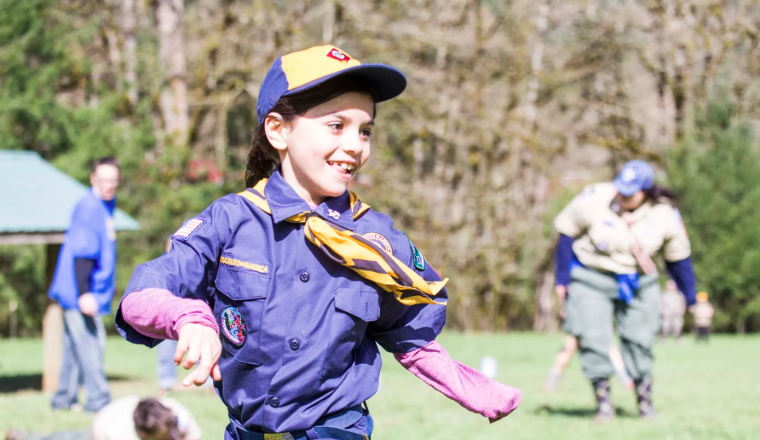
As the weather warms and nature begins to bloom, spring offers a perfect opportunity for local councils to provide engaging outdoor programming that excites Cub Scouts and encourages participation. For camp leadership, crafting innovative spring activities can bridge the gap between winter hibernation and the summer season, ensuring Cub Scouts remain connected to the Scouting program while building anticipation for day camp or long-term camp. Here are some creative ideas for districts and councils to implement:
1. Spring Nature Exploration Events
Organize guided nature hikes or wildlife exploration days at camp properties. With a focus on discovery, Cub Scouts can learn about plants, animals, and ecosystems coming alive in the spring. Adding themed scavenger hunts or badge-related activities can create an educational and entertaining experience while familiarizing Scouts with your camp properties.
2. Outdoor Skills Workshops
Host day or weekend events focused on age-appropriate outdoor skills. Activities like knot-tying, shelter building, fishing, and basic first aid provide hands-on experiences while preparing Cub Scouts for future adventures. Incorporating skills into fun challenges or games ensures that learning remains engaging and enjoyable.
3. Themed Adventure Days
Plan themed adventure days to ignite imaginations. For example:
- Pirate Adventures: Include treasure hunts, map reading, and water-related activities.
- Wild West Days: Teach archery, introduce simple outdoor cooking, and offer horseback riding or stick pony races.
- Superhero Training Camp: Incorporate obstacle courses, teamwork challenges, and problem-solving activities.
Themes like these not only attract participation but also give Cub Scouts a taste of summer camp excitement.
4. Spring Service Projects
Encourage Cub Scouts to give back to their communities with spring service projects. Clean-up days at local parks, planting flowers or trees, and repairing trails teach valuable lessons in stewardship and community involvement. Hosting these events at campgrounds can also help prepare your property for summer use while connecting Scouts to the space.
5. Cub Scout Camp Preview Days
A spring open house or camp preview day can familiarize parents with your camp’s amenities and programming. Offer short rotations of camp activities like BB guns, archery, and crafts to provide a taste of what summer camp will bring. This not only builds excitement for day camp or long-term camp but also increases early registrations.
6. Family Picnic and Campout Events
Invite Cub Scouts and their families to a spring picnic or overnight campout. Pair the event with simple games, a nature walk, or a campfire program to showcase your facilities and the fun awaiting in Scouting. These events help build relationships with families and create lasting memories.
7. Outdoor STEM Programs
Integrate STEM (Science, Technology, Engineering, and Math) into outdoor activities. Build weather stations, experiment with water filtration, or explore solar energy through hands-on projects. Combining STEM with the outdoors encourages curiosity and keeps Scouts engaged in learning outside the classroom.
8. Springtime Cub Olympics
Host a Cub Scout Olympics event featuring fun, age-appropriate challenges like sack races, relay races, tug-of-war, and water bucket relays. Add a recognition element with medals or ribbons to celebrate participation and achievements.
Enhancing Spring Programs for Camp Leadership
To make these programs successful, camp leadership can focus on:
- Marketing: Use newsletters, social media, and school outreach to promote events. Highlight the fun and educational benefits of participation.
- Partnerships: Collaborate with local organizations, nature centers, or experts to enrich programming with unique resources and knowledge (PD-109).
- Volunteer Engagement: Recruit dedicated volunteers or older Scouts to assist with running activities, ensuring smooth operations and mentorship opportunities.
- Feedback Loops: Gather feedback after events to continuously refine and improve programming for future seasons.
By offering creative and engaging spring outdoor programs, local councils can keep Cub Scouts excited about Scouting, strengthen family connections, and build momentum for summer day camp or long-term camp. The key lies in fostering a love of the outdoors while ensuring activities are fun, meaningful, and memorable.
Fishing
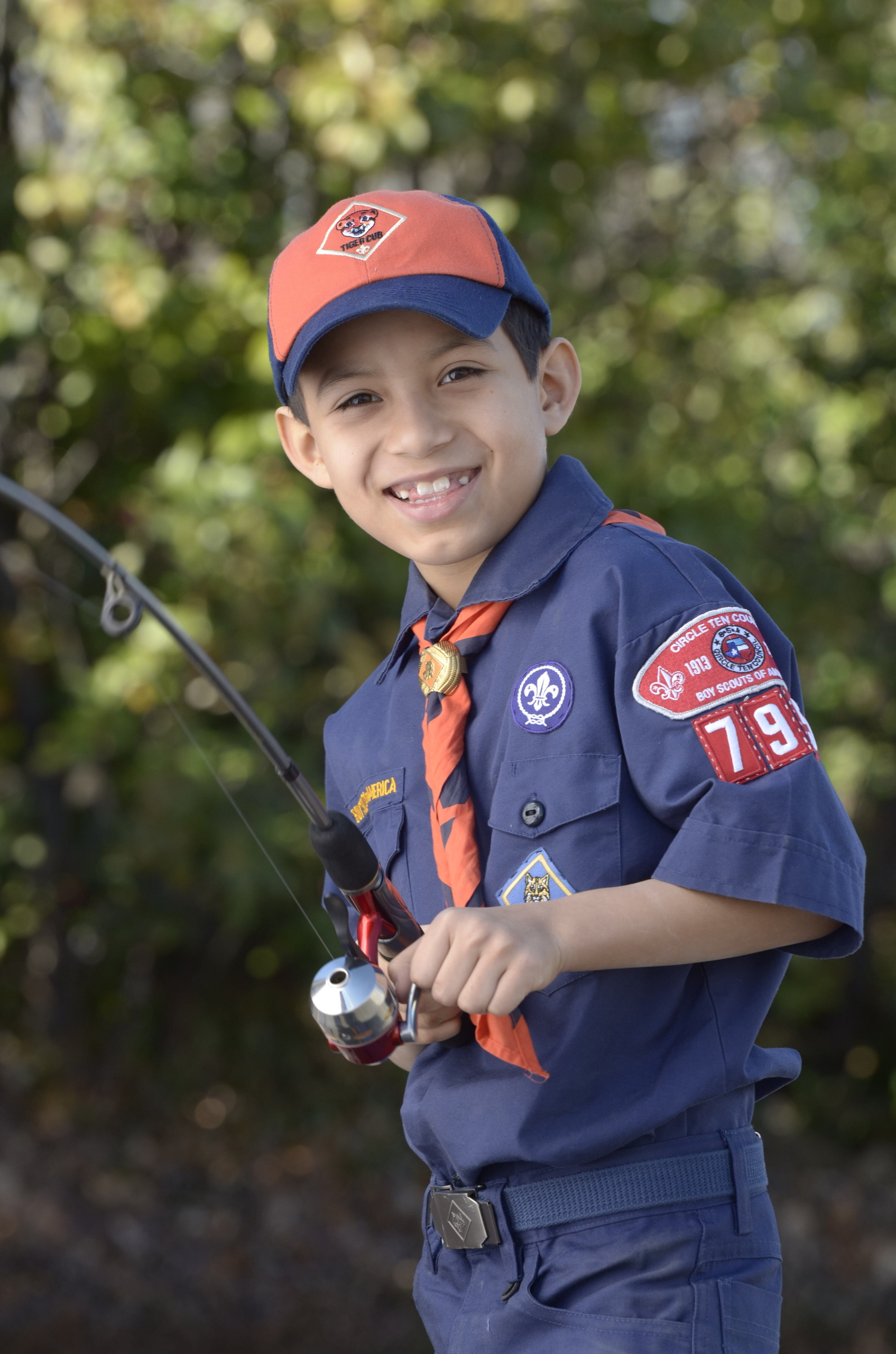
You bet it has! The National Fishing Sub Committee has responded to this by some hard work by our members to adapt to the “new normal”.
A revision to the Fishing Merit Badge Counselor’s Guide and the Fly-Fishing Merit Badge Counselor’s Guide have been made. Check them out at: https://filestore.scouting.org/filestore/Outdoor%20Program/pdf/FishingCounselorGuide.kc.pdf
https://filestore.scouting.org/filestore/Outdoor%20Program/pdf/Fly-FishingCounselorGuide.kc.pdf
With virtual meetings being used due to the Covid-19 pandemic, we are in development of a course on virtual meetings and how to have them. We know many of our Certified Angling Instructors would make good use of these.
We are currently building the online portion of Certified Angling Instructor (CAI) Course. We realize there is a hands-on element to fishing so at this point we think about a third of this cornerstone course for fishing can be done virtually.
The next online development challenge will be the merit badges. We think much of the material can be taught online but there may be elements that will need equipment or instruction that cannot be virtual. We are hoping to have a viable online curriculum by the end of summer on both the CAI Course and Fishing Merit Badge.
Now, let’s talk about being safe in the “new normal”. If we are to go outside, we need to practice social distancing. Hey, what about fishing? Social distancing is easy while fishing, especially when fishing from shore.
You do not need a fancy boat, piles of fishing rods or really any fancy equipment to have fun fishing. At most local lakes, all you need is a stick or cane pole, fishing line, hooks, a bobber and worms to have fun. Who can remember being 8 to 15 years old and catching bluegill all day until you couldn’t see the bobber anymore because it was dark? These are some of fond memories we can help build.
Our commitment to youth has always been to create memories for them. Don’t you have the same idea? Help our youth to get that cane pole, bobber, hooks and worms to go fishing. By doing this, we can create a memory for them forever.

Camp Staff / Camping
“If you hire people just because they can do a job, they’ll work for your money. But if you hire people who believe what you believe, they’ll work for you with blood, sweat, and tears.” – Simon Sinek, author & speaker
For most camps, finding and keeping an excellent camp staff is the thing that separates the “OK” from the awesome. It can be truly difficult. What makes this challenge less challenging?
- Do Not Settle – First, determine who should NOT come back. This is a culture builder. It may seem obvious, but the goal is not to fill all the spots on the org chart. It is better to have fewer staff (even if you need to change your program), than to have mediocre or toxic staff as a drag on your team.
- Year-Round Fun – Getting your team together for holiday parties, support of council events, or to staff short-term camps is a great way to remind your team how much fun they have when they get together and to build commitment and anticipation for next summer.
- Hire Early – As one season ends, the next begins. It isn’t too early to talk about possible future roles. A holiday gathering is a great time to get that solid commitment for the next season. Better still, hire your director staff before that and send them on a recruiting palooza at your holiday gathering.
- Room to Grow – Don’t let your experienced staff get bored. Helping them get where they want to go both recognizes their service and builds their loyalty and your skill base.
- Training and Scholarships – Plan for the future by sending people to National Camping School or other quality training. If at all possible, find ways to fund education for those attending university or trade schools (think EMT, culinary, and other specialties). It may seem expensive, but is there such a thing as too many qualified people?
- New Roles and Responsibilities – Recognize excellence and leadership by promoting skilled team members to new areas. Ask for their input as you develop programming. What things on your to-do list can be done by experienced staff as off-season volunteers? And if you do not have a role at your camp, help them connect with another camp for a new adventure (Eek! Can we do that? Yes! And your short-term loss often becomes a long-term gain when they come back to you with friends or new skills).
- They Have Friends… – Your staff knows what qualities we need for our camps and can share a realistic picture of camp life. They likely affiliate with folks who have those qualities. A referral bonus is a great way to keep recruiting in front of their brain to bring in those new staff.
- Alumni – Just because a staff member cannot return, doesn’t mean they love camp less. Like your best staff members, alumni are a great source for new, quality recruits. Make sure you ask them to help.
Experienced camp staff and leaders know the obstacles and challenges of long days, conflicting schedules, FOMO, and the need to earn “real” money that our camp staff share. But making our staff part of the ongoing development of your camp and Scouting keeps them invested even after life takes them down a different path.
What did we miss? For more information about recruiting, training, and retaining your best staff, join and add your thoughts to our Teams page at: Staff Recruitment and Training. Check out the extensive resources from the American Camping Association (ACA), too. We’ve even done the search for you: https://www.acacamps.org/search?keys=staff+retention.
NCAP
As of January 1, 2025, the updated National Camp Accreditation Program (NCAP) standards will be in effect. Councils must review these updates to ensure compliance and maintain safe, high-quality programs. The latest standards can be downloaded from the NCAP website at https://stg.scouting.org/NCAP or directly via this link.
How to Identify Changes in the Standards
There are two ways to locate updates to the NCAP standards:
- Table of Contents Annotations: The table of contents notes changes to standards for 2024 and 2025.
- Circular #22: This document provides a detailed breakdown of changes, standard by standard. Access Circular #22 here.
Key Changes Councils Should Note
NCAP Standard PD-112:
Councils must adopt and implement a plan to review every activity at all types of camps at least once every three years. This review focuses on identifying and addressing any significant incidents to improve participant safety.
NCAP Standard SQ-406:
Following a change in American Red Cross policy, individuals completing the National Camping School’s Aquatics Director Section will no longer be certified to train lifeguards. Camps must:
- Ensure aquatics staff receive proper training elsewhere, or
- Have someone in the council become an American Red Cross Lifeguard Instructor to train staff as required.
As of January 1st, 2025 the Scouting America Lifeguard program is no longer being taught. Once a person’s current certification expires, it cannot be renewed.
NCAP Standard SQ-412:
Clarifications have been made regarding First-Year Camper Directors. These directors must demonstrate specific knowledge to receive a council waiver if they have not attended National Camping School to become Outdoor Program Directors.
NCAP Standard FA-717:
A quick reminder, as of January 1, 2024, all beds with mattress foundations more than 30 inches above the floor must have guardrails to prevent falls. This requirement applies to all beds in buildings, Adirondacks, tents, and other sleeping areas.
Additional Notes and Deadlines
Several other changes to the standards have been made. Councils and camp staff are strongly encouraged to thoroughly review the updated standards to ensure compliance. Failure to meet these standards during an assessment could result in the temporary closure of non-compliant areas.
May 15 Deadline:
All summer programs must submit their Declaration of Readiness to their assessment team leader by May 15 for review.
Need Help?
For more information about the updates or assistance with the standards, contact your local NCAP Zone Coordinator or email ncap@scouting.org. Staying informed and prepared will ensure that your camps provide safe, enriching experiences for all participants.
Email blast!
Email blast!