

- All
- Aquatics
- Awards
- Biking
- Camp Staff
- Camping
- Conservation & Environment
- COPE/Climbing
- Cub Scouting
- Fishing
- National Jamboree
- National Outdoor Conference
- NCAP
- Outdoor Ethics/Leave No Trace
- Outdoor Programs - General
- Properties
- Range & Target Activities
- Safety
- Shooting Sports
- Special Needs
- Sponsored Content
- Wheels & Board Sports

Camping
The off-season is often viewed as a quiet time for Scout camps, but it’s actually one of the most critical periods for engaging with your camp staff. Winter months may separate your team from camp, but that doesn’t mean the bond needs to fade. In fact, this is the perfect time to nurture connections, keep excitement high, and encourage your camp staff to return for another summer. Effective winter engagement not only strengthens the camp community but also ensures that you retain experienced, passionate staff for the upcoming season.
In this article, we’ll explore practical and creative ways to engage with your camp staff over the winter months, so they feel excited and motivated to return next summer.
Newsletters: Send out a short email that includes camp updates, highlights from the previous season, and exciting plans for the upcoming summer. Include features like “Staff Spotlight” profiles to showcase the achievements of returning team members.
Virtual Campfires: Set up an online campfire or storytelling event where staff can share their favorite camp memories or play games. This helps maintain the camaraderie that comes with living and working at camp.
Certifications and Workshops: Help your staff enhance their skill sets by offering certification opportunities in areas like wilderness first aid or CPR during the offseason. These certifications can be useful both at camp and in their future endeavors.
Handwritten Notes: A handwritten note of appreciation can be incredibly meaningful. Take the time to write a personal message to each returning staff member, thanking them for their contributions and letting them know you’re excited to have them back.
Anniversary Celebrations: Recognize staff who have hit major milestones, such as one year, two years, or even five years of working at camp. Highlight their growth and accomplishments within your communication channels to inspire others to stay.
Money Talks: Encouraging returning staff to commit to the upcoming summer as early as possible can help ensure your team is filled early and often. Consider offering exclusive perks to those who commit early. For example, early rehire bonuses. Provide incentives such as bonuses or camp discounts for those who re-sign early for the following season. This rewards their commitment and makes it easy for them to lock in their place for the summer.
Recruiting and engaging returning camp staff during the off-season may seem daunting, but it’s a crucial part of ensuring your Scout camp’s success. By starting early and keeping staff engaged throughout the winter months, you’ll be well on your way to building a team of dedicated, enthusiastic individuals ready to make the upcoming summer unforgettable.
Looking for other ideas? Check out this link from the American Camp Association too!
Properties
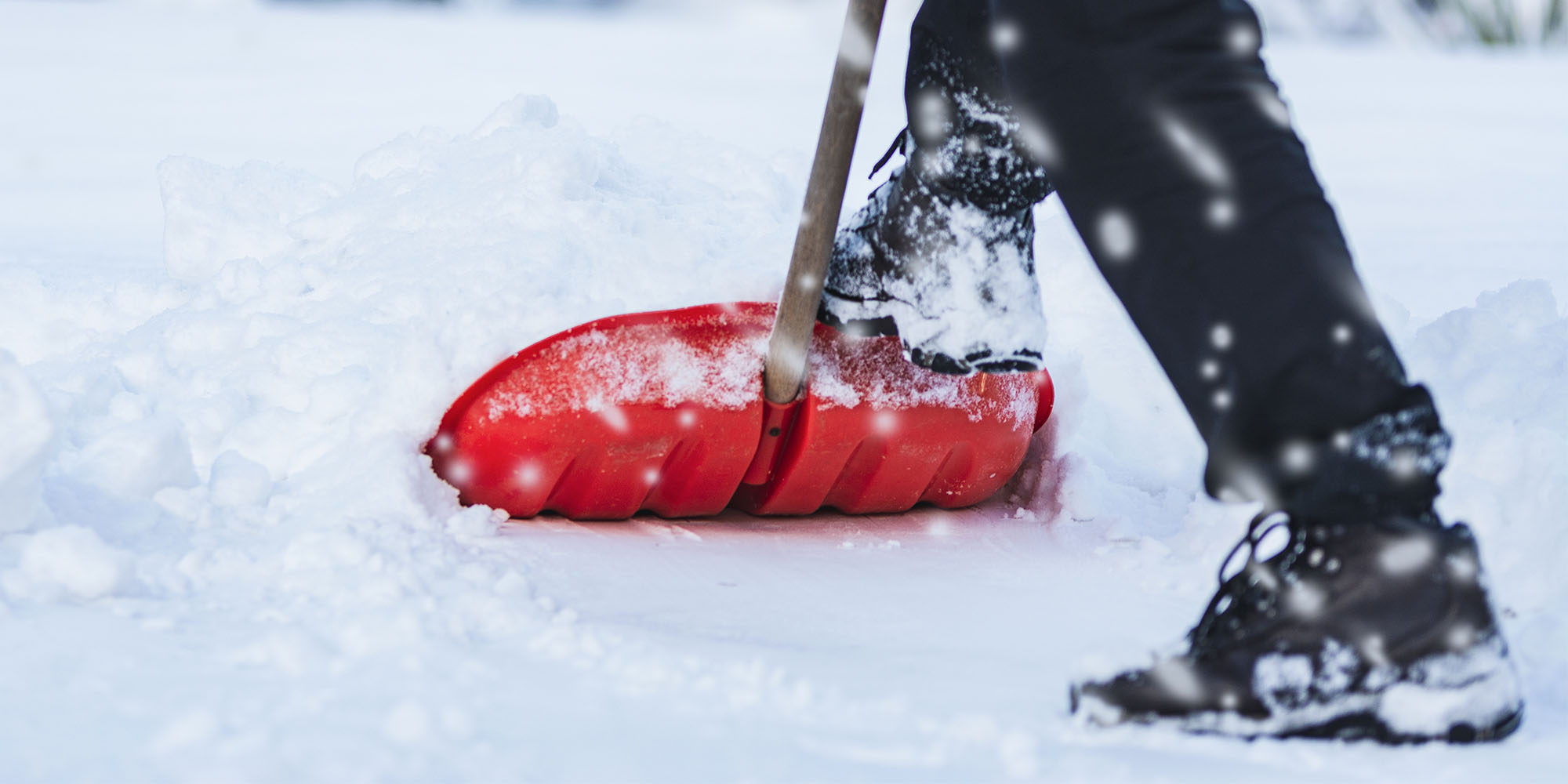
Winter is here and our driveways, sidewalks, and council properties are going to get covered in snow. Removal is a dreaded chore that needs to be planned out ahead of time. Snow shoveling can be a very dangerous task if not handled correctly.
Here are some fast and easy ways to stay safe this winter:
Warm Up. Yes, just like in gym class back in middle school warming up and doing stretching exercises will help from getting injured. Even just bending from side to side will help get you ready for the snow.
PUSH rather than lift. Lifting snow can be very strenuous. If you do lift the snow, make sure you lift with your legs and bend your knees.
A good shovel. Ergonomic shovels take the load off the back and keep your body from moving in positions where injuries can occur. Even better, use snow scoops instead of conventional shovels. Your back will love you for not having to do all that lifting.
Take a break. Only shovel for 20 to 30 minutes at a time. Take a break, have a nice warm cup of Hot Chocolate in between. Fresh wet snow can be extremely hard on your body so pace yourself. Overdoing it can lead to an increased risk of heart attack. According to the American Heart Association, even walking through heavy, wet snow can place strain on your heart. See this related article from the American Heart Association.
Wear Layers. Just like we learned in Scouting for winter weather. Layers are the way to maintain proper body temperature. Overheating can be a problem so keep it loose and take layers off as needed.
Stay Hydrated. Drink plenty of water to stay hydrated while moving snow.
Remember, winter is a time of year when a majority of us are less active so injuries can occur when we least expect them. Once you have finished that sidewalk clearing, drop a little ice melt down so you or a camper don’t slip and fall on your freshly cleaned area. Nobody wants their holidays ruined with a broken ankle or messed up back. So, stay safe and have a wonderful winter season.
Properties
Winter weather can bring challenges to outdoor maintenance projects at Scout camps. However, it’s also an opportune time to focus on indoor tasks that contribute to the overall upkeep of the camp. In this article, we’ll explore maintenance projects that can be done indoors during the winter season.
Cabin Inspections and Repairs:
Use the winter months to inspect cabins for any issues that may have arisen during the year. Check for leaks, drafts, or damaged windows and doors. Addressing these concerns early ensures a comfortable and secure environment for campers when the camping season resumes.
Indoor Painting and Refinishing:
Consider giving indoor spaces a fresh coat of paint or refinishing wooden surfaces. This not only enhances the aesthetics of the camp but also helps protect surfaces from wear and tear.
Update your FIIX Records:
Use this time indoors to ensure your FIIX records and files are up to date. Have you logged all the maintenance from the last few months? Create check lists for spring and get prepared for summer. Aren’t using FIIX yet? Reach out to outdoorprograms@scouting.org for details on this important tool.
Equipment Inventory and Repair:
Take inventory of indoor equipment such as tables, chairs, and kitchen appliances. Identify items that require repair or replacement. This ensures that all equipment is in optimal condition for the upcoming camping season.
Safety Equipment Check:
Inspect and maintain safety equipment stored indoors, including first aid kits, fire extinguishers, and emergency exit signage. Confirm your SDS sheets are up to date. Replace expired items, replenish supplies, and ensure that all safety measures are up to date.
Storage Organization:
Take the opportunity to organize storage spaces. Properly label and arrange equipment, tools, and supplies. This not only makes it easier to locate items when needed but also contributes to a more efficient use of indoor spaces.
Training and Development Sessions:
Use the winter weather to focus on your professional development. There are many online trainings that can be a great addition to your training profile as well as ensure you have the required 12 hours of continuing education per NCAP standard SQ-404.
Winter at Scout camps provides a unique chance to focus on indoor maintenance projects that contribute to the overall well-being of the camp. By tackling these tasks during the colder months, you ensure that the camp is ready to welcome campers with open arms when the warmer weather returns.
Properties
For some of us the winter coming means cold temperatures and potentially snow. But to keep our facilities in good shape we have to think about some things to ensure they are ready for next season. This includes getting the camp ready for the winter. To “Be Prepared” for the winter here are a few things you need to remember.
Winterizing a camp involves preparing the facilities and grounds for cold weather and potential winter usage by following a set of actions to protect property, equipment, and plumbing from potential damage.
Here are some key steps for winterizing Scouting America camp facilities:
- Preparing the grounds and exterior
- Clear debris: Remove leaves, branches, and any other debris from the camp area, especially around buildings, drainage systems, and pathways.
- Trim trees: Trim back tree branches that are close to buildings or power lines to prevent potential damage from winter storms.
- Inspect and repair structures: Check roofs, siding, windows, and doors for any damage that could allow water, pests, or cold air to enter and make necessary repairs to prevent more significant issues from developing during the winter months.
- Water systems
- Shut off the main water supply: Locate the main water shut-off valve, typically near the water meter, and turn off the water supply to all buildings in the camp.
- Drain all pipes: Open all faucets, including those for sinks, showers, and outdoor spigots, to drain the water from the lines.
- Blow out the lines: Use an air compressor to force any remaining water out of the pipes. This step helps prevent freezing and potential burst pipes during cold temperatures.
- Drain water heaters and tanks: Turn off the power or gas supply to water heaters, then drain them to prevent damage from freezing water.
- Winterize appliances: Drain water from dishwashers, washing machines, and refrigerator lines. Consider adding non-toxic RV antifreeze to the drains of sinks, tubs, and toilet tanks to prevent any residual water from freezing.
- Interior spaces
- Remove perishables: Remove all perishable food items from refrigerators, freezers, and cabinets to avoid spoilage and pests.
- Clean thoroughly: Deep clean all cabins, kitchens, and other indoor spaces. This helps deter pests and makes for an easier re-opening in the spring.
- Secure openings: Close and lock all windows and doors securely. Seal any cracks or openings in walls, foundations, and around pipes to prevent pest entry and drafts.
- Protect textiles: Close drapes or blinds to protect furniture and other textiles from sun damage, and use mothballs or dryer sheets to deter pests in storage areas for linens and bedding.
- Equipment and tools
- Store summer recreation equipment: Clean and store boats, kayaks, and other summer recreational equipment in a protected area to avoid damage from winter weather.
- Winterize gas-powered tools: Properly clean, drain, and store lawnmowers, weed whackers, and other gas-powered tools according to manufacturer instructions.
- Other important considerations
- Communication: Clearly communicate winterization procedures and any necessary precautions to camp staff, volunteers, or anyone who might access the facilities during the off-season.
- Winter programming (optional): If the camp will be used for winter programs, ensure adequate heating is available and necessary winter gear, like snowshoes, is on hand.
- Emergency plan: Have a clear plan for emergency situations, like power outages or burst pipes during the winter months.
- Follow Scouting America guidelines: Adhere to all safety guidelines and best practices for cold-weather camping and outdoor activities outlined by Scouting America.
By diligently following these steps, you can effectively winterize your BSA summer camp facilities, ensuring their protection during the off-season and a smooth reopening in the spring.
Email blast!
Email blast!