

Waypoint #3
Safe Adventure
Waypoint
noun /ˈwāˌpoint/
A stopping place on a journey. In modern terms, it most often refers to coordinates which specify one’s location at each stage along the way. Here we will use Waypoints to identify the stages of The Adventure Plan.
The best Adventure is a Safe Adventure. Safety is more than just a waypoint, it’s the thread that stiches planning, preparation, and activities together. Focus on what hazards can be avoided in advance. The best prevention of accidents is preparedness.
Scouts and their parents expect all Scouting America activities to be conducted safely. To ensure the safety of participants, Scouting America expects leaders to use the four points of SAFE when delivering the Scouting program.
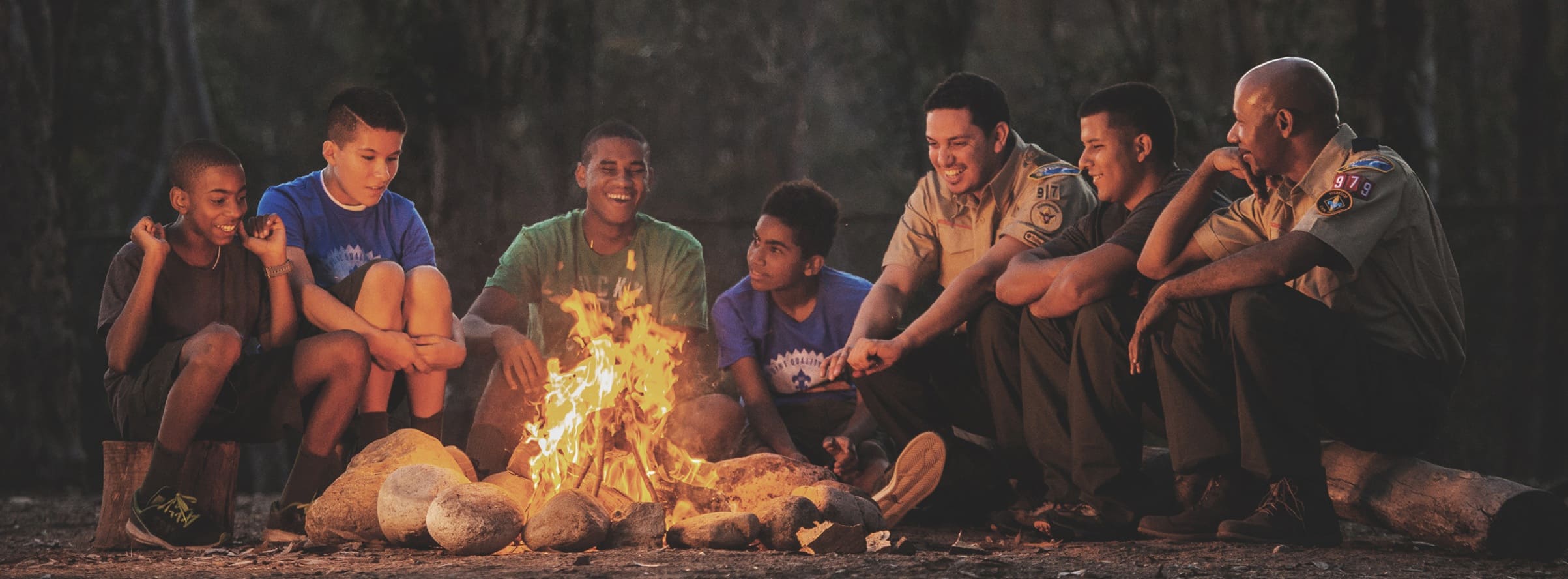
Follow the S.A.F.E Checklist
Supervision
Ensure the appropriate number of Adult Leaders per Youth Protection and Adult Leadership
- Verify all adults are Safeguarding Youth Trained
Training – while Scouting only requires one adult to be trained for the activity, all attending the Adventure (youth and adults) will benefit from the following trainings:
Maintain engagement with participants to ensure compliance to rules and procedures.
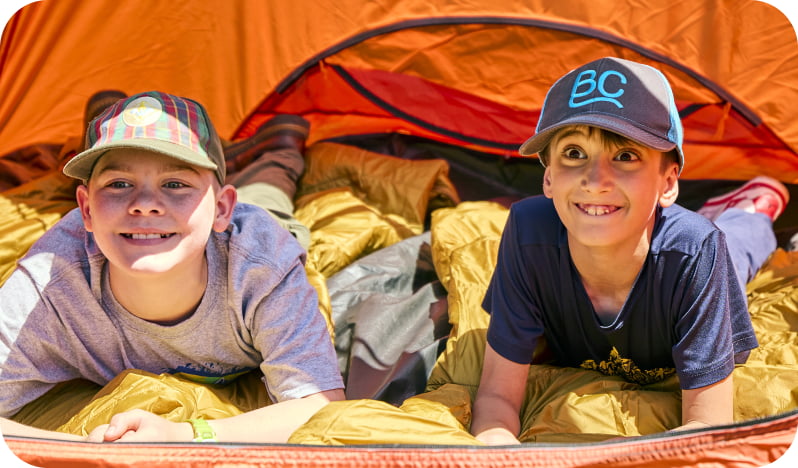
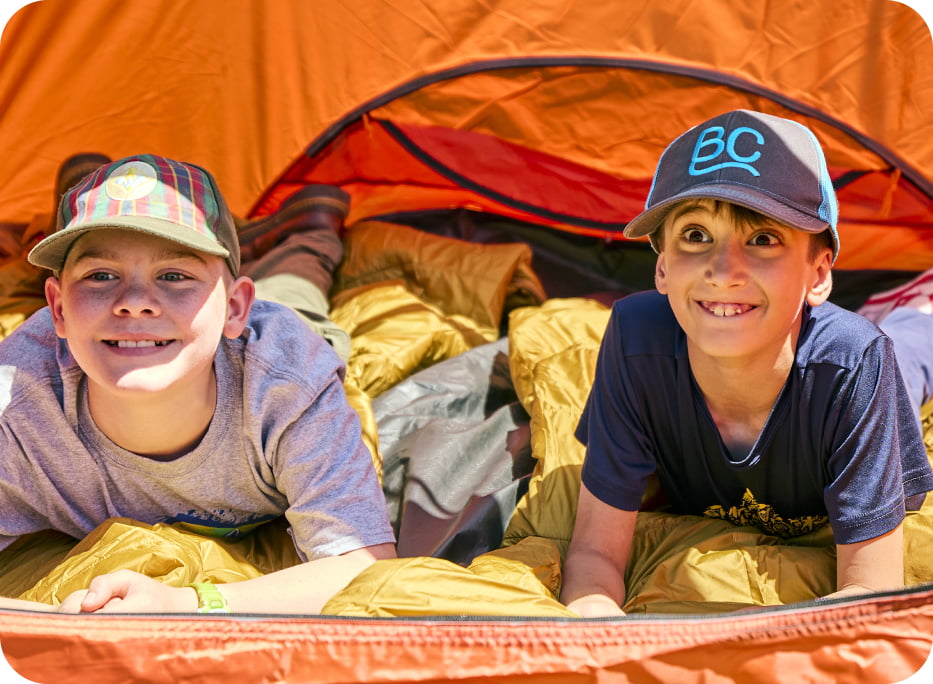
Assessment
Predetermine what guidance and standards are applied to your activity.
Travel – Many accidents happen while traveling to and from the adventure.
- Guide to Safe Scouting – Transportation
- Private Vehicles
– Motor Vehicle and Driver Checklist
– Insurance Coverage
– Driver’s Pledge
Prepared for Emergencies – In the event that something goes wrong, the following should be prepared and brought on the Adventure.
- TAP Emergency Preparedness Plan
- Incident Information Report
- List of Emergency Numbers
Potable Water – Ironically, the most important single item needed for survival is sometimes overlooked. Every Adventure will have different water needs. Consider the following:
- Daily amount of water needed
- Amount of water needed to get to next location
- Available water sources
- Water purification – filter, chemical, boiling, etc.
- Reserve water in case of Emergency
Electronic Devices – GPS, Smart Phones, Location Beacon, etc. are a useful tools for navigation and communication while on an adventure. However, special considerations need to be taken to ensure safety.
- Charging – consider power banks and solar cells to maintain function
- Hard Copies – technology can fail, it is important to have needed information that does not require batteries. Consider the following:
– Printed Topographic Maps
– Compass
– Printed Itinerary, Contact Lists, and Medical Information
– Waterproof Container for back ups
Phone Apps – Many phone apps and websites can be useful during an adventure. Some can be downloaded and do not require cell coverage. Some GPS Receivers allow phone to connect via satellite link.
- First Aid, CPR &Triage
- Maps
- Weather
- Transportation carriers’ websites (for air, bus, train, etc.)
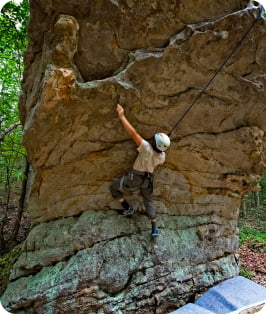
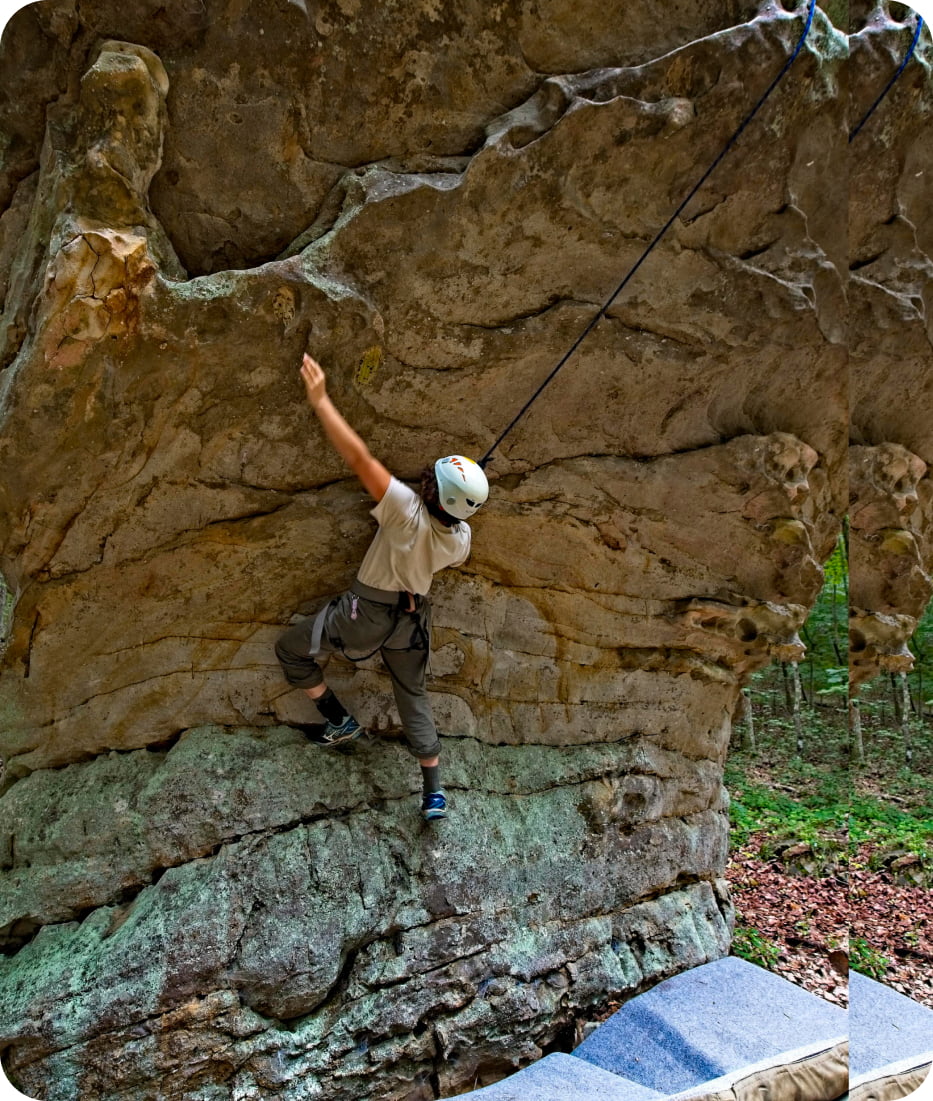
Fitness and Skill
Physical Limitations – Personal Health
- Health Form – every youth and adult need a current
health form - Physical Limitations – Special considerations may be needed for those with physical limitations. Refer to section C on health form
- Physical Conditioning
Valid minimum skills needed to participation in the planning and preparation part of TAP.
Provide training to participants with limited experience before they attempt more advanced skill.
Equipment and Environment
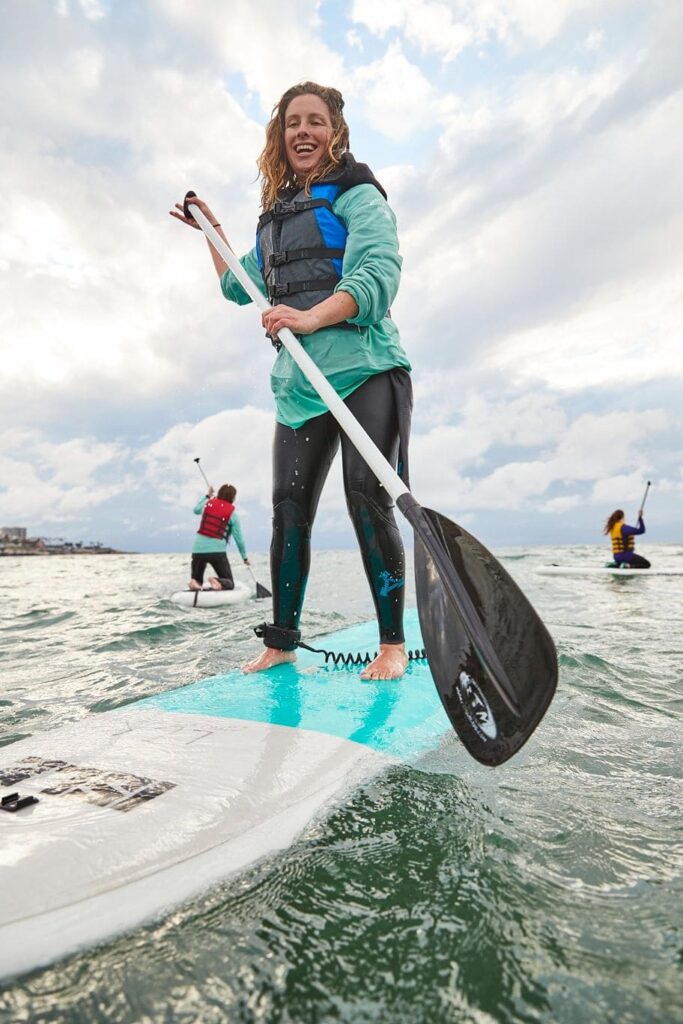
- Confirm appropriate clothing for expected temperatures, sun exposure, weather, etc.
- Ensure equipment is appropriately sized and in good repair.
- Review the activity area / destination for suitability during planning
- Immediately before use – ensure the area is appropriate and safe
- Adjust the Activity as conditions change or end activity if it becomes unsafe