

- All
- Aquatics
- Awards
- Biking
- Camp Staff
- Camping
- Conservation & Environment
- COPE/Climbing
- Cub Scouting
- Fishing
- National Jamboree
- National Outdoor Conference
- NCAP
- Outdoor Ethics/Leave No Trace
- Outdoor Programs - General
- Properties
- Range & Target Activities
- Safety
- Shooting Sports
- Special Needs
- Sponsored Content
- Wheels & Board Sports
Outdoor Ethics/Leave No Trace
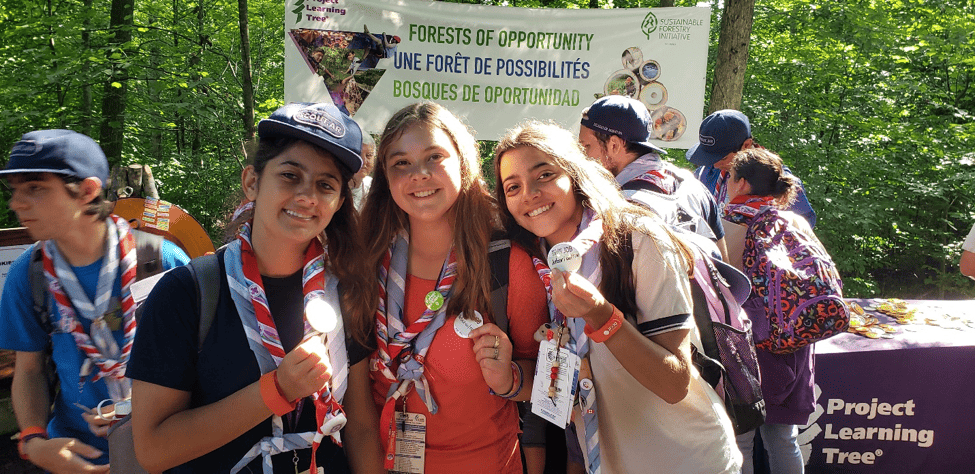
CONSERVATION THROUGH FOREST MANAGEMENT CERTIFICATION. Sustainability is a consideration for today’s council properties. Scouting principles promote responsible use of natural and human resources such as forests, water, land, outdoor ethics, and good stewardship of BSA lands for today and tomorrow. Continuous improvement and measured results are part of a sustainability program. Certification to Sustainable Forestry Initiative® (SFI) Forest Management Standard provides a proof point for responsible – and measurable – management of forest resources.
SFI® is an independent, non-profit organization with a mission to advance sustainability through forest-focused collaborations. Currently over 100,000 acres of both Philmont and the Summit Bechtel Reserve are SFI certified. This means that these properties have conservation plans that are in compliance with the SFI Forest Management Standard that promotes healthy forests.
The SFI Forest Partners Program, which is a partnership between SFI, Meredith, National Geographic, Pearson, Macmillan, Hearst Enterprises and Scouting America have provided assistance for initial certification, including funding for assessments of potential participants’ plans, consulting fees, and initial audit readiness.
To learn more about the Sustainable Forestry Initiative, visit www.sfiprogram.org. To learn more about how SFI is collaborating with BSA, see www.sfiprogram.org/scouts/.
National Jamboree
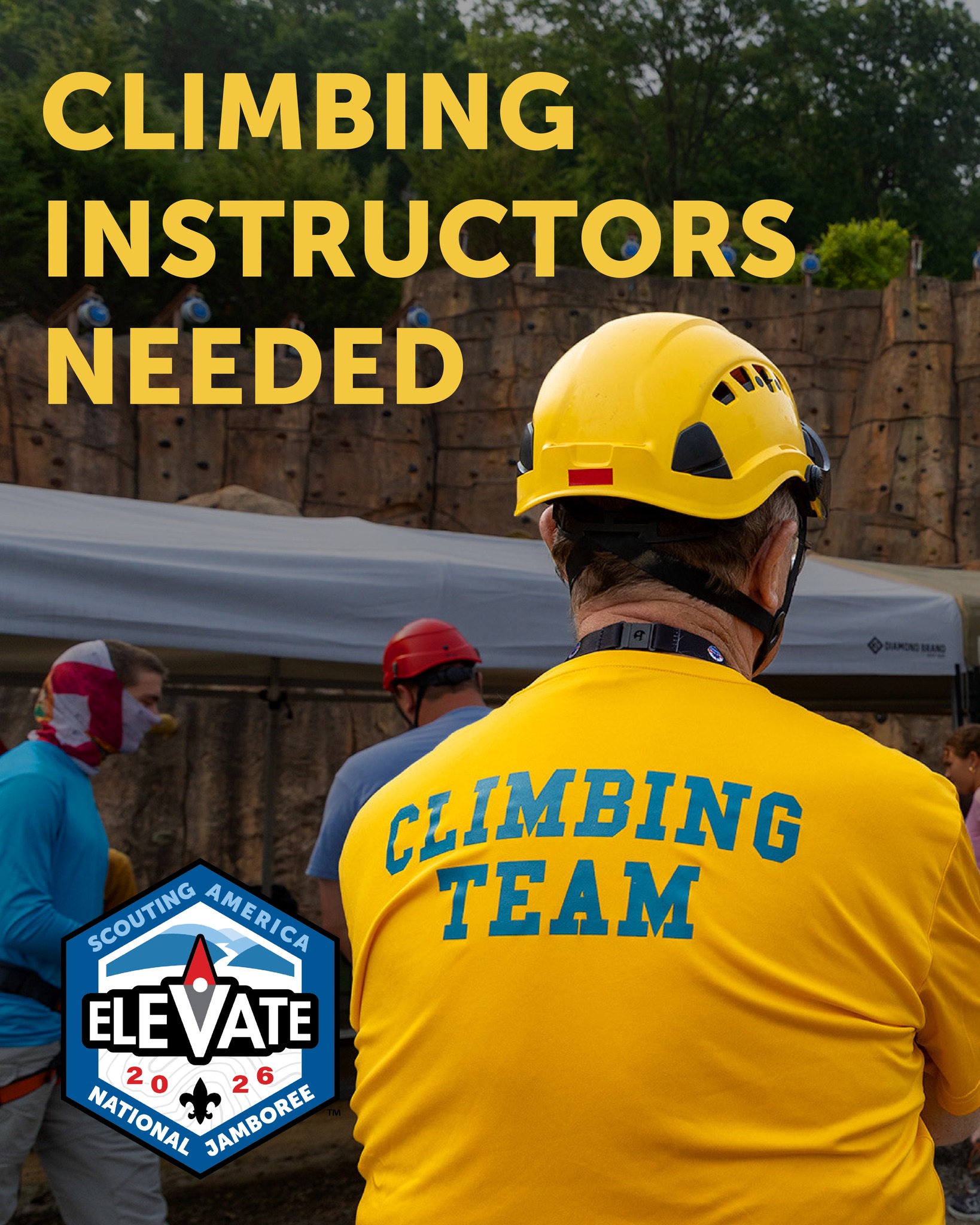
- WHO? Summer camp staff who (a) work at a council summer camp in 2026,(b) will be 16 but not yet 30 by July 21, 2026, and (c) have their camp director’s recommendation or endorsement
- WHAT? The Summit Climbing and Aerial Support Team (CAST) – your chance
to experience Scouting America’s biggest activity – the National
Jamboree – while supporting areas of critical need: the Climbing
and Aerial (Zip, Canopy Tour, and Challenge Course) programs - WHEN? Three options: July 19-31, July 19-26, or July 26-31,
early arrivals possible - WHERE? The Summit Bechtel Reserve:
https://www.summitbsa.org/summitcast/ - WHY? Experience staffing a huge event – Scouting America’s National
Jamboree
Gain a Level 1 certification in Climbing or COPE (ages 18+) and learn
how to run these events safely and at scale
Network with camp staff from around the country and Scouting
America leadership
Extend your summer of Scouting!
Make memories that last a lifetime! - HOW MUCH? This is an unpaid staff position – meals and a special patch are provided in exchange for your service
- HOW? Registration site below:
https://bsasbr.workbrightats.com/jobs/1234044-221695.html

Properties
Operating a Scouting America camp is about more than delivering a great program—it’s about stewardship. Each camp is a long-term investment in youth development, leadership, and outdoor adventure. Protecting that investment requires consistent attention to facilities, safety, and operational discipline. Two essential practices that every camp should prioritize are completing the Camp Facilities Evaluation Tool (CFET) during the summer season and following thorough closing camp procedures at the end of camp.
CFET: Evaluating While Camp Is Alive
The CFET is most valuable when used during peak camp operations. While it may be tempting to complete evaluations before or after the season, those snapshots rarely capture the true impact of full camp usage.
During the summer, camps are at maximum capacity. Trails are heavily traveled, program areas are in constant use, and infrastructure is pushed to its limits. This is when real issues surface. Conducting your CFET during this time allows leadership to:
- See how facilities perform under real Scouting conditions
- Identify safety hazards that only appear with regular use
- Address wear and tear in high-traffic program areas
- Ensure compliance with Scouting America standards
For example, a rifle range backstop or waterfront dock may appear sound in the spring, but only after weeks of program use can staff identify shifting materials, loose boards, or safety concerns. A timely CFET allows those issues to be corrected immediately, protecting both Scouts and staff.
Completing CFET during the summer ensures that Scouts experience a camp that reflects the values of preparedness and responsibility. It also models good stewardship—something every Scout is taught.
The Importance of Closing Camp Procedures
At the end of the season, closing camp properly is just as important as running it well. Camps that are shut down with care are far easier to reopen, safer to maintain, and less costly to operate over time.
Effective closing procedures in a Scouting America camp should include:
- Deep cleaning and securing campsites, lodges, and program areas
- Documenting all maintenance needs identified during CFET and throughout the summer
- Winterizing or properly shutting down water systems, equipment, and utilities
- Storing program materials to prevent damage from weather, rodents, or time
- Conducting final walkthroughs and leadership signoffs
Skipping these steps can lead to preventable issues such as burst pipes, structural damage, equipment loss, or unsafe conditions when camp reopens.
The CFET and closing procedures are not separate tasks—they are part of a continuous cycle of camp improvement.
What you identify during CFET should directly inform your closing process. For instance, if campsite platforms show significant wear, that should be documented, prioritized, and stabilized before winter. If trail erosion is noted, mitigation plans should begin before the off-season worsens the damage.
This approach ensures that each camp season builds on the last, rather than repeating the same problems year after year.
A Scouting America camp is more than a place—it’s a legacy. Completing your CFET during the summer and executing thorough closing procedures ensures that legacy remains strong, safe, and ready for the next generation of Scouts.
Do the work when it matters most, finish the season with intention, and your camp will continue to deliver life-changing experiences for years to come.
Camp Staff
Now that the summer camp season is over, this is the perfect time to review what worked, what created challenges, and what leaders wished they had known sooner. With experiences still fresh, the post-season window is ideal for updating your long-term camp leader guide, so it better supports unit leaders before the next summer begins.
Tip #1: Start With the Big Picture
Open your leader’s guide by clearly setting expectations. A short welcome that explains the purpose of camp, its values, and how the program supports youth development helps leaders understand the why behind the experience, not just the logistics.
Tip #2: Make Planning Information Easy to Find
If leaders must hunt for deadlines or payment details, the guide isn’t doing its job. Clearly outline:
- Reservation and registration processes (including items like merit badge registration for Scouts BSA camps and adventure loops for Cub Scouts)
- Key dates and payment schedules
- Refund policies and financial assistance options
Pro tip: Use checklists or timelines so leaders can see everything at a glance.
Tip #3: Put Health and Safety Front and Center
Health and safety details should never be buried. Make sure your guide clearly spells out:
- Medical form requirements, deadlines and reminders on dietary needs and medication storage.
- Supervision expectations
- Activity prerequisites and emergency procedures
Clear guidance up front prevents last-minute issues and sets leaders up for success.
Tip #4: Explain What Daily Camp Life Looks Like
Leaders and Scouts do better when they know what to expect. Include an overview of:
- Arrival and departure procedures
- Typical daily schedules
- Meals, campsite responsibilities, and visitor policies
This helps units settle in faster and reduces anxiety for first-time campers.
Tip #5: Help Leaders Plan a Balanced Program
A strong leader’s guide doesn’t just list activities it helps leaders make informed choices. Share guidance on:
- Reasonable advancement and activity loads for Scouts
- Additional program costs and how to reserve spots
- Options and recommendations for first-year campers
- Planning ahead for camp-wide games, troop competitions, and special events that require Scout participation and preparation
- Any restrictions, prerequisites, or limits tied to merit badges and other activities, including age requirements, physical demands, or scheduling constraints
- Balancing structured classes, troop time, free time, and camp-wide activities
The goal is a well-rounded experience that allows Scouts to fully participate in the program and not an overbooked schedule that limits flexibility or fun.
Tip #6: Set Clear Expectations for Scout Behavior and Responsibility
Camp is a growth opportunity. Use your guide to reinforce expectations around:
- Personal responsibility and teamwork
- Respectful behavior and camp rules
- Leadership opportunities within the unit
Clear expectations create a positive camp culture for everyone.
Tip #7: Highlight How Leaders Can Get Help
Let leaders know they are not on their own. Clearly explain:
- How to access camp staff support
- When and where leader meetings occur
- How feedback and concerns should be shared
- Volunteer and service opportunities, many leaders bring valuable skills that can support camp operations
When leaders know where to turn, small issues stay small.
Tip #8: Don’t Forget the Parents
A strong leader guide also serves families by providing clear, parent-focused guidance on:
- Packing and spending money: Include examples of items available in the trading post.
- Communication and mail: Clarify whether mail is allowed and which items are permitted or prohibited.
- Missing home and first-time camper support: Offer tips to help families prepare their Scouts.
Tip #9: Learn From Other Councils
You don’t have to reinvent the wheel. Reach out to other councils and camps to see how they structure their leader’s guides, what formats they use, and what information leaders find most helpful. Sharing best practices can spark improvements and elevate the overall quality of your guide.
Tip #10: Use Off-Season to Improve and Align
The most effective leader’s guides are living documents. During the off-season, take time to:
- Get a head start: Summer will be here before you know it.
- Collect feedback: Hear from leaders and staff about what works and what doesn’t.
- Spot trends: Identify recurring questions or common challenges.
- Check for consistency: Ensure branding, images, and terminology align with Scouting America and National Camp standards.
- Update policies and procedures: Confirm they reflect current Scouting America and National Camp Accreditation program standards.
Small adjustments now can save time and prevent dozens of questions when summer arrives.
Your long-term camp leader’s guide isn’t just an information packet; it’s a confidence builder. When it’s clear, organized, and proactive, leaders arrive prepared, Scouts settle in quickly, and camp staff can focus on delivering great program.
At its best, a leader guide does more than outline rules and schedules. It empowers leaders, aligns expectations, and strengthens partnerships between camps, units, and families. When leaders are prepared, Scouts are free to focus on adventure, growth, and creating the memories that make summer camp a cornerstone of the Scouting experience.
Camping
“I do find that there’s a fine balance between preparation and seeing what happens naturally.” – Timothee Chalamet
It’s baaack! A Scouting website that helps Scouts and leaders work through the steps needed to plan most outings or adventures. Known as “The Adventure Plan” or TAP, this site is made up of six steps called Waypoints. These Waypoints guide planners through the many details needed to plan a safe and fun outing as they weigh options, consider logistics, create an itinerary, anticipate challenges that may arise, and reflect on how it went.
Links to Scouting literature throughout the site make finding answers to “how do we…” questions easier to find. Along with a robust Resources section, this new tool is one every Scout and leader needs in their toolkit. Try it as your team organizes your next outing to help your Scouts “Be Prepared.”
Check it out at: https://stg.scouting.org/outdoor-programs/tap/
Special thanks to the National Camping and Trekking Committee for their dedicated efforts to create this user-friendly tool.
National Jamboree
The next National Jamboree will be held July 22-31, 2026, at the Summit Bechtel Reserve in Glen Jean, WV. In case you have not heard, the theme is ELEVATE and this event will ELEVATE your Scouting and will be a life changing experience not just for your Scouts but for you as well.
So what is a Jamboree? It is Scouting’s premiere event where we gather with over 10,000 Scouts and Scouters who come together to celebrate the spirit of Scouting. The Jamboree is a life-changing experience for both youth and adults who attend. The memories and experiences they have last a lifetime. Friends that are made become lifelong companions and the shared experiences are talked about around campfires for years to come.
So you don’t want to miss out on this opportunity as it only comes around every few years. If you miss this one the next one won’t be until 2029.
Here are a few keys to ELEVATE your Jamboree knowledge.
- ELEVATE your community and learn that Scouting is bigger than just my unit. We plan to have an arena show (or two) to gather the entire Jamboree together to celebrate Scouting and have a great time. it is a sight to see everyone together and to help youth to understand that Scouting is bigger than just my unit, district or council. Scouting is all of us and we will showcase this when we bring everyone together.
- ELEVATE your Scouts by helping them come to the Jamboree! The Jamboree, like most things in Scouting, is only successful when we all work together. We need you to help promote the Jamboree to your unit, your district, your council and to your friends. We need you to help fill contingents of youth, so they do not miss this once in a lifetime event. Most Scouts will only have one opportunity to experience a Jamboree as a youth, so make sure that they don’t miss out.
- ELEVATE your Scouting Journey! The Jamboree relies on great volunteers to help us in all aspects of the event. We need people to run programs, help in administration, operations and logistics to name a few. There is a job for you! Like other parts of Scouting if there is something you like to do, you can do it at the Jamboree. So look to be a part of the largest “staff” in Scouting.
- ELEVATE your reach. If you are looking for some resources to help you get the word out, make sure to check out the Brand Center. Here you will find some social media ready photos and videos that you can share. You will also find the Jamboree “ELEVATE” theme logo and brand guidance. Click on this link to take you straight to the Jamboree resources. https://scouting.webdamdb.com/bp/#/folder/13228711/. Go take a look now at the great images, and videos and share a couple on your social channels… I’ll wait…
- ELEVATE your awareness. Now that you have seen (and shared) the videos, you are asking “How do I sign up?” Registration will open this fall, but until then keep up to date by signing up to receive notifications from us by visiting www.jamboree-scouting-org.scoutingorgstg.wpengine.com. Here you will find all the information you need about the Jamboree. Bookmark the site as this will be your main source of information for all things Jamboree. If you did not get a chance to see it, you should also check out the “Trek on Tuesday” where despite some technical difficulties, we shared some great information about the Jamboree. You can find that discussion here. – https://www.youtube.com/live/WOOKLGAp2Cg
The National Jamboree is Scouting premiere event so you definitely do not want to miss it. Make your plans now to participate as a contingent member or on the Jamboree Service Team (Staff). This will be our first Jamboree as Scouting America and you can’t say you have been to every Scouting America Jamboree if you miss the first one! Keep watching for more information and to get signed up.
NCAP
It’s that time of year again to change the calendar and share that the 2026 National Camp Accreditation Program (NCAP) Standards are here! Each year, the NCAP Committee collaborates with subject matter experts to carefully review and update these standards, ensuring they remain current, practical, and aligned with the values of Scouting America.
Every participant who attends a camp program expects an experience that is both safe and high-quality. Scouting America takes great pride in offering these programs, but maintaining our reputation for excellence takes all of us. Through NCAP, councils and camps can confirm they are meeting or exceeding the standards that uphold Scouting’s brand and mission.
It’s important to remember that the standards aren’t a list of new rules. Instead, they serve as a framework for support and are a resource designed to help staff locate guidance quickly and connect with the right documentation or experts when needed.
So, who should review the new standards? In short, everyone who is involved in camp operations. Whether you support day camps, short-term camps, or long-term camps, take time to read through the sections that apply to your area. The more familiar your team becomes with these expectations, the stronger and more confident your program will be.
You can access the full set of standards and related resources at stg.scouting.org/ncap. Download a copy, learn more about the assessment process, and explore how you can contribute to continuous improvement. On this page you will also find the latest “NCAP circular” which will discuss the changes for 2026 and the reasoning behind the changes.
Together, we can make the Scouting experience even more impactful, because safety, quality, and growth start with all of us.
Fishing
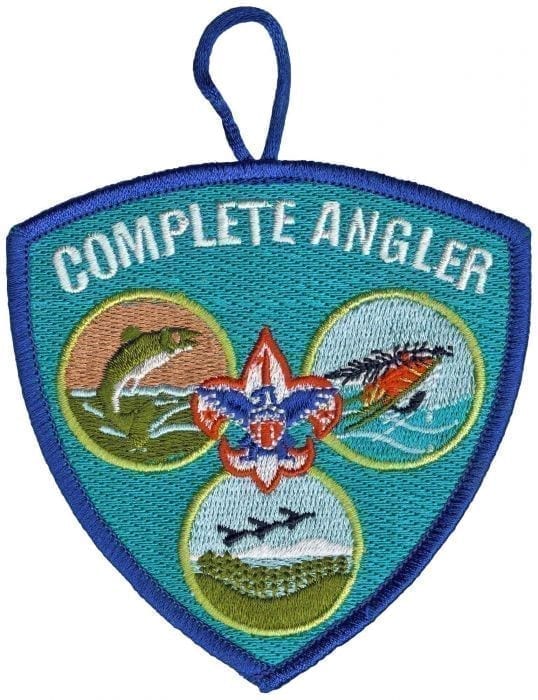
Scouting America’s Complete Angler Award honors Scouts who earn all three fishing-related merit badges: Fishing, Fly-Fishing, and Fish & Wildlife Management.
Fishing Merit Badge was one of the original merit badges and over two million have earned it. In a recent Boys’ Life survey, fishing placed 4th overall as the preferred outdoor activity, surpassed only by camping, swimming and bicycling. What better way to keep older Scouts involved than by expanding on this trend.
After completing the Complete Angler Recognition, these older Scouts can become mentors for younger Scouts, sharing their knowledge and helping others to enjoy a positive fishing experience.
To become eligible for the award, earn these three merit badges: Fishing, Fly-Fishing, and Fish and Wildlife Management.
Then complete one or more of the following projects:
- Teach a Fishing or Fly-Fishing merit badge skill to your troop, crew or team as part of a unit program activity.
- Help instruct Cub Scouts on fishing skills or fishery management as part of a Cub Scout meeting or outing.
- Participate in a local fishing derby or tournament, either a Scouting or Community event.
- Complete a conservation project that will benefit a local fishery.
Upon completion, this recognition is available for order at your local Scout shop.
Resources:
Complete Angler Recognition Form
https://filestore.scouting.org/filestore/Outdoor%20Program/pdf/Complete_Angler_Recognition.pdf
National Outdoor Conference
Thank You for Joining Us at the Scouting America National Outdoor Conference
We are deeply grateful to everyone who participated in the Scouting America National Outdoor Conference. With an incredible turnout of 407 participants representing 113 different councils, your enthusiasm and commitment made this event truly special.
We began the week talking about our connectedness and support for one another like the Coastal Redwoods by locking our arms together in a show of support. We then took a trip through your council camp and your staff to the tour of high adventure bases and the top of Kilimanjaro and then a long journey along the Appalachian trail. Through it all we worked to meet our conference theme of “Rooted in the Outdoors, Scouting’s Path Forward”.
This year’s conference featured 114 different electives, providing a wide range of hands-on learning opportunities that empowered all the camp leaders in attendance. The three outstanding general sessions were highlights of the event, especially the unforgettable Friday night presentation by Jennifer Pharr Davis. Jennifer captivated us with her inspiring stories about hiking and running the Appalachian Trail, including her remarkable record-setting run, completing the trail in just 46 days.
We also want to extend our sincere thanks to the 29 vendors and sponsors who supported the event, with special gratitude to our title sponsor, Black Pug Software, whose partnership helped make this gathering a great success.
From workshops to keynote sessions, each experience was enriched by your energy and passion. Thank you for making the time to be with us, for engaging fully in every moment, and for supporting the mission of Scouting America. Your dedication strengthens our community and inspires us to remain “Rooted in the Outdoors” as we move Scouting forward.
We look forward to seeing you at our upcoming events and continuing this journey together. Plan now for joining us in September of 2027 for the next National Outdoor Conference. Until then, keep exploring and stay connected!

NCAP
In 2013, Scouting America implemented the National Camp Accreditation Program (NCAP). NCAP was established to help councils elevate camps to new levels of excellence in delivering Scouting’s promise to youth. Since then, Councils have engaged in rigorous reviews of their camps and properties, challenged to have continuous improvement plans, while also reviewing their facilities and programs to eliminate any substandard practices.
The Outdoor Programs & Properties Team sat down with Steve Phillips, the National NCAP Committee Authorization Chair to talk about NCAP, explain the authorization process and why this first step may be the hardest but how it helps the council.
Outdoor Programs & Properties: So, what does “authorization” really mean to a local council?
Steve: Well, first let’s try to clear up a confusing word – and that word is camp. In Scouting America, camp can refer to a property, or to the program that is being conducted. So, because of this, Scouting America states that for a Scouting America Council to operate a camp, meaning the property or the program, they must be authorized to do this. When a council completes the NCAP Authorization, they are given authority to use Scouting America’s brand, operate Scouting America programs, and use Scouting America insurance for official Scouting America programs.
Outdoor Programs & Properties: So, are you saying the NCAP authorization gives a council the ability to operate all camps and programs?
Steve: Each council’s NCAP authorization will list the camp properties that they operate, and what types of camp programs they offer at that property. The property will then specifically be authorized to operate unit camping, day camps, short-term camps, and long-term camps on each camp property.
Through the national NCPA authorization, a council will also be authorized to locally “authorize” their council’s day camps and short-term camps throughout the council.
Outdoor Programs & Properties: What is all involved in the authorization and what are you looking for?
Steve: The actual authorization process starts with the “Analysis” step. During this step, the council will complete numerous documents looking at their properties and camp(s) through various lenses. They will gather the attendance and financial information on both the council, and the specific camp properties. They will also look at the facilities and the programs, which will assist them in creating plans for improvement. This planning stage is a key component to the overall authorization process by assisting the council in creating a year-by-year plan of improvement.
Outdoor Programs & Properties: Once the council gathers this information, what is the next step?
Steve: The next step is to share the data with their council’s leadership. By this I mean that the information that is gathered is only as good as what it is used for. The gathering of this data helps “paint a picture” of the property, its camps and how they effect the council. The board members may not always be able to get to the camp, this is an important way to bring camp to the board! Share the pictures of the camps, let them see what they have so that when the camp needs support or improvements, they have a better picture of why.
Also show how the camp(s) are doing financially. A lot of councils have found that they were subsidizing some of their camps, or all of them by a lot more than they realized. Once the board knows the true picture, then they can help solve the challenges. The final step of an authorization process is to have the board approve the authorization application. The application is then submitted to the National NCAP Committee.
Outdoor Programs & Properties: After the application is turned in, then what happens?
Steve: The National NCAP Authorization team has a team of trained volunteers, called authorization reviewers, that review the applications, evaluate the information provided and then write up the official “Authorization to Operate”. This authorization will include what types of camp programs are approved, while also identifying if there are any items that are needing to be looked at or done by the council. Then the documents are reviewed by a national staff member a final time to make certain that the reviewer did not miss anything and to make certain that it is a fair evaluation. The council is then sent the documents for them to sign and agree too.
Outdoor Programs & Properties: How many councils go through this process yearly?
Steve: Scouting America has about 250 councils and there are about 50 councils a year that complete this process. The authorizations are for 5 years so we try to level out the numbers to keep the process running smoothly.
Outdoor Programs & Properties: Is there anything else you would like everyone to know?
Steve: The NCAP Team realizes that there is a lot of time and energy that is put into the authorization, but we hope that everyone understands that the process is designed to benefit the council and their strategic planning. There are a lot of councils that have looked at their data and realized that they were not doing as well as they thought they were doing. There were expenses that they never took into consideration when looking at the bottom line. Through seeing these “challenges”, some councils have changed the way that they were doing things to make camp at least balance financially if not creating a revenue. They also started looked at the facilities with a different set of eyes. The authorization process is a crucial tool in the NCAP toolbox!
Camping / NCAP
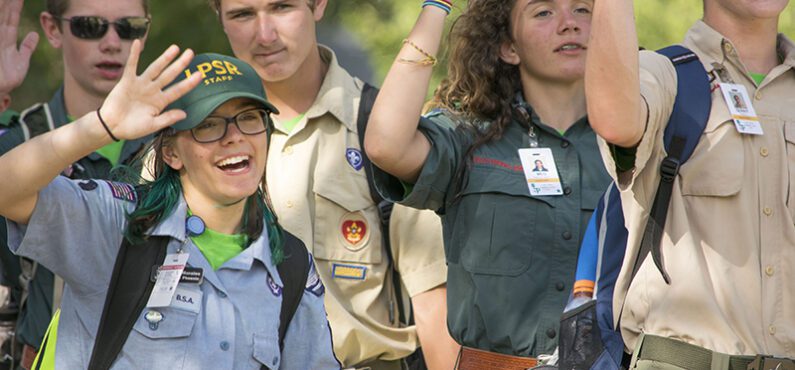
As camp begins to wind down for most of us and we begin to think about closing procedures and closing inventories, one thing we need to focus on is our camp staff.
Camp staff can be some of the best and most vocal advocates for our camps and can be the best promoters of our camping programs. So how do we keep them engaged and involved year-round? And how can we leverage the feelings and energy they possess now to springboard us into the next season? Let’s explore some “secrets” to keeping camp staff involved and engaged.
- Do an inventory of staff before they leave camp. Have you asked them if they plan to return next season? It is not too soon to begin collecting applications and commitments now. Especially for those staff whom you know you are going to build upon for the next season. If you didn’t ask before they left, send them an email now! Tell them THANKS and encourage them to apply.
- What is your plan for next season? Have you developed your needs list today? Do you know of a staff member who you will need to replace? Have you looked toward your “bench” to see who is the next staff member that you want to develop and move into a leadership role? Get them committed today and offer them opportunities to get some additional training that will benefit you and your camp.
- Invite them to help you on a year-round basis. Most of our camps offer some programs on a weekend during the rest of the year and not just summer camp season. While some of our staff are away at school, but do they have your calendar of events for when they are home on a break or just want to get away from campus for a weekend? Share your program calendar and weekend needs. Several of our staff live close to camp and would love a way to connect with camp during the “off season” (and of course would not turn down a little cash to come out for a weekend and help run some of your activities). While you may not be able to pay, maybe you can work out some other option for them to come and help. Free food or some gas money go a long way to getting some help. BONUS: This is a part of NCAP standard RP-851.
- Have you invited them to visit or work for another camp? WAIT WHAT? You want me to send my staff to someone else? YES! One great way to show your staff you care about them and want the best for them is to help them earn some extra dollars during the summer. If you can’t offer a full summer season, connect them with another camp that starts when yours ends so that they can use those skills to help someone else. While this sounds counterintuitive, it will help them build loyalty to you and your camp as someone who cares about them and wants the best for them.
- Help them with a resume. Have you spoken to your staff about the marketable skills that they learn on camp staff? Set a time to meet with your staff and help them develop a resume stating the leadership opportunity they had or the budget management as a part of their role. Maybe they were in charge or inventory controls or cash handling. These skills translate to jobs outside of camp. Make sure they have you listed as a reference as well! For some great resources on this visit the American Camp Association (ACA) Project Real Job website. Here you will find some resources to help you and them in the process.
- Consider attending the ACA virtual staffing summit in October. This virtual event will help you get some practical solutions around addressing staffing shortages, and ways to recruit staff and best practices for staff retention. For information and to register visit the 2024 ACA staffing summit website.
- Host some events. There is no better way to keep the enthusiasm and camaraderie of camp going than to get the staff back together. Can you host a holiday party or a Labor Day reunion? Can you do something in the spring to help get camp ready or a work day at camp. The key is to have several opportunities to engage and keep them talking about camp year-round. This needs to be more than just when you send them the application for 2025. Send them a calendar of events so they can work it into their busy schedules now.
- Engage your alumni committee to host a networking event. Many of your camp staff alumni may be business leaders in your community. Reach out to them to host a networking event for your camp staff members. This is a great way for camp staff to connect with one another, but also to learn more about the industry they may want to be a part of. (BONUS – it keeps your past staff members involved as well).
- Begin promotion now. Once you take inventory of your camp needs, begin working now to promote these jobs and get on the recruiting trail. Connect with your staff who are in clubs at school and seek opportunities to meet those clubs and members. Share your job postings on the Scoutlife Jobs posting page.
- Be creative. You know your staff best. What can you do to keep in contact with them? Send a birthday card or special occasion card or simply a note to say you are thinking about them during exam time or the big game. Relationships are the key to keeping them and keeping them engaged.
Our camp staff are our greatest resource, and like all resources, they require care and maintenance to achieve the best results. Hope you can find some of these useful and that you can keep your staff engaged year-round, fostering a committed and enthusiastic team ready for the next camp season. Let’s keep our camp staff connected, to help them and camp be successful. Have an idea to share? Email it to outdoorprograms@scouting.org and we will share it in future articles on this subject!

Safety
The Council Health Supervisor (CHS) is a pivotal figure within Scouting America, dedicated to safeguarding the health and safety of Scouts, leaders, and volunteers. While the position is often confused with the Camp Health Officer, this article shares the responsibilities, qualifications, and contributions of this essential role, shedding light on how the CHS ensures a safe and supportive environment for local councils.
Who is a Council Health Supervisor?
The CHS is a licensed physician who serves as the local council’s primary medical advisor, providing expertise and guidance on all health-related matters. This individual is also a registered Scouter trained in Youth Protection, ensuring a deep understanding of the unique needs and challenges faced by the Scouting community.
Qualifications of a Council Health Supervisor
To fulfill their responsibilities effectively, the CHS must:
- Be licensed to practice medicine in the state(s) where the council operates.
- Hold expertise relevant to camp and youth health and safety.
- Collaborate with other medical professionals when council programs span multiple states.
Core Responsibilities
The Council Health Supervisor plays a multifaceted role, encompassing oversight, education, and strategic input. Some key responsibilities include:
- Health Oversight and Risk Management
- Serves on the council’s Enterprise Risk Management (ERM) or Health and Safety Committee.
- Oversees camp health lodge operations and ensures compliance with national camp standards.
- Assists with reviewing the Council Medical Care Policies Manual each year (NCAP HS-505).
- Writes and approves the camp’s on-site treatment procedures or standing orders (NCAP HS-506).
- Reviews camp First Aid Logs and provides actionable feedback to improve care practices.
- Incident Reporting and Policy Approval
- Works with the council’s ERM committee to ensure health and safety incidents are properly reported.
- Reviews and approves medication processes and standing orders required by camp standards.
- Education and Training
- Assists in training and orienting health lodge staff.
- Provides health education on topics such as first aid, CPR/AED, and wilderness first aid to Scouts and leaders.
- Medical Guidance and Criteria Development
- Advise on medical guidelines for high-adventure activities and other programs where participant health may pose risks.
- Reviews medical records for participants attending national events to ensure compliance with health standards.
- Local Council Support
- Convenes and leads meetings on communicable disease management.
- Assists in interpreting and implementing national health guidelines as they relate to the local council.
- Develops medical communications for leaders, parents, and media as needed.
The CHS’s Impact on Scouting
By providing expert medical guidance, the Council Health Supervisor enhances the safety and preparedness of local councils. Their work helps to mitigate risks, ensure compliance with national standards, and foster a culture of health awareness within Scouting.
Through their collaboration with council leaders, the CHS plays a crucial role in shaping policies that protect Scouts, leaders, and volunteers, ensuring that every participant can thrive in a safe and supportive environment.
The Council Health Supervisor is more than a medical advisor; they are a cornerstone of the Scouting community’s commitment to health and safety. Their expertise and dedication ensure that local councils can deliver transformative experiences to youth while upholding the highest standards of care.
Email blast!
Email blast!