

- All
- Aquatics
- Awards
- Biking
- Camp Staff
- Camping
- Conservation & Environment
- COPE/Climbing
- Cub Scouting
- Fishing
- National Jamboree
- National Outdoor Conference
- NCAP
- Outdoor Ethics/Leave No Trace
- Outdoor Programs - General
- Properties
- Range & Target Activities
- Safety
- Shooting Sports
- Special Needs
- Sponsored Content
- Wheels & Board Sports
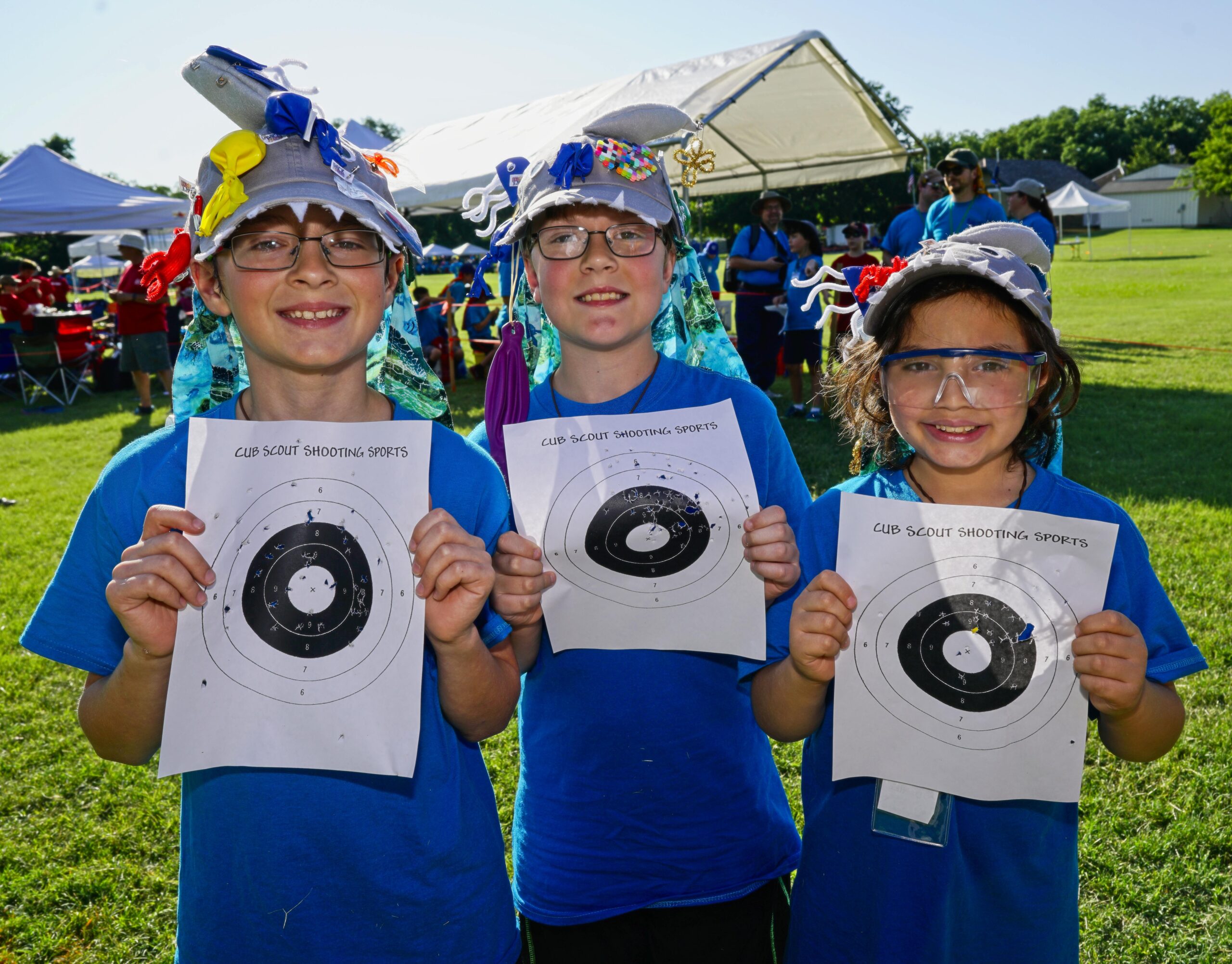
Range & Target Activities
Effective January 1, 2026, Scouting America implemented the updated Range and Target Activities Manual. This revision reflects our ongoing commitment to safety, clarity, and providing engaging, age-appropriate program opportunities that meet the needs of today’s Scouts and leaders. You can find the new manual at https://stg.scouting.org/outdoor-programs/range-activities/
The update includes several important changes with the most notable being the addition of Atlatl as an approved program offering and the removal of the multigun airsoft program. Alongside these updates, the manual also incorporates a few other clarifications based on questions and feedback received from councils and volunteers across the country.
Thanks to the work of the National Range and Target Activities Committee, one of the most exciting updates in the 2026 manual is the addition of Atlatl to camp programs for Scouts BSA and older youth. Councils and camps looking to diversify their range and target offerings will find Atlatl to be an accessible and engaging addition to the camp program.
Guidance within the updated manual provides clear direction on equipment standards, range setup, supervision, and instruction that must be followed to add Atlatl to the camp program.
As part of this update, the multigun airsoft program has been removed from the Range and Target Activities Manual. This change reflects a careful evaluation of program consistency, operational complexity, and feedback from the field.
It is important to note that this decision does not diminish the value of airsoft experiences overall outside of Scouting. Rather, it removes a program that cannot be delivered through our current program standards. Councils are encouraged to focus on the many remaining range and target offerings that continue to provide exciting and meaningful experiences for Scouts.
Councils and camps are encouraged to review the updated Range and Target Activities Manual as you plan camping opportunities in 2026. As always, our goal is to support safe, engaging, and memorable experiences for every Scout. This updated manual reflects that commitment while offering new opportunities like Atlatl that help our programs remain relevant.
We look forward to seeing how councils and camps bring these updates to life in 2026 and beyond.
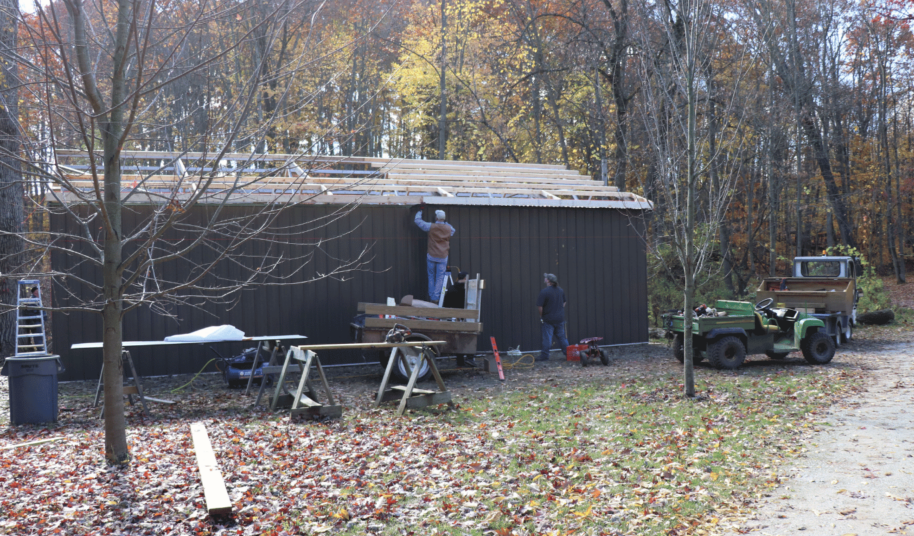
Properties
Maintaining a Scout camp property involves various challenges that can affect the bottom line of the camp and your local council. Here are three common myths about maintenance that can hurt your camp and council’s financial health:
Myth 1: Maintenance Is Only Necessary When Something Breaks
Reality: Waiting for things to break can lead to costly repairs and downtime. Preventive maintenance, such as regular inspections and servicing, can help identify and address issues before they become major problems. This approach can save your camp money in the long run by reducing the need for extensive repairs and ensuring that facilities are safe and functional. This is one of the reasons the NCAP standards include a pre and post camp inspection – so you can proactively prepare for camp.
Myth 2: Outsourcing Maintenance Is Always More Expensive
Reality: While outsourcing maintenance may seem more costly upfront, it can save money in the long term. Professional maintenance providers often have specialized knowledge and equipment that can lead to more efficient and effective repairs. Additionally, outsourcing allows your camp staff to focus on their core responsibilities, leading to increased productivity and potentially reducing overall costs. It is important to budget for additional maintenance support to supplement the knowledge and skillset of your on-site camp ranger. Your camp ranger(s) has many responsibilities and may need additional help to prepare camp to open.
Myth 3: Cutting Maintenance Costs Is a Good Way to Save Money
Reality: While cutting maintenance costs may seem like a quick way to save money, it can end up costing your camp more in the long run. Neglecting maintenance can lead to equipment failures, safety hazards, and a decrease in property value. Investing in regular maintenance can help your camp avoid costly repairs and ensure that facilities remain in good condition for years to come. Owning a camp (or multiple camps!) is not easy and funding maintenance is critical to managing these assets. Ensure that your maintenance budget reflects the needs of your specific camp(s). Start by estimating the annual costs for routine maintenance tasks such as groundskeeping, building repairs, and equipment servicing. Consider factors such as the age and condition of your facilities, as well as any upcoming maintenance projects. It’s also wise to budget for unexpected repairs or emergencies. Leverage the NCAP tools (such as the CFET and CCIP) to help you predict and plan for maintenance costs. Finally, utilizing the FIIX software can help you plan for your annual maintenance costs accurately. For details on FIIX, email andrea.watson@scouting.org.
In conclusion, maintaining a Scout camp property is essential for its long-term success. By dispelling these maintenance myths and investing in regular upkeep, your camp can save money, ensure safety, and provide a positive experience for campers and staff alike.
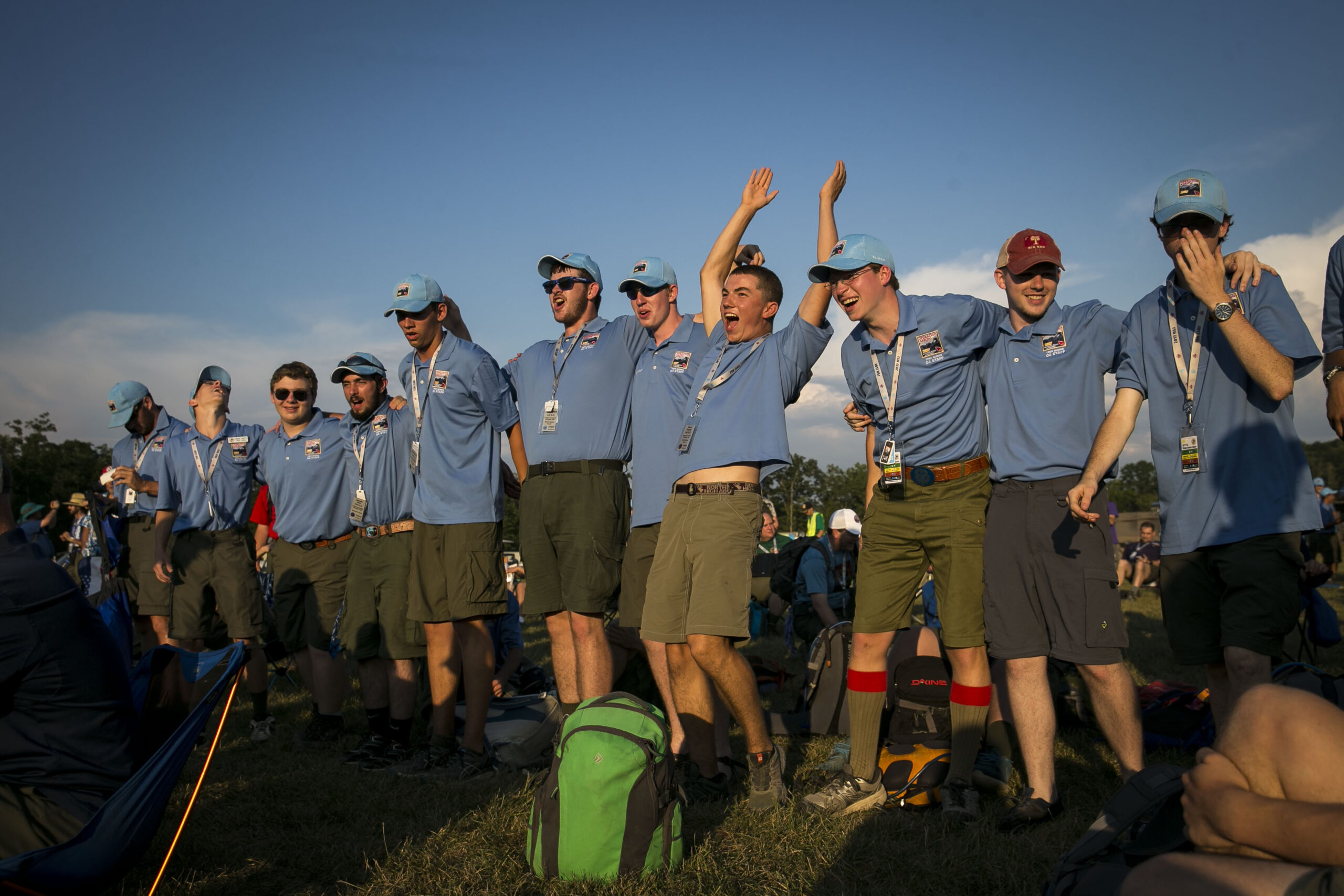
Camp Staff
One of the many things that distinguish Scouting from other youth organizations is the amount of training available to help our volunteers and professionals fill their roles. That is the good news. However, the challenge can often be finding the right training to support your team’s ongoing growth. In addition, training can be expensive, far away, scheduled inconveniently, or lack quality.
As much as you can help your people navigate those challenges and access the training that builds their skills, a minor investment in the right training can reap major benefits to your program’s quality and in your team’s loyalty. Your dedication to helping them get where they want to go gives your team a reason to stay. This is true for camp staff, district/council volunteers, and professionals.
Where can you find this training?
Inside Scouting:
- Monthly Outdoor Programs Webinars: Join us for camping topics and program updates. Also find past recorded presentations on many outdoor program topics.
- National Camping Schools: good for council outdoor committee leaders (think climbing, range and target, aquatics, conservation/ecology), up and coming camp staff leaders, and current camp staff leaders. Builds skills, creates depth, coverage, and succession plan for hard to fill roles. Gives council leadership “inside perspective” to camping operations.
- National Outdoor Conference (every other year): provides sessions on topics impacting outdoor activities in Scouting with top-notch national speakers. Introduces new programs and is a great networking opportunity with Scouting’s national committees and prospective vendors.
- For Camp Staff at least 18 years old: Climbing Level 1, Introduction to Outdoor Leadership Skills (think new camp commissioners)
- For Camp Staff not yet 18 years old: NYLT, Angling Educator and Certified Angling Instructor.
Outside Organizations*:
- American Camping Association (ACA): Regional and National Conferences held annually bring together speakers on topics urgent to the camping industry. These are also solid networking and vendor vetting opportunities.
- American Red Cross: Lifeguard training, First Aid/CPR, Wilderness First Aid/First Responder, and Wilderness EMT
- Leave No Trace: (Under 18) Leave No Trace skills and LNT trainer, (18+) Leave No Trace Instructor (Level 1 and 2)
- Mental Health First Aid training: (18+) Basic preparation to support youth and adults having mental health issues
- National Rifle Association: (Under 18) Basic shooting courses, Apprentice Instructor. (18+) Assistant Instructor
*Note: Many Scout councils offer these trainings utilizing Scouting volunteers and partnerships with these outside organizations.
Other:
Outdoor retailers such as REI Co-op and Bass Pro Shop offer various courses from bike repair, to orienteering, wilderness survival, and more. Check websites for topics/dates.
Private training organizations offer outdoor skills courses helpful to summer camp staff and leaders. Examples include:
Do you have a “go-to” training experience that has helped your team? Let us know at OutdoorPrograms@scouting.org.
NCAP
As the countdown to camp season begins, camp directors shoulder the responsibility of ensuring their staff are well-prepared to deliver exceptional experiences for our Scouts who will attend. Developing and implementing a great training plan is the cornerstone of success, tailored to the unique demands of each camp type. Let’s take a moment to explore the essential components of staff training for long-term camps, and day camps, accompanied by practical checklists to streamline the preparation process.
For All Long-Term Camps and Day Camps: Before delving into camp-specific requirements, it’s vital to establish a foundation of universal training elements applicable to both of these camp types. Here’s a checklist of training that apply to all:
Youth Protection Training:
- All staff complete before or at camp before camp begins online.
- Renew every two years.
- ACTION ITEM: Collect copies of Youth Protection training for all staff. (Could be done in advance of camp!)
Understanding and Preventing Youth-on-Youth Abuse Training:
- Completed during staff training in-person.
- Renew annually.
- ACTION ITEM: Add to written staff training plan
- ACTION ITEM: Collect copies of training certificates for all staff or use a sign in roster on a training record.
Staff First-Aid Training:
- Ensure at least 50% of staff are certified.
- Maintain a ratio of 1:25 trained staff to campers.
- ACTION ITEM: Collect certifications from Staff. (Could be done in advance of camp!)
Hazardous Weather Training:
- All staff complete online.
- Renew every two years.
- ACTION ITEM: Collect copies of training certificates for all staff. (Could be done in advance of camp!)
In addition, for Day Camps: Day camps are a unique camp type, necessitating specific training adaptations. Here’s a checklist to tailor your training plan for day camp staff:
- Minimum of four to eight hours of training before camp.
- Follow agendas outlined in Day Camp Administration Guide or Cub Scout Day Camp Staff Training Guide.
- Implement Workplace Harassment Prevention Training specifically for paid staff (available online only).
- ACTION ITEM: Retain copies of Workplace Harassment Prevention Training certificates on-site and at the council office (if applicable).
For Long-Term Camps: Long-term camps demand a more comprehensive training approach and encompass extended durations and specialized skill sets. Here’s a checklist to elevate your staff training for long-term camps:
- Provide a minimum of 28 hours of staff training.
- Incorporate program-specific outlines.
- Allocate 10 extra hours of training for each additional type of long-term camp. (i.e. Cub Scout, Scouts BSA or Venturing)
- Supervise training with personnel trained at National Camping School.
- ACTION ITEM: Develop a staff training plan showing 28 hours of training (above and beyond physical set up of camp). The NCAP assessment team will need to see this plan and it can be submitted with your Declaration of Readiness.
Multiple Program offerings. Facilitating seamless integration between staff members transitioning across different camp types is essential for maintaining consistency and quality. Here’s a checklist to promote staff moving from one camp program type to another:
- Brief staff on program guidance and program delivery for each camp type.
- Develop program plans for each program activity in each program type using the age-appropriate guidelines.
- Address differences in program groups, including gender- and age-related issues.
While this list is not all the things you need to do to train your staff it will give you a good starting point in developing your staff training plan. Remember that your plan needs to be in writing and approved by the appropriate council committees.
As camp director, your commitment to staff training sets the stage for a memorable and enriching camp experience for all. By leveraging these checklists and tailoring your training plan to suit the specific needs of each camp type, you empower your staff to excel in their roles, ensuring camper safety, growth, and enjoyment throughout the season. With careful preparation and attention to detail, you can embark on the upcoming camp season with confidence and enthusiasm.
Resources: For more information on staff training see NCAP standard SQ-402. Additional information and staff training guidance for long-term camp can also be found in the upcoming revised Camp Staff Training Guide which will be released at the end of April 2024.
Camping / Cub Scouting
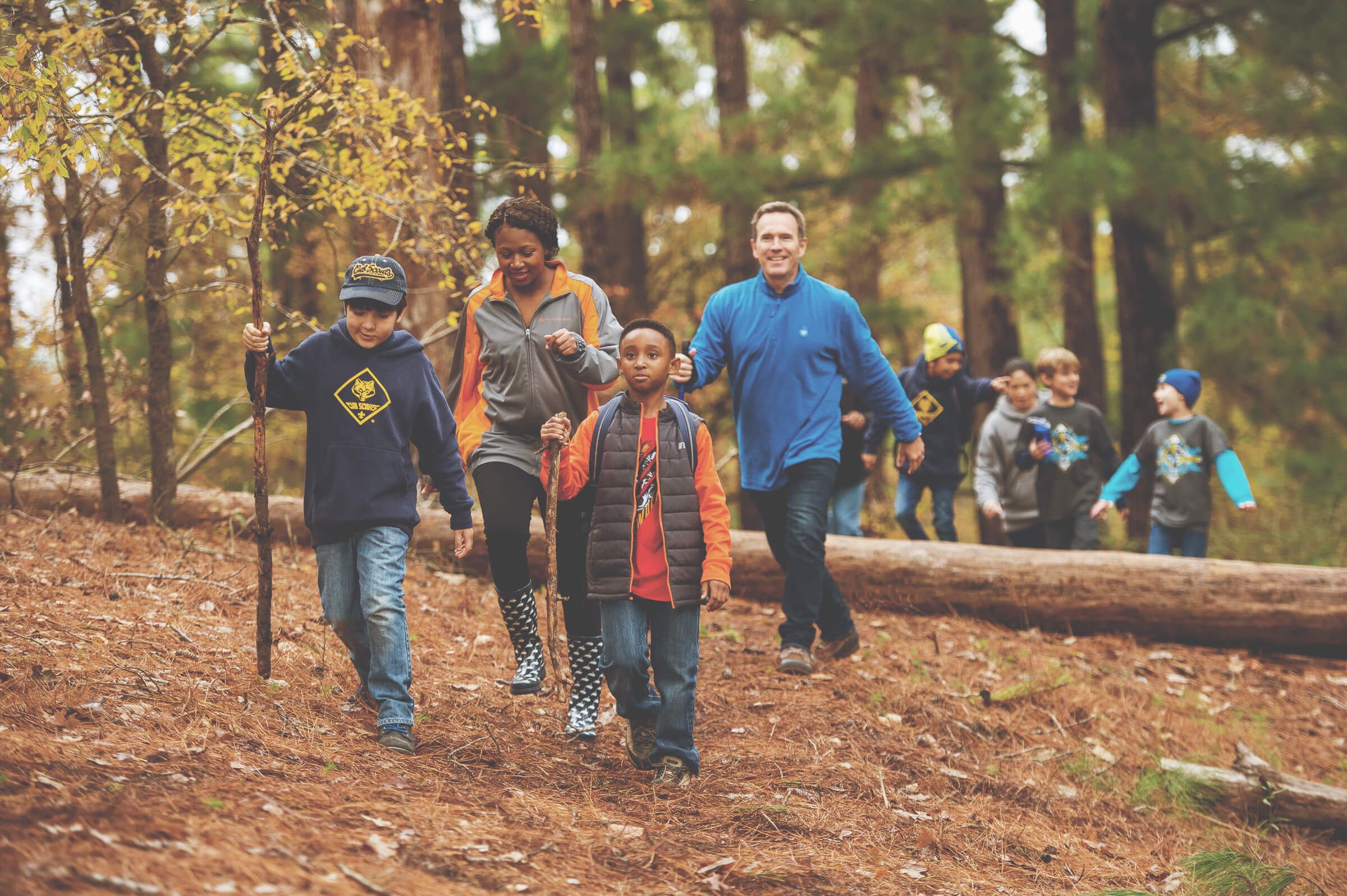
Camping is one of the most effective and engaging tools for recruiting new Cub Scouts. It offers a hands-on, immersive experience that highlights the fun, adventure, and core values of Scouting which is something that’s hard to replicate in a church basement or meeting room. Whether it’s a day camp, pack campout, district family weekend, or something else, camp provides a dynamic gateway into the Scouting movement.
Here are key ways to turn camp into a powerful recruitment engine:
- Invite Non-Scouts
Encourage current Cub Scouts to bring friends to camp events. A “bring-a-buddy” approach is a fun and effective way to introduce new families to the program.
- Showcase the Program in Action
Use camp activities to demonstrate Scouting’s values. Let prospective Scouts and their families see the Scout Oath and Law in real-life situations.
- Engage Parents
Camps provide a welcoming environment for leaders to answer questions, share stories, and build trust with new families.
- Create a Welcoming Atmosphere
Train staff and volunteers to be inclusive, enthusiastic, and friendly. A warm welcome can make all the difference in helping new families feel at home.
Scouting America’s camps and properties are among its greatest assets. These outdoor spaces offer immersive, high-energy environments that showcase the very best of the Cub Scouting experience. Here are 15 practical, proven, and creative ways councils and units can use these facilities to recruit new families:
- Host “Bring-a-Buddy” Day Camps or short-term camps
- Create Family Camp Weekends for Newcomers
- Use Camps as Open Houses
- Offer Seasonal Camps (Fall Fest, Winter Wonderland, Spring Bash)
- Partner with Local Organizations
- Create “Cub Scout Starter Camps”
- Incorporate Service Projects for Youth
- Host Parent Info Nights at Campfire Rings
- Use Long term Camps as a Sneak Peek
- Promote Camps as “Tech-Free Adventure Zones”
- Showcase Your Camp Year-Round on Social Media
- Offer Scout-for-a-Day Patches
- Include Registration Stations at Events
- Feature Scout Testimonials and Family Stories
- Invite Local Media to Cover Camp Events
Camp is more than just a fun outing, it’s a strategic opportunity to grow Scouting. By offering engaging, family-friendly outdoor experiences, camps can inspire new families to join and stay involved in Cub Scouting for years to come. With intentional planning and creative outreach, Scouting America’s camps can become powerful engines for recruitment and long-term engagement.

National Jamboree
We’re thrilled to share some exciting news with you: Bill Beaumont has officially joined us as the Director of the 2026 National Scout Jamboree.
If you haven’t met Bill yet, you’re in for a treat. He brings with him a deep love for the outdoors, the Jamboree, and a resume full Scouting experience. With his energy and vision, we know the Jamboree is in good hands.
He’s spent time in the field and in the office but in the end he has a clear passion for making unforgettable outdoor experiences happen for young people.
As we gear up for the 2026 National Scout Jamboree, we know how important this event is — not just for participants, but for the movement as a whole. It’s our chance to show thousands of youth what Scouting is all about: adventure, community, challenge, and growth.
Bill gets that. In fact, he’s lived it.
He’s led summer camps for thousands of campers, developed high-adventure programming, and mentored countless volunteers and staff along the way. He understands the scale and complexity of the Jamboree — but more importantly, he understands why it matters.
You’ll be hearing a lot more from Bill in the months ahead. He’s hitting the ground running meeting the team, developing plans, and working closely with staff and volunteers across the country to make sure the 2026 Jamboree will ELEVATE Scouting in all aspects.
Please join us in welcoming Bill Beaumont to his new role. We’re excited for what’s ahead — and we’re grateful to have such a passionate, experienced, and mission-driven leader guiding the way.
If you have any questions about the Jamboree visit the Jamboree website at https://jamboree-scouting-org.scoutingorgstg.wpengine.com/.
If you have not registered for the Jamboree – What are you waiting for? Register for staff at https://jamboree-scouting-org.scoutingorgstg.wpengine.com/ or for a contingent with your local council. See you in 2026.

Camp Staff / Camping
We are pleased to announce the selection of Chris Herold as Sr. Program Administrative Specialist – National Camping School, effective October 1, 2025. Chris brings more than 13 years of professional Scouting leadership experience to the role.
After seven summers on camp staff, Chris began his professional Scouting career in 1990 with the Cascade Pacific Council, serving as Exploring Executive, District Executive, and Senior District Executive—all while holding camp leadership positions.
He later led a construction services company before earning a Master’s in Teaching in 2002. Chris taught for ten years, then became a school administrator for six years, serving as Principal and Early Childhood Director. In these roles he developed innovative curriculum, summer camps, technology integration, service programs, and accreditation initiatives.
Chris returned to Scouting in 2018 as Camping Director of Cascade Pacific Council. There, he built strong outdoor committees and partnered with seasonal Camp Directors to strengthen programs, operations, and events. His team guided five camps in Northwest Oregon through the challenges of COVID. He also advanced hiring and retention systems, proactive mental health training, streamlined registration, and significantly expanded trading post operations.
An Eagle Scout with one palm, Chris is a Brotherhood member of the Order of the Arrow and has served as both staff and participant at National Camping School. He and his wife, Kellie, enjoy international travel, time with friends and their adult children floating the Deschutes River or walking the beach, and their large extended families (Chris is one of nine, Kellie of ten).
Chris looks forward to leading and supporting National Camping Schools and national committees to help camp leaders deliver safe, high-quality programs across the nation. He will report to Tom Pendleton, National Director of Outdoor Programs and Properties, and will be based in Irving, TX.
Aquatics
Did you know that the largest percentage of fatal drownings in the United States in kids 19 and younger occur in open water, such as lakes, oceans, and rivers? To get an idea of just how quiet and undramatic from the surface drowning can be, consider this: It is the No. 2 cause of accidental death in children ages 15 and under, just behind vehicle accidents.
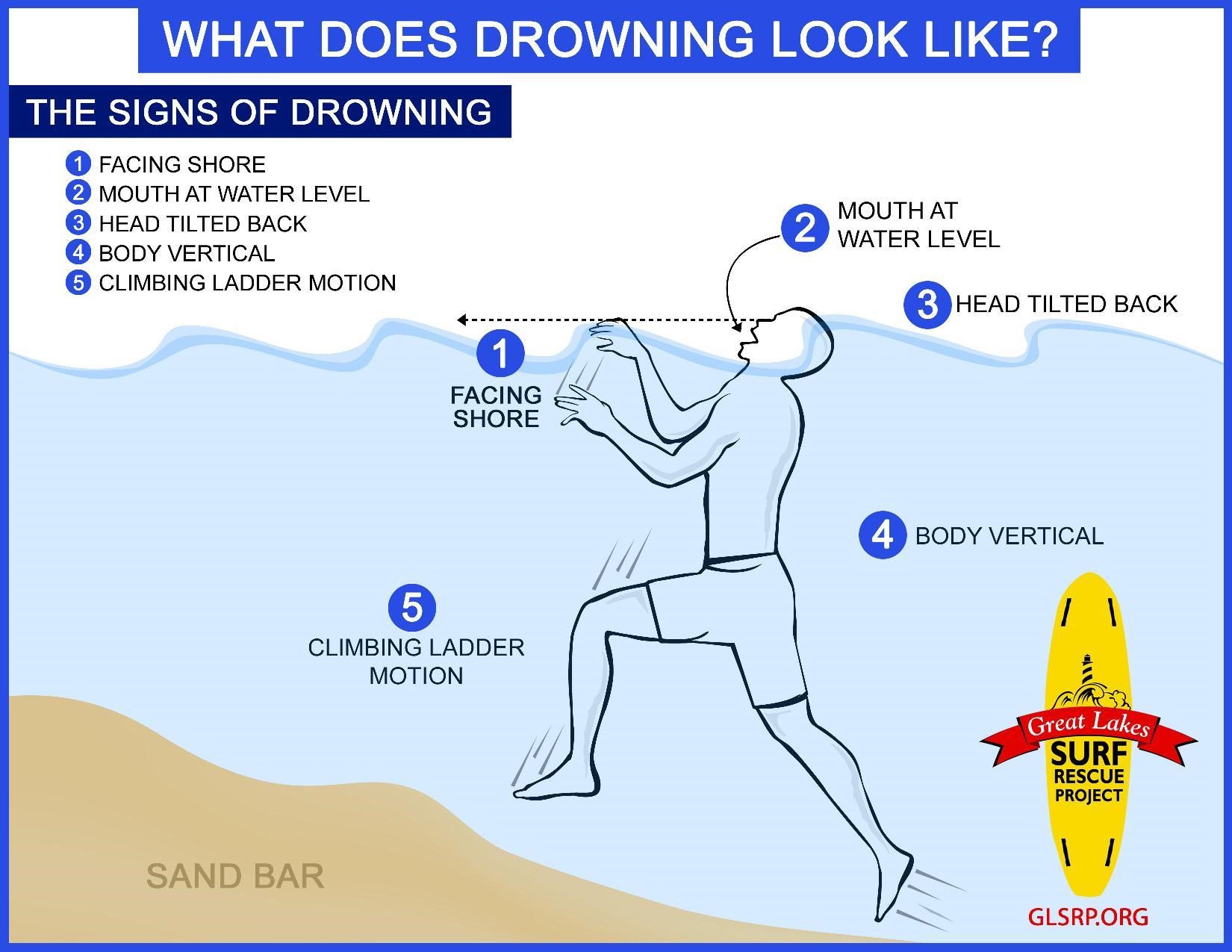
Some drownings occur because people do not recognize the signs it is happening. No yelling, no waving. Just a silent gasping for air and 20 to 60 seconds later, submersion. And someone has drowned, maybe in plain sight.
Since the inception of Scouting, learning to swim and engaging in aquatics activities have been core to the program. More than 1.5 million aquatics-related merit badges have been earned by Scouts BSA since 2009. Scouting America has also been a leader in promoting and providing training in aquatics safety. For at least 80 years, checklists have been in place to make sure those aquatic experiences are positive ones.
Safe Swim Defense and Safety Afloat govern Scouting America swimming and boating activities. These programs help provide leaders, Scouts and parents with the tools they need to be prepared to participate in aquatics activities. These programs are Scouting America’s way to conduct a safe and fun aquatics program.
Be prepared for your aquatics adventures this summer!
Fishing
What makes fishing such a great outdoor activity? Especially today, we are not fishing to feed our families. We fish for the challenge of fooling the fish into thinking we can imitate the natural environment and their prey. Many times, we catch and release the fish. We do this so we can keep a resource and possibly catch them when they have grown bigger.
Most times we go fishing not to catch fish but, to be outside many times sitting next to a beautiful mountain stream or rocking with the blue ocean. It is an activity that will transport us away from the stresses of everyday life and the only thing we can think about is concentrating on what we must do next to catch that fish.
The act of fishing drives us to want to preserve this experience for ourselves. In the long run, it makes us want to preserve it for future generations. From this, we learn about wildlife conservation. Fishing teaches us to care about things beyond ourselves.
The fact is that I would probably not be a Scout Leader without fishing.
My father was raised in a very poor part of Los Angeles from a poor Japanese immigrant family. The local Catholic Church had the best school in the area. My Grandparents valued education as the way out of poverty so my dad and his brother we enrolled in that school.
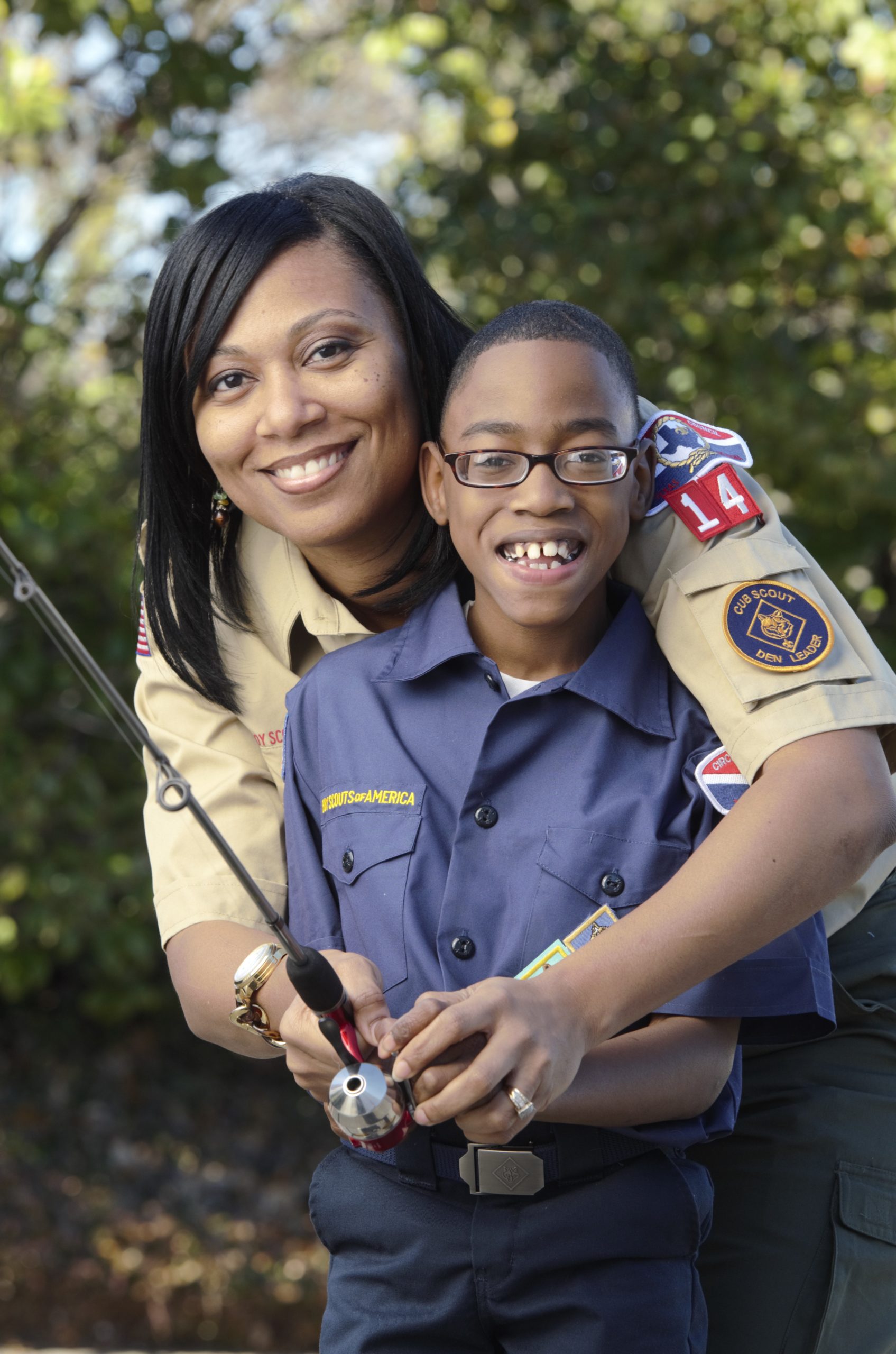
That school had a Boy Scout Troop. My father told me that his lifetime love of fishing came from learning to fish in Boy Scouts. He passed his love for fishing to me and enrolled me in Scouts as soon as I was old enough. I did the same thing when my son was old enough to be a Tiger Scout. My dad only became a Second Class Scout but he always lived by the Scout Oath and Law.
We, as Scout Leaders, have many opportunities to influence many generations ahead of us. It is why most of us are Scout Leaders. It would have to be obvious to you why, I have chosen fishing as my way of keeping Youth active in our movement. We all must have that special bait to keep and retain Youth. Therefore, fishing is my tool.

Sponsored Content
[Sponsored Content]
Dear Scouting America Leaders,
As you prepare for the changes to the National Camp Standards that took effect on January 1st, we understand that keeping your camp environment safe and compliant is a top priority. The new policy will require all upper bunks to have guardrails, designed to reduce the risks of injury and enhance the safety of campers. This is the perfect time to evaluate your camp’s bunk beds and ensure they meet the new standards, and we’re here to help!
Why Our Heavy-Duty Metal Bunk Bed Frames Are the Best Choice for Your Camp
At HeavyDutyBunkBeds.com, we specialize in providing durable, safe, and compliant bunk bed frames designed to withstand the high demands of camp environments. Here’s why our heavy-duty metal bunk bed frames are the ideal solution for your camp:
- Built for Safety and Compliance
Our bunk beds come equipped with sturdy, fully integrated guardrails that meet or exceed the required height and safety standards, ensuring your camp is compliant with 2025 National Camp Standard FA-717. - Bed Bug Resistant Design
Our frames are designed with welded tubes on all four sides, creating a solid and smooth surface that prevents bed bugs from entering or nesting in the frame. This added feature makes it much easier to keep your camp environment safe and hygienic. The welded construction also eliminates gaps that could serve as hiding spots for pests, offering peace of mind to camp staff and parents alike. - Durability That Lasts
Our heavy-duty metal frames are engineered to withstand years of high-traffic use in camp settings. Constructed from high-quality materials, they are rust-resistant, strong, and built to handle the rough and tumble of camp life, ensuring that your investment lasts for many seasons to come. - Easy to Maintain
Designed for easy assembly and minimal maintenance, our metal bunk beds are perfect for busy camp staff. The robust construction ensures that the frames remain secure, while the simple design makes it easy to clean and inspect for safety over time. - Comfort and Stability
Your Scouts deserve a comfortable, stable, and secure place to rest after a day of activities. Our bunk bed frames provide a solid foundation for mattresses, ensuring campers sleep soundly without worrying about wobbling or instability. - Cost-Effective for Camp Budgets
We understand that camps operate on tight budgets, which is why we offer competitive pricing for our heavy-duty metal bunk beds. You get superior quality and durability at a price that fits your camp’s financial needs.
Ensure Your Camp Is Ready for 2025
With the new bunk bed safety policies that went into effect on January 1st, 2025 (NCAP Standard FA-717), now is the time to upgrade or replace your old bunk beds to ensure your camp is fully compliant. Our heavy-duty metal bunk bed frames meet all the necessary safety standards, are built to last, and provide your campers with a secure, comfortable environment for restful nights and exciting days ahead.
Reach out to us today to learn more about our products, request a quote, or schedule a consultation. We’re here to help you ensure your camp stays safe, compliant, and ready for whatever adventure comes next!
Best regards,
Dick Bouman
EM: Dick@essuniversal.com
PH: 616.229.0597
www.HeavyDutyBunkBeds.com
Ps. If you have any questions about the new regulations, our bed bug resistant frames, or our bunk bed frames in general, don’t hesitate to get in touch. We’re happy to assist you in making the best choice for your camp!
CLICK HERE to view video testimonials from Camp Directors
CLICK HERE to view a video preview of the Dallas Single Over Single Bunk Bed
[Sponsored Content]

NCAP
According to the National Camp Accreditation Program (NCAP) Standard SA-001, all short-term camps, whether held on council property or off-site, require oversight by a certified Short-Term Camp Administrator (STCA) to maintain compliance with national guidelines.
Investing in trained Short-Term Camp Administrators is not about simply meeting a requirement. It is about equipping your team to deliver safe, enriching experiences that reflect the values of Scouting. Short-term camps, which are defined as any council-organized overnight programs lasting one to three nights, are a cornerstone of Scouting’s outdoor experience. See the full definition in NCAP standard SA-001.
Ensuring Compliance and Safety
This training ensures your short-term camp leaders are equipped to handle the complexities of camp operations while prioritizing participant safety. The STCA is responsible for implementing NCAP standards throughout the camp operation. This includes verifying that facilities meet safety requirements, health and sanitation measures are in place, and all activities adhere to national guidelines. NCAP Standard SQ-403 mandates that the administrator holds a current certification from National Camping School (NCS). This the person ensures that risks are managed and high-quality program is delivered each time your council holds a short-term camp.
Getting Certified
Training for Short-Term Camp Administrators smooths the path for your council. The Outdoor Programs Department and some local councils provide regular National Camping School certification courses covering planning, program development, staff recruitment, and risk management. For short-term administrators, certification takes eight hours of instruction and is valid for two years, with four-hour recertification options available to maintain compliance (NCAP Standard SQ-403). In addition, any current NCS certified Long Term Camp Director is also able to serve as a STCA.
Key Benefits of Using Certified STCAs
- Compliance with NCAP Standards: Meets requirements outlined in SA-001 and SQ-403.
- Risk Management Expertise: Reduces liability for councils and districts.
- Enhanced Program Quality: Ensures activities are safe, engaging, and aligned with Scouting principles.
- Consistency Across Events: Provides uniform standards for all short-term camps.
- Confidence for Leaders and Parents: Demonstrates a commitment to safety and excellence.
Strengthening Scouting’s Outdoor Program
By implementing NCAP standards through qualified administrators, councils and districts ensure every short-term camp fosters growth, leadership, and outdoor skills. Check for upcoming training dates to be ready for your council’s upcoming short-term camps at: https://stg.scouting.org/outdoor-programs/camping/short-term-camp/.
Cub Scouting
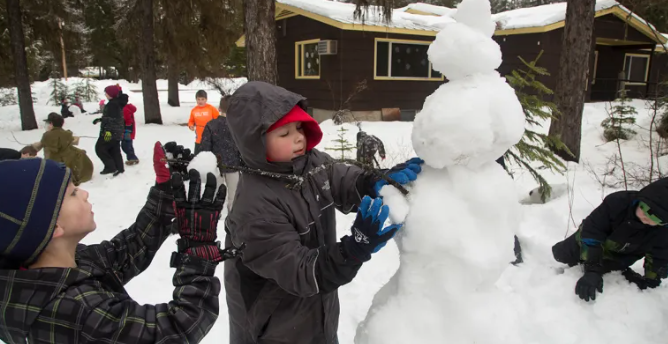
Winter is a magical season that provides unique opportunities for Cub Scouts to explore the outdoors, learn new skills, and earn adventures in a safe, exciting environment. Many Cub Scout ranks include adventures that can be completed in cold-weather settings, allowing Scouts to stay active, learn resilience, and foster teamwork. For example:
Lion Cub Scouts – Fun on the Run!
This adventure teaches Lion Cub Scouts about being active and having fun while exercising. In the winter, you can adapt this to include winter-themed games and activities.
Winter Adaptations:
- Sled Racing: Set up a sled race in a safe area with a slight incline. Lions can race their friends on sleds or snow tubes.
- Snowball Toss: Create a target for the Cubs to throw snowballs (or soft alternatives if no snow) into, turning it into a fun winter challenge.
- Snowman Relay: Organize a relay race where Scouts “build” a snowman by collecting snowball-sized items (such as white socks or small balls) and rolling them to a “snowman” station.
Tiger Cub Scouts – Tigers in the Wild
This adventure introduces Tigers to nature and the outdoors. It’s a great adventure to adapt to winter exploration, focusing on how nature changes during the colder months.
Winter Adaptations:
- Winter Nature Hike: Take a nature hike and point out the changes in plants, trees, and animal activity in the winter. Discuss how animals survive the cold weather, such as hibernation or migration.
- Winter Wildlife Observation: Bring out a pair of binoculars and observe birds, tracks, or other signs of wildlife in a winter forest or park. Teach Cubs how to stay quiet and respectful when observing animals.
Wolf Cub Scouts – Running with the Pack
This adventure is all about sports and physical fitness. It’s a great time to adapt it to winter sports and games that encourage physical activity in cold weather. Winter Adaptations:
- Winter Sports Relay: Set up a relay race featuring winter sports, like sledding down a hill, snowball tossing, or a snowshoe race (if snowshoes are available).
- Winter Obstacle Course: Create an obstacle course with a winter theme, like running around snowmen, crawling under branches, or jumping over snow mounds.
Bear Cub Scouts – Roaring Laughter
This adventure is all about fun and laughter! Adapt if for the winter by ending your event with a cozy campfire gathering. Bring everyone together at the end of the day for a campfire (if local guidelines allow). Campfire songs, storytelling, and hot chocolate create a warm conclusion to winter activities and give Scouts a chance to reflect on their achievements.
- Have a “funniest joke contest”.
- Play charades with the larger group!
Webelos & Arrow of Light Scouts
With these two ranks, engage Scouts with winter-themed skills such as starting a fire safely, tying knots while wearing gloves, or building a winter shelter. These skills add a sense of adventure and can apply to adventure loops, providing advancement and fun challenges for each rank. Additional ideas could include:
- Knife Safety & Carving: Host a session indoors where Webelos and Arrow of Light Scouts can carve winter-themed figures like snowflakes or animals.
- Tech on the Trail (Webelos): Geocache in the snow!
- High Tech Outdoors (Arrow of Light): Help Scouts use apps to check the weather forecast and determine how to be prepared.
Email blast!
Email blast!