
Scouting America

View Articles By Category

View Articles By Category
Filter by article categories, or search an specific article of your interest here.
  • All
  • Aquatics
  • Awards
  • Biking
  • Camp Staff
  • Camping
  • Conservation & Environment
  • COPE/Climbing
  • Cub Scouting
  • Fishing
  • National Jamboree
  • National Outdoor Conference
  • NCAP
  • Outdoor Ethics/Leave No Trace
  • Outdoor Programs - General
  • Properties
  • Range & Target Activities
  • Safety
  • Shooting Sports
  • Special Needs
  • Sponsored Content
  • Wheels & Board Sports
COPE-at-LPSR-300×169

COPE/Climbing

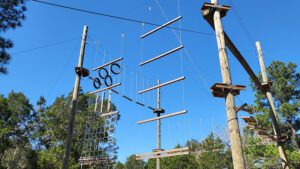
As we are getting ready for camp and going through your checklist for opening (NCAP RP-855), one of the items on your list is your annual COPE and climbing facilities ACCT inspection. Let’s review NCAP standard FA-715 and how it applies to your camp and let’s focus on what you need to DO to be ready for your season.

Before you operate your COPE and climbing area(s) they must be inspected by a “qualified person.” This person is defined in the NCAP standard FA-715 and the inspection must take place each year (within 12 months) of operation. As a reminder someone who is trained as an NCS COPE or Climbing director alone is not qualified to do this professional inspection.

Your council will need to schedule this inspection NOW if you have not already done so. A list of professional ACCT vendors is found at https://www.acctinfo.org/vendor-directory. Inspectors book quickly  so its essential you schedule this inspection right away if you have not already done so.

So you get the inspection, now what?

Taking charge: the councils’ responsibility
Your council plays a central role in overseeing the safety of your climbing and COPE courses. When inspections reveal areas of concern, it falls upon the council to address these issues swiftly and effectively, prioritizing the safety of all involved. This includes developing a plan to address any issues from the inspection. The NCAP standard allows you 60 days to develop the plan. You may ask “Can I use this element(s) during that time if it failed the inspection?” – NO once the inspector has labeled an element as a “fail”, your council must discontinue its use until the issues have been resolved. Does that mean my entire COPE course must shut down? – NO, you may continue to use those element(s) which pass inspection unless the use of a failed element would be needed to access the other elements.

Timely responses and thorough documentation
Your inspector must inform you immediately if there is an element(s) of the course that do not pass the inspection. This can be verbal, or in writing. Your role is to ask following the inspection “Were there any issues that you found?” Once you receive the inspection reports, the council will craft written responses outlining plans to rectify identified deficiencies. These responses are documented, providing a clear roadmap for addressing safety concerns and ensuring accountability throughout the process. Your NCAP assessment team will need to see the inspection reports along with the plan of action that addressed any concerns. These can be submitted with your Declaration of Readiness.

Collaborative efforts
Don’t go about this alone. Your council should engage a diverse array of stakeholders, including qualified professionals and experts, to develop comprehensive strategies for addressing inspection findings. Working with the inspector, installer, or manufacturer, along with your council committees will help you develop a plan to take corrective action. This plan must be in writing and available to your NCAP visitation team during the visit.

Implementing solutions
The primary objective of your council plan is to implement timely and effective corrective measures to correct any failures or issues. From structural enhancements to procedural adjustments, this plan should outline actions that are required and who will ensure they have been completed.

Verification and follow-up
Once the corrective actions have taken place a qualified person needs to approve and certify their completion prior to operation. 

Cultivating a safety culture
Beyond mere compliance, council responses to inspection findings play a crucial role in fostering a culture of safety within our organization.

When it comes to outdoor adventures within Scouting America, safety always comes first. Thanks to the work of Scouting America councils and their responses to inspection findings, you can climb, swing, zip, and explore with confidence. Questions about your inspection requirements? Email outdoorprograms@scouting.org. 

penn

NCAP

In just a few months, the warm breeze will herald the arrival of summer. Families and adult leaders will be eagerly preparing their Scouts for the quintessential experience of summer camp. A critical component of a successful camp adventure lies in the creation of a well-balanced and nutritionally sound menu. Drawing on the expertise of Penn State in the realm of nutrition, Scout camps can develop a menu that not only caters to the unique needs of campers but also ensures they receive the essential nutrients for a summer camp week full of fun and activities.

For the last few years, Scouting America has partnered with Penn State to support our camp menu and nutrition planning. Penn State advocates for a diverse array of food groups to form the foundation of a robust camp menu. Breakfasts can be fortified with whole-grain cereals, yogurt, and a selection of fresh fruits to kickstart the day with complex carbohydrates, protein, and vital vitamins. For lunch, incorporating colorful salads with lean protein sources such as grilled chicken or chickpeas ensures a nutrient-rich midday meal. Dinner options may include whole-grain pasta with a variety of vegetables and a lean protein source, offering sustained energy for the evening’s campfires or other activities.

Beyond the inclusion of diverse food groups, Penn State emphasizes the importance of portion control to meet the nutritional needs of campers without overindulgence. By offering a variety of options in appropriate serving sizes, campers can enjoy a range of flavors while maintaining a balanced diet. Snack choices can include a mix of nuts, seeds, and dried fruits, providing energy-dense and easily transportable options for between-meal cravings.

Ensuring food safety in camp settings is paramount, and Penn State provides valuable insights into proper food handling techniques. From safe storage practices for perishables to maintaining appropriate cooking temperatures, these guidelines help prevent foodborne illnesses in the camp environment. Additionally, incorporating non-perishable and easy-to-store items into the menu streamlines meal preparation without compromising nutritional value. Don’t forget to be prepared for special dietary needs. The big 8 recently became the big 9 (welcome sesame!) for major allergens. Double check your camp’s process for managing and supporting special dietary needs for your Scouts and Scouters. This a key aspect of customer service but also for the health and wellbeing of our campers.

Hydration takes center stage in Penn State’s approach to summer camp nutrition. With increased outdoor activities and potential exposure to higher temperatures, staying well-hydrated becomes crucial. Camp menus can feature hydrating options such as fruit-infused water, electrolyte-rich beverages, and watermelon slices to keep campers refreshed throughout their summer escapades.

In line with responsible camping practices, Penn State encourages eco-friendly choices in menu planning. Opting for reusable containers, minimizing single-use plastics, and emphasizing sustainable sourcing contribute to an environmentally conscious camping experience.

In conclusion, crafting a nutritious summer overnight camp menu inspired by Penn State’s recommendations ensures that campers not only enjoy their culinary experiences but also receive the essential nutrients needed for an active and memorable summer. By incorporating a variety of food groups, practicing food safety, promoting hydration, and adopting eco-friendly practices, camp organizers and families can contribute to the overall well-being and enjoyment of the camp experience. Visit the Penn State website to review the extensive collection of Penn State resources.

emergency-preparedness-1440×522

NCAP / Safety

Creating or Updating Emergency Procedures on a yearly basis will help keep your plans up to date and a yearly review will help keep your camps safe. Here are some steps to help you in the process of developing clear and concise plans for your camps.  

  1. Establish the Planning Team
  • Camp director, Camping Director, DSS, health officer, ranger, program leaders, council risk management committee members, local EMS/fire/police reps. 
  • Assign clear responsibilities for developing, approving, and maintaining the plan.  
  1. Identify Risks & Hazards

Conduct a hazard analysis specific to your camp: 

  • Medical: illness, dehydration, allergic reactions, cardiac events, injuries. 
  • Weather: thunderstorms, lightning, tornadoes, floods, extreme heat/cold. 
  • Environmental: wildfires, hazardous animals (snakes, bears, insects). 
  • Facilities: kitchen fires, propane leaks, power outages, water system failure. 
  • Human-caused: lost camper, intruder, abuse, transportation accidents, active threat.  
  1. Define Emergency Response Protocols

For each hazard, write clear step-by-step procedures. 
Examples: 

  • Medical Emergency: 
  • Alert camp health officer. 
  • Call 911. 
  • Begin first aid/CPR. 
  • Have a runner meet EMS at camp gate. 
  • Notify camp director and council office. 
  • Severe Weather (Lightning/Tornado/flooding): 
  • Sound siren/air horn with pre-determined signal. 
  • Move campers to designated shelters (dining hall, storm shelter, program buildings).  Try to make this location the same for each of your camps if your council has more than one. 
  • Account for all staff and campers. 
  • Resume activities only when cleared. 
  • Lost Camper: 
  • Activate “lost camper plan” (last seen location, buddy system check). 
  • Staff form search teams. 
  • Notify authorities if not found quickly. 
  • Intruder/Active Threat: 
  • Lockdown or evacuate as appropriate. 
  • Notify law enforcement immediately. 
  • Follow council and BSA Youth Protection guidelines.  
  1. Communication Plan
  • Establish emergency signals (air horn blasts, bell, PA system). 
  • Keep updated emergency contact lists (local EMS, fire, police, DNR, poison control, council office, camp physician). 
  • Radios or cell phones for staff. 
  • Parent notification procedures.  
  1. Evacuation & Shelter Plans
  • Primary & secondary evacuation routes from camp to safe zones. 
  • Transportation logistics for large numbers (buses, staff vehicles). 
  • Shelter-in-place locations clearly identified. 
  • Maps posted in all program areas and cabins.  
  1. Training & Drills
  • Train all staff during staff week on procedures. 
  • Run drills (fire, lost camper, weather, medical) with campers. 
  • Document each drill and update plans from lessons learned.  
  1. Documentation & Resources
  • Maintain written Emergency Action Plan (EAP) in staff binders, health lodge, camp office. 
  • Include maps, emergency numbers, protocols, and key staff roles. 
  • Ensure copies are filed with council risk management and local authorities.  
  1. Review & Update
  • Review annually before camp season. 
  • After any real emergency, conduct a debrief and revise procedures. 
  1. Continuous Improvement
  • Emergency preparedness is never “done.” Even the best plans can become outdated as staff changes, facilities evolve, or new risks emerge. Encourage a culture where feedback from staff and participants is welcomed. Following each camp season, conduct a review meeting with your planning team to discuss what worked, what didn’t, and what can be improved. 
  • Use those insights to refine your Emergency Action Plan (EAP), adjust training modules, and strengthen coordination with local emergency services. A few minutes of review each year can make the difference between a well-managed response and a chaotic one. 

Final Thoughts 

  • Creating or updating your camp’s emergency procedures annually isn’t just a box to check; it’s a vital step in ensuring the safety and confidence of everyone who comes through your gates. By involving the right people, identifying realistic risks, practicing clear procedures, and committing to continuous improvement, you’ll build a proactive safety culture that protects campers, staff, and your council’s reputation. 
  • Preparedness doesn’t eliminate emergencies—but it ensures your camp is ready to respond effectively when they happen. 


_B0A7333_photo_CSBC 1@3x

Camping

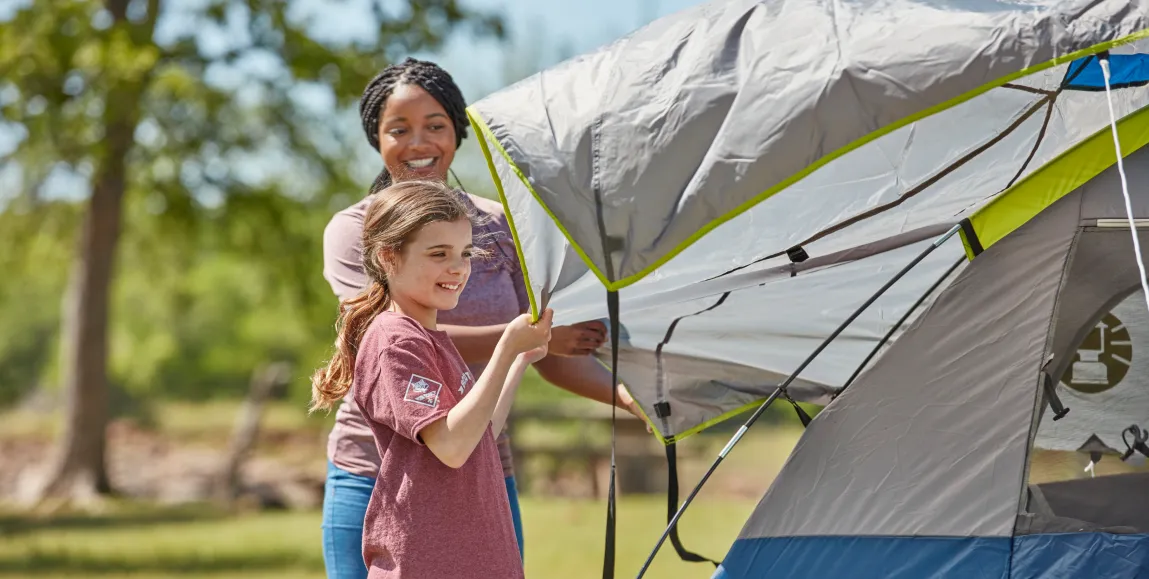
On June 1st, Cub Scouting unveiled eagerly awaited updates, bringing new energy and opportunities for Cub Scouts to explore the great outdoors. The updated Cub Scout program has a significant new number of outdoor focused adventures that can be a great addition to your district or council event.

Several updates were made to the camping required and elective adventures that Cub Scouts at all ranks can participate in. The opportunity to camp outdoors has consistently been the number one reason Cub Scouts join the Scouting program! The updated Cub Scout program continues to offer camping at every rank.  So first, how can you assist packs in earning these new adventures? 

  • Ensure packs know their Cub Scouts may be eligible for the summertime elective adventure. Like the previous “Summertime Pack Award”, these new “Summertime Fun” elective adventures encourage a Cub Scout to participate in an activity each month of the summer. Each Scout can earn the elective based on their individual participation. (Reminder Lion Scouts did not join until kindergarten started this fall so incoming kindergarten Lion Scouts cannot earn this elective adventure until the conclusion of their kindergarten school year.) Touch base with your packs this fall and see if they have Scouts who earned this elective!
  • Host a family camp weekend for your district or council. Reminder these events are “short-term camps” and must operate under the National Camp Accreditation Program (NCAP) standards.  This will help packs have a successful camping experience by leveraging your council property and experience program staff and volunteers. 
  • Facilitate BALOO training courses. A new syllabus will launch in September – take advantage of this updated material to encourage more Cub Scout leaders to experience this hands-on training. 

In addition to program changes, several updates were made to the Guide to Safe Scouting regarding Cub Scout camping. These changes specifically impact Webelos (4th grade) and Arrow of Light Scouts (5th grade) dens. The complete policy (including details like required BALOO training etc) can be viewed online HERE but below are a few key parts: 

  • Effective June 1, 2024, Webelos is the designated program for 4th graders and Arrow of Light is the designated program for 5th graders.  As such, the Arrow of Light program is no longer combined with the Webelos program and the purpose of Webelos (4th grade) is no longer to prepare Cub Scouts to join Scouts BSA. The purpose of the Arrow of Light program is to prepare for Arrow of Light Scouts to join a Scouts BSA troop.  Therefore, the camping policies for these two age groups have officially been separated. Understanding that these two dens have officially separated is critical to determining how each den can camp and with whom. This separation will also be showcased on the upcoming update to the Age Appropriate Guidelines Chart.
  • Both Webelos and Arrow of Light dens can still camp as a den. Reminder, only these two den types can camp as dens (other Cub Scout ranks can camp as part of a pack coordinated or at a council/district camping event). Webelos and Arrow of Light den campouts are for these two ranks alone – “tagalong” other age Cub Scouts or siblings are not allowed on den campouts. 
  • Webelos can camp as a den or with their pack but cannot camp with a Scouts BSA troop either at a troop or district/council event. This opportunity will become available when they become Arrow of Light Scouts and is even part of one of the required Arrow of Light adventures. 
    • Be sure to consider this as you plan legacy camporees or other Scouts BSA events where you may have invited all “Webelos” – now these camporees or other Scouts BSA events are no longer for Webelos but exclusively a potential opportunity for Arrow of Light Scouts.
  • Arrow of Light Scouts can participate and camp at a unit coordinated campout with a Scouts BSA troop they are eligible to join. They must attend as an Arrow of Light den/patrol under the supervision of two deep leadership from their Arrow of Light den/patrol or pack.
  • Arrow of Light Scouts can also participate at a Scouts BSA “camporee” (council coordinated, short-term camp, see NCAP SA-001) during the day and/or overnight as either a member of their den (with the den’s two deep leadership) or with their parent(s) or legal guardian(s) if the local council coordinates two deep leadership per NCAP Standard HS-502.

Be sure to read the entire section in the Guide to Safe Scouting so you can help your Cub Scout packs and their older dens have a successful camping experience this fall and into next year. The newly updated Cub Scout program is a great way to engage more Scouts outdoors! Don’t miss the chance to incorporate camping into your year-round district/council events. Questions, 

Cubs-fishing

Fishing

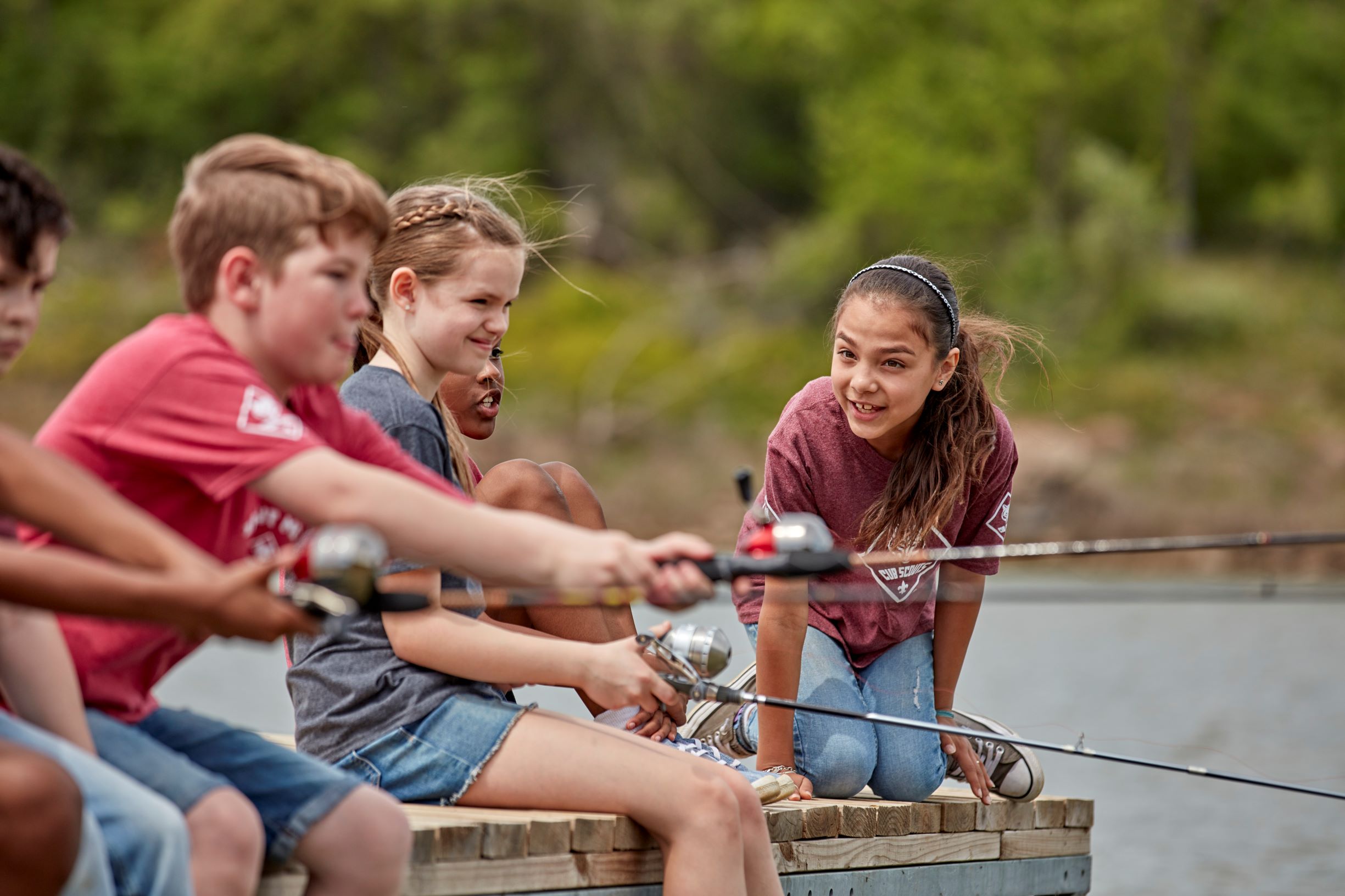
Great news for Cub Scouts, as of June 1, 2024, there is a fishing adventure in every Cub Scout rank! Lion Scouts up to Arrow of Light Scouts can earn fishing elective adventures as they progressively learn how to become an accomplished angler. Fishing holds a special place in Scouting history, being one of the original merit badges, and recent surveys have consistently ranked it as one of the top outdoor activities. It’s no wonder that fishing serves as a fantastic recruiting tool for new Scouts and families alike. Fishing also retains Cub Scouts in the program because it is fun, builds useful skills and challenges them on so many levels. Moreover, fishing isn’t just a temporary activity; it’s a lifelong pursuit that Cub Scouts and their families can continue to enjoy together. Furthermore, fishing has the power to reignite the passion of those who may have drifted away from Scouting, as it fosters a sense of community within packs, where knowledge and skills are shared and passed down through generations, much like cherished traditions. 

How does it work? 

Each rank has specific requirements for fishing elective adventures. In addition, there are den leader resources on for each rank that will outline the basic requirements for earning the fishing elective adventures available on Scouting.org that will launch on June 1, 2024. These requirements emphasize fishing safety and basic fishing knowledge such as fish identification, fishing equipment, biology, casting skills and knots. The adventure always has a fun trip to go fishing with their pack and adult leaders.  

How do Cub Scout leaders make it successful? 

Fortunately, the Scouting America Certified Angler Instructor Working Group has been preparing for this for several years. They have created an extensive network of more than 2,000 Certified Angling Instructors (CAI) and Angling Educators (AE) to assist councils with their fishing programs. CAIs and AEs can teach fishing basics to parents and Cub Scout leaders and help them create successful fishing outings and provide fun programs. Leaders are encouraged to contact their local council fishing committee, sign up for an Angling Educator Class, or visit Scouting America Fishing for more information about Scouting’s Cub Scout fishing resources. 

Fishing is more than fun! 

The bottom-line is that fishing is a family-friendly, safe, and fun hands-on activity that is an excellent addition to Cub Scout pack programming. It is inexpensive to start a fishing program and teaches Scouts hand-eye coordination, cooperation, team skills, goal setting, environmental awareness, patience, outdoor survival, persistence, problem solving, friendly competition and at the end of the day … storytelling. Help a Scout tell a great fish tale by taking them on a fishing adventure! 

Diamond Brand 2

Camping

Ninety years ago, we made the very first standard-issue backpack for the Boy Scouts, the Yucca Pack. Ever since then, Diamond Brand Gear’s partnership with Scouts has been one of the most enduring and impactful parts of our legacy as a company. 

It was crafting durable, top-quality goods for Scout camps and councils — from bags and gear to our flagship canvas wall tents and packable Scouting tents — that first marked our entry to the world of gear craftsmanship. 

It’s only fitting, then, that we honor this partnership as the title sponsor of this year’s Scouting America National Outdoor Conference.

Why we’re proud to be 2021 Scouting America National Outdoor Conference sponsors

As the largest biennial gathering for Scouting America employees and volunteers, we’re thrilled to collaborate on such a key cornerstone of leadership in Scouting today. (And we were happy to donate commemorative messenger bags made from reclaimed tent materials, too!) Our support for the Scouting community goes far beyond a weekend’s event, though.
Tested by us, trusted by Scouts

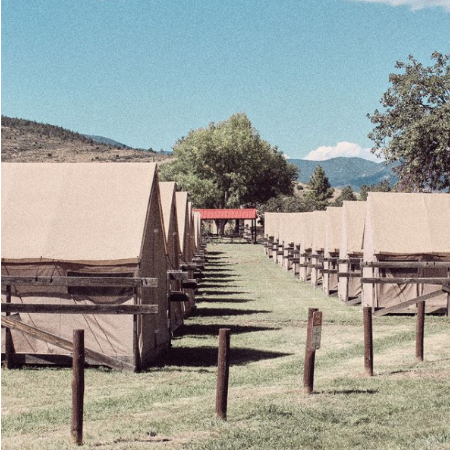
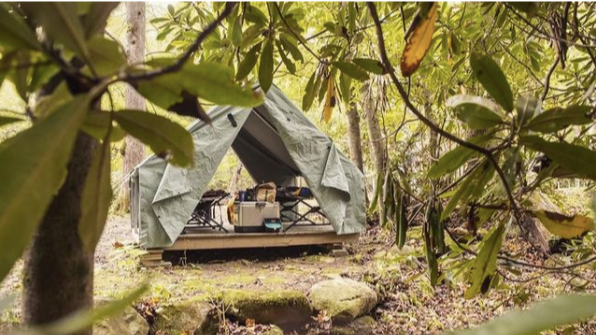
From Camp Daniel Boone in North Carolina to the 137,000-acre Philmont Scout Ranch in New Mexico, our tents, made by hand in the Blue Ridge foothills, are favored by Scout camps across the country for a reason. We craft them to last, using only the most durable of fabrics, sealed seams, triple reinforced corners and sturdy grommets. Tested in the harshest of conditions, and with an in-house repair shop to boot, our tents are designed to keep powering scouts’ adventures for generations.
Have any upcoming Scouting adventures of your own? Feel free to check out more of our time-tested, handcrafted gear for Scouts by tapping the button below. Your partners in adventure,The Diamond Brand Gear team

This article is sponsored by Diamond Brand as part of their great donation to the 2022 National Outdoor Conference.
NWSM20 Logo

Aquatics

As we look toward the warmer months, it’s time to gear up for a splash of excitement and safety awareness. May is National Water Safety Month, and as proud members of the Scouting community, it’s our responsibility to champion safety while embracing aquatic adventures. From thrilling campouts to refreshing swims, let’s make a splash in promoting water safety across all units and camps. 

  1. Understanding Safe Swim Defense: A Fundamental Principle

Safe Swim Defense is the key to unlocking a world of aquatic exploration without compromising safety. Safe Swim Defense helps reinforce the importance of the buddy system, qualified supervision, and appropriate swim ability and more. Each of us should familiarize ourselves with the Safe Swim Defense guidelines and ensure that all aquatic activities adhere to these fundamental principles. Reminder you must take Safe Swim Defense every two years and it can be done online or even from your mobile device! Camps can also offer in-person Safe Swim Defense courses and your local Scout Executive has access to the current in-person training materials.  

  1. Safety Afloat: Navigating Waters Responsibly

For those venturing into the realm of boating and watercraft adventures, Safety Afloat guidelines are paramount. Safety Afloat reinforces rigorous training for leaders and participants which ensures a safe and enjoyable experience on the water. Life jackets, weather awareness, skill proficiency and proper supervision are the cornerstones of Safety Afloat. Remember you must take Safety Afloat every two years and it can be done online or even from your mobile device! Camps can also offer in-person Safety Afloat courses and your local Scout Executive has access to the current in-person training materials. 

  1. Dive into Awareness: 7 Ideas to Promote National Water Safety Month
    • Training for Scouting America Swimming & Water Rescue provides Scouting America leaders with information and skills to prevent, recognize, and respond to swimming emergencies during unit swimming activities. It expands the awareness instruction provided by Safe Swim Defense training.   
    • Scouting America Paddle Craft Safety expands Safety Afloat training to include the skills and knowledge needed for a unit leader to confidently supervise canoeing or kayaking excursions on flat water with additional modules for moving water.  
  • Organize a Swim Classification Test Event: Get prepared for your Scouting water-based adventure by offering a swim classification test event. Details about the swim classification test can be found in Aquatics Supervision.    
  • Community Outreach: Partner with local organizations to spread awareness about water safety. Offer free swim tests or demonstrations to the community, emphasizing the importance of learning to swim.  
  • Safety Poster Contest: Host a poster contest focused on water safety. Engage Scouts in creating eye-catching posters that highlight the key principles of Safe Swim Defense and Safety Afloat.  
  • Boating Adventure Day: Arrange a day dedicated to boating adventures, incorporating Safety Afloat guidelines. From kayaks to canoes, let Scouts experience the thrill of watercraft under safe supervision. And don’t forget Friday, May 17th is “Wear Your Life Jacket to Work Day”.   
  • Merit Badge Focus: If your unit or camp has a water-related merit badge program, make May the month to dive into those activities. It’s a perfect way to merge skill-building with safety awareness. You can encourage Scouts coming to camp to sign up for a water related merit badge this summer. 
  • CPR and First Aid Training: Equip leaders and older Scouts with CPR and first aid skills specific to water-related emergencies and host local courses. This additional layer of preparedness can be a lifesaver in critical situations.  

As we celebrate National Water Safety Month this May, let’s champion a culture of safety that ensures every Scout can dive into aquatic adventures with confidence. By embracing Safe Swim Defense and Safety Afloat, we not only safeguard our Scouts but also nurture a love for water activities that will last a lifetime. Let the waves of safety awareness ripple through our units and camps, creating a sea of knowledge that keeps everyone afloat. Happy Water Safety Month, Scouts!  

knife

Camping

The updated Cub Scout program has a significant new number of outdoor focused adventures that can be a great addition to your district or council event. We will continue to highlight these new outdoor focused Cub Scout adventures over the coming months. Have a great idea? Submit it to outdoorprograms@scouting.org and we would love to feature it on an upcoming blog! 

Knife Safety 

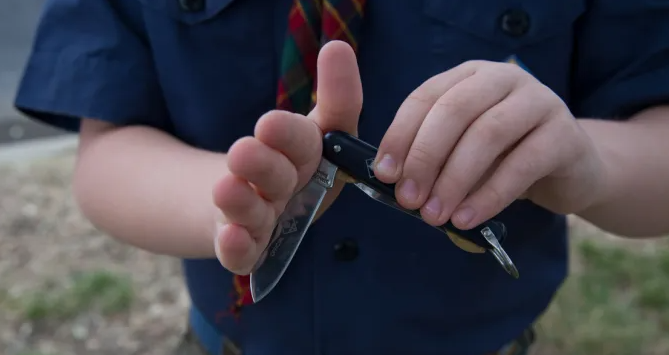
One of the highlights of the Cub Scout experience has been the Bear Claws Adventure and the Whittling Chip program where Cub Scouts are introduced to pocketknife safety. The updated Cub Scouting program now includes elective adventures centered around knife safety for Bears, Webelos and Arrow of Light!  

  • Note to use a knife in Cub Scouting, the Cub Scout must first complete the knife safety Adventure for their rank, even if they earned the knife safety adventure in a previous rank.  This replaces the Whittling Chip and introduces continuous certification for the use of a knife. 
  • Consider hosting an activity during a council or district event that showcases the new knife safety adventures for each rank. For example, you could have an adult showcase to a group of Webelos Scouts how to choose a correct cooking knife, and then learn to slice, chop and then mince. They could even use the items they chopped in a cooking recipe to cook a portion of a meal or for a snack. 

Boating 

Boating adventures are available for Bears, Webelos, and Arrow of Light. These new adventures provide Cub Scouts the opportunity to use a canoe, kayak or stand-up paddleboard.   

  • Encourage district and council event planners to offer boating during district and council events to assist packs with earning elective adventures.   
  • Partner with local marinas or boating clubs to offer hands-on experience days give Cub Scouts a chance to paddle.  
  • Include opportunities for the Cub Scouts to learn about different types of life jackets, how to properly fit them, and why they are essential. Include interactive demonstrations showing how life jackets keep you afloat and the importance of always wearing them while on the water. 
  • Note the boating adventures require Cub Scouts to pass the Scouting America swimmer test before beginning the rest of the adventure requirements. However, not qualifying as a “swimmer” during the swim test does not mean a Cub Scout cannot go boating for fun. It simply means they cannot earn their boating elective adventure yet. For example, a Bear Scout can still canoe during an activity if they adhere to current aquatics guidelines, however, to earn the Cub Scout Adventure Bears Afloat, they must first pass the swimmer test. 
Now-Hiring-1200×661 copy

Camping

Camp has just ended it seems and already you know it is time to begin the process of hiring your staff for next season. Hiring the right staff is one of the most important things for you to do to ensure your camp’s success. With camp staff directly interacting with Scouts and adult leaders, staff members need to embody the camp’s values, be responsible, and work well in team environments. Let’s take a few moments to look at some techniques as you begin to interview and hire your staff for the next season. Also – register for our webinar on November 14th and learn more how to navigate the legal requirements of hiring camp staff.  

Key Interview Techniques 

  1. Structured Interviews
    Summer camp staff is a “real job” and as such it requires you to think about it in that manner. This begins with your hiring and interview process. A structured interview shows that you are serious about the role of a camp staff member and shows you value the employee. This means asking each potential staff member the same set of questions to ensure you can evaluate them objectively. Begin with warm-up questions to make the interviewee feel comfortable and relaxed.
  • Example questions: 
  • “Why are you interested in working at camp this season?” 
  • “Can you tell me about a time you were part of a successful team and what role you played?” 

Your goal in these questions is to get to know the Scout a bit and learn more about their motivation for wanting to work on your camp staff.  

  1. Behavioral Interviews
    They say that past behavior is a predictor of future behavior. This is why we use behavioral questions in our interviews. Behavioral interview questions focus on past experiences, to help provide insight into how a potential staff member might behave in a similar situation in the future. This is especially important for camp staff, who will often face challenging, high-energy situations.
  • Example questions: 
  • “Describe a situation where you had to manage a group of Scouts. How did you handle it? What was the hardest part?” 
  • “Tell me about a time you had to solve a problem under pressure. How did you go about it?” 

The goal of these questions is to evaluate how the staff member thinks about situations. These questions are even more important for your leadership team or area directors as you determine who should be the leaders of your camp.   

  1. Scenario-Based Questions
    These help assess how a potential staff member might handle camp-specific challenges. These can test problem-solving, communication, and decision-making skills.
  • Example questions: 
  • “What would you do if two Scouts had an argument during an activity?” 
  • “How would you manage a Scout who refuses to participate in the merit badge discussion?” 
  • “What would you do if a Scout attended your merit badge session each day but was not able to complete the requirements?” 

The goal of these questions is to put the potential staff member in real life situations and ask them to evaluate how they would respond. These questions help you understand their thought process and how they would handle these situations.  

  1. Follow-up Questions
    Encourage the potential staff member to expand on their responses with follow-up questions. This allows you to assess their thought processes more deeply.
  • Example follow-ups: 
  • “Why did you choose that approach?” 
  • “If you could go back, would you do anything differently?” 

These questions are best used when a response is not exactly what you were expecting or when you need some more clarification.  

Reminder…What Not To Ask… 

In asking any questions, remember there are several types of questions that you may not ask.  

These include: 

  • Questions about age  
  • Questions about race, nationality or ethnicity 
  • Questions about gender or sexual orientation 
  • Questions about religion 
  • Questions about disability or health 
  • Etc.  

You can find more information about these at the EEOC website https://www.eeoc.gov/employers/small-business/what-shouldnt-i-ask-when-hiring   


Hiring 15-Year-Olds: Federal Legal Considerations 

When hiring minors, particularly those under 16, there are specific federal regulations to consider under the Fair Labor Standards Act (FLSA). The FLSA sets guidelines for working hours and conditions for minors. 

  • Hours Restrictions: 
    For 15-year-olds, federal law restricts the number of hours they can work during the school year and summer. They are limited to: 
  • No more than 3 hours on school days and 8 hours on non-school days. 
  • No more than 18 hours in a school week or 40 hours in a non-school week. 
  • Work must be done between 7 a.m. and 7 p.m., though this extends to 9 p.m. from June 1 to Labor Day. 
  • Prohibited Occupations: 
    There are also specific tasks 15-year-olds cannot perform due to safety concerns, such as operating heavy machinery, using certain power-driven equipment, or working in roles deemed hazardous. 

Camp directors must be aware of these laws to avoid compliance issues, as violating child labor laws can lead to fines and penalties. You can find more information at the department of labor website www.dol.gov/agencies/whd/youthrules/young-workers  

The Importance of a Letter of Agreement 

Once a potential staff member is hired, having a letter of agreement is a crucial step. A letter of agreement outlines the terms and conditions of employment, setting clear expectations for both the camp and the staff member. It helps prevent misunderstandings and ensures transparency. 

Key components to include in a letter of agreement: 

  • Position title and job description 
    Clearly define the role the staff member will be filling, including a brief description of their duties. 
  • Start and end dates of employment 
    Be specific about the time frame of employment, especially for seasonal positions like summer camp jobs. 
  • Salary and benefits 
    Outline pay rates, any available benefits, and when and how the staff member will be paid. 
  • Work schedule 
    Be clear about expected work hours and any time-off policies. 
  • Camp policies 
    Include information about camp rules, codes of conduct, and any policies regarding safety, camper interaction, and staff behavior. 
  • Signature of agreement 
    Both the camp director and the staff member should sign the document to acknowledge their understanding and acceptance of the terms. 

Hiring camp staff is more than just filling positions—it’s about ensuring you have the right people to create a positive, enriching environment for the Scouts and leaders coming to your camp. Using structured, behavioral, and scenario-based interviews can help you assess potential staff members more thoroughly. When hiring younger staff members, ensure compliance with federal labor laws to avoid legal complications. Having an employment agreement with a clear letter of agreement is key to setting up a successful working relationship. By following these steps, camp directors can feel confident in their hiring decisions and focus on delivering a great camp experience.  


stat

Properties

As Scouting America continues to strengthen the impact of its programs across the country, the Council Facility Evaluation Tool (CFET) has emerged as a critical asset for local councils aiming to enhance the safety, effectiveness, and sustainability of their camp and facility operations. 

What is the CFET? 

The Council Facility Evaluation Tool (CFET) is a standardized assessment instrument developed by the National Council to help local councils evaluate the condition, usage, and long-term viability of their camps and properties. It provides a comprehensive framework for assessing a facility’s physical infrastructure, programming capacity, and alignment with strategic Scouting goals. 

CFET is part of Scouting America’s broader commitment to responsible stewardship, safety, and strategic planning. The tool was designed not only to identify immediate maintenance or safety issues but also to support long-term planning and data-informed decisions about the future of council-owned facilities. 

Key Components of CFET 

The CFET covers several critical domains, including: 

  • Facilities Condition Assessment: A detailed look at the physical state of buildings, infrastructure, and utilities. 
  • Usage and Capacity: Evaluation of how often and how effectively properties are being used for council and district programming. 
  • Program Alignment: An assessment of whether current facilities support the types of programs that meet youth needs and align with Scouting America’s mission. 
  • Risk and Safety: Identification of hazards and compliance with health and safety regulations. 
  • Financial Sustainability: Analysis of operational costs, income potential, and long-term viability. 

Each domain includes a rubric-based scoring system to ensure consistent and objective evaluations across councils. 

Why CFET Matters 

For Scouting America professionals—especially those involved in operations, camping, property management, and executive leadership—the CFET is a valuable decision-support tool. It can do the following: 

  • Identifies critical needs before they become costly problems. 
  • Supports strategic property planning, including closures, renovations, or reimagining the use of facilities. 
  • Promotes transparency and consistency in council-level facility management. 
  • Provides data to support fundraising, grant applications, and board presentations. 
  • Strengthens youth program delivery by ensuring facilities meet modern needs and expectations. 

How It’s Used 

Scouting America encourages councils to use CFET on a regular basis, such as every three to five years, or in conjunction with key strategic planning efforts. During the Summer is a great time to update the CFET especial if the camp encounters hard winters. The evaluation process typically involves a multidisciplinary team including council staff, volunteers, engineers, architects, and health/safety professionals. Some councils also partner with the national service center or regional support teams for additional guidance. 

Once completed, the CFET report becomes a living document—guiding improvement plans, investment priorities, and policy development around council facilities. 

Conclusion 

The Council Facility Evaluation Tool represents more than just a checklist—it’s a strategic asset for every council seeking to ensure its properties are safe, functional, mission-aligned, and financially sound. By using the CFET proactively, council volunteers and employees can play a pivotal role in building the foundation—literally and figuratively—for a strong future in Scouting. 

IMG_4304

Shooting Sports / Sponsored Content

Scouting America has long been a champion of outdoor adventure, leadership development, and conservation education. With a proud 115-year tradition, we continue to evolve, enhancing programs to inspire new generations of Scouts through meaningful experiences. Two recent major projects—at the Summit Bechtel Reserve and Philmont Scout Ranch—are setting a new standard for range and target sports education, training, and conservation awareness. 


The Joe Crafton’s Sportsman’s Complex at Summit Bechtel Reserve 

Redefining Shooting Sports and Conservation Awareness 

At the heart of the Summit Bechtel Reserve, the newly renovated Joe Crafton’s Sportsman’s Complex stands as a state-of-the-art interpretive center that not only teaches safe and effective shooting skills but also underscores the vital role hunters play in conservation. Through the support of The NRA Foundation, this innovative facility is equipped with the latest digital learning experiences, simulations, and virtual shooting galleries that provide authentic, immersive instruction for Scouts of all experience levels. 

Whether it’s learning the fundamentals of firearms safety, safe range practices, or earning their Hunter Education Certification, Scouts can walk away from this experience more confident, capable, and aware of the traditions and responsibilities that come with being a responsible sportsman. 

NRA Hunter education course: https://nra.yourlearningportal.com/Course/HuntersEdActivityInfoPage

Hunter’s Hall & Crafton Skills Center: Revitalized for the Next Generation 

These essential facilities at the Summit have undergone major updates, with new equipment and programming designed to: 

  • Celebrate the Scouting America’s legacy of marksmanship and outdoor ethics. 
  • Bridge the gap between hunting and conservation education. 
  • Inspire through real-world success stories from adult Scouters. 
  • Provide hands-on introduction to range activities and safety. 

With over 10,000 participants projected to benefit annually, the impact of these revitalized programs reaches beyond campgrounds. They create a deeper appreciation for land stewardship, native species preservation, and the ethical use of firearms—all within the framework of year-round programming for families and Scouts. 


Harlan Reloading Staff Camp at Philmont: Rebuilt and Ready 

Over in the rugged high country of northeastern New Mexico, Philmont Scout Ranch—the world’s largest outdoor youth camp—has embarked on a remarkable transformation of its own. Through the support of The NRA Foundation, the Harlan Reloading Camp has been fully rehabilitated from impacts of the 2018 Ute Park Fire and is once again operational for shotshell reloading and trap shooting in the backcountry. Improvements are also underway at Sawmill for metallic cartridge reloading. 

More than 17,000 Scouts will benefit from the reintroduction of the Harlan program, participating in an estimated 24,000 reloads annually. That’s more than just skill development—it’s hands-on experience in self-reliance, patience, and technical craftsmanship. 


Why It Matters: 

Scouting has always been committed to the safe, responsible, and intelligent use of firearms and archery. With over 2 million range and target activities merit badges awarded and 200+ camps offering range and target activities, Scouting America stands as a global leader in youth range and target education. 

But more than that, these activities build life skills. They promote confidence, mental focus, physical discipline, and a strong conservation ethic. With passionate adult mentors and innovative programming, Scouts are not just learning how to shoot—they’re learning how to lead, protect, and preserve. 


A Future Aimed True 

The improvements made to these facilities demonstrate to the Scouting community that range and target activities education offers more than just a camp activity—it’s a pathway to personal growth, environmental stewardship, and lifelong passion. 

As these programs expand and reach thousands of young people each year, one thing remains certain—Scouting’s commitment to excellence continues to blaze trails for generations to come. 


Support. Inspire. Educate. 
Together, we are shaping confident youth with a respect for safety, a love for the outdoors, and the skills to become tomorrow’s conservation-minded leaders. 


Save the Date: 
2026 NRA Range & Target Activity Training Classes 
Get ready to elevate your camp’s range program with upcoming national training opportunities designed for Scouting America camp leaders and staff. 


Explore range resources, training, and support at: 
https://stg.scouting.org/outdoor-programs/range-activities 


Advancing Safe and Skill-Based Range Programs for Youth 

2024 Patch

NCAP

Scouting America introduced the National Camp Accreditation Program (NCAP) in 2013, setting standards to ensure that all camp facilities and programs align with Scouting values while providing a safe experience for Scouts and Scouters. If you’re passionate about contributing to the safety and success of Scouting adventures, becoming an NCAP assessor is a valuable role worth considering!

NCAP assessors play a crucial part in maintaining the Scouting brand and enhancing safety standards. Every camp program undergoes assessment to evaluate its safety and effectiveness. Some assessments are conducted by local council members, while others require an external team of national council camp assessors. Training is essential for all assessors to understand what to observe and why it matters. Specialized courses are available to equip individuals with the necessary knowledge. Training is updated annually to reflect updates in NCAP standards and other best practices. Understanding the NCAP standards and how the apply to camps and their programs is a key part of serving as a trained NCAP assessor. Participating in NCAP assessor training will help you “be prepared” to serve in this important role effectively.

For long-term camps, an external national council assigned assessment team must assess the camp. Over 2,000 dedicated volunteers from across the country participate in these assessments each year. These volunteers witness and assess programs offered by various councils. As assessors, they commit to addressing challenges they observe while also praising top-quality programs and staff.

If you’re interested in becoming a long-term camp assessor, reach out to your local council leadership and volunteers. Training is a prerequisite for participation, with two available courses – one online and the other conducted by the assessment coordinator or their team. The online course, accessible to anyone, provides comprehensive insights into the National Camp Accreditation Program. This training is available online at my.Scouting.org.

Short-term camp and day camp assessments are assessed by their local council. Short term camps are assessed by short-term camp administrators and day camps are assessed by assigned local council trained volunteers. To get involved, contact your local council leadership, and express your willingness to get trained and contribute to the assessment process.

For more information on the National Camp Accreditation Program, visit https://stg.scouting.org/ncap, or reach out to ncap@scouting.org. Becoming an NCAP assessor is a meaningful way to play a vital role in safeguarding Scouting adventures for future generations.

Showing Slide 1 of 13
Subscribe to the Trail to Adventure blog
Email blast!
Subscribe to the Trail to Adventure blog
Email blast!
Chat Icon
Scoutly Toggle Size Close Chat