

- All
- Aquatics
- Awards
- Biking
- Camp Staff
- Camping
- Conservation & Environment
- COPE/Climbing
- Cub Scouting
- Fishing
- National Jamboree
- National Outdoor Conference
- NCAP
- Outdoor Ethics/Leave No Trace
- Outdoor Programs - General
- Properties
- Range & Target Activities
- Safety
- Shooting Sports
- Special Needs
- Sponsored Content
- Wheels & Board Sports
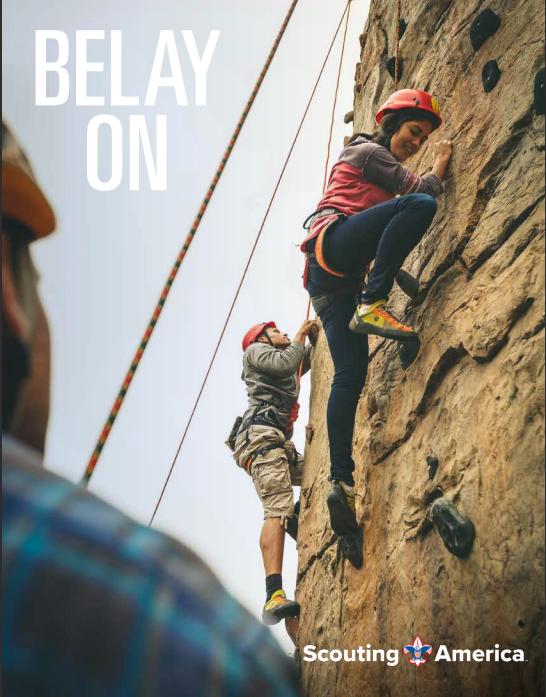
COPE/Climbing
The updated Belay On Manual has been released and is now available on the COPE and Climbing website. This manual serves as the official guide for councils and units in the operation of COPE and Climbing programs, providing procedures, and best practices to support safe, high-quality program delivery.
If you or your unit are looking to offer climbing or challenge course (COPE) programs this manual gives you the guidelines that you must follow. As you open the guide you will find informatoin about equipment, program planning and all things safety to keep your youth safe in delivering these adventures. The manual is used in conjunction with Climb on Safely training for the program guidance and delivery.
Thank you to key volunteers from the COPE and Climbing Committee on helping to update this manual. For questions email us at outdoorprograms@scouting.org.

NCAP
As camp leadership, you know that camp is synonymous with fun, excitement, and life-changing experiences. However, it also comes with its fair share of paperwork. Between meeting the requirements of the National Camp Accreditation Program (NCAP) standards and adhering to local regulations, there is no shortage of paperwork to track and manage.
Some of this paperwork includes the camp first aid logs and incident reports. Understanding how these two items are connected can help you “be prepared” for a successful camp season.
Let’s start by defining these two items:
BSA First Aid Log:
The Scouting America First Aid Log serves as a detailed record of all medical-related interactions during a specific Scouting activity. This log is normally maintained by the camp health officer or designated individuals with medical expertise. Reminder please use the specific BSA First Aid Log for your camp type (day camp/short-term camp versus long-term camp).
A BSA First Aid log typically includes:
- Date and Time: The precise timing of when the medical intervention occurred.
- Name, Age, Unit: Identification of the individual receiving aid.
- Nature of Injury or Illness: Description of the condition or injury requiring first aid.
- Comments: Description of the activity and location where the injury occurred.
- Treatment/Disposition: Detailed account of the first aid measures administered, including any medications given, wounds treated, or assistance provided.
- Treated by: A record of who treated the individual.
BSA Incident Reporting Tool:
In contrast to the First Aid log, the Incident Reporting focuses on documenting significant incidents or accidents that occur during Scouting activities. For medical related incidents, an incident report is completed whenever the treatment provided exceeds “standard Scout first aid.” For information on how to submit an incident report, click here.
This report is more comprehensive and includes a broader range of incidents beyond medical emergencies, such as environmental hazards, property damage, or conflicts requiring intervention.
The 4 key components of a BSA Incident Reporting Tool typically include:
- General Incident Details: Details of when the incident occurred, where the incident occurred and who reported it.
- Injury/Illness/Damage Information: Details about the claimant, The nature of the injury or damage, cause, and treatment/response.
- Vehicle information: If a vehicle was involved in the incident.
- Witnesses: Contact information for each witness.
So how are they connected?
In cases where a first aid logged injury/treatment is exceeds “standard Scout first aid” an incident report must be filed. Your camp’s BSA First Aid logs are not a replacement for submitting an incident report. Does everything you log in the first aid log require an incident report? Likely not – only if it meets the threshold of beyond “standard Scout first aid”.
You could have several entries in your camp’s first aid logs that do not meet this threshold. For example, a Scout comes in for a band aid. While this would be logged into the First Aid log, it would not rise to the level of also requiring an incident report to be filed.
Speaking of incident reporting, don’t forget that NCAP standard AO-808 was updated for 2024! Within the 2024 AO-808 standard, it states that within 60 days prior to the start of camp, the camp director, program director (for long-term camps and day camps) and professional advisor (for long-term camps, day camps and short-term camps) shall access the Scouting America Incident Reporting page (stg.scouting.org/health-and-safety/incident-report/), download a copy of the current Incident Information Reporting Tool, Youth Protection/ Membership Infraction Information Reporting Tool, and Near Miss Incident Information Reporting Tool and review the balance of the webpage.
The people in the positions stated above must sign a certification statement that this review was completed and keep a copy of each tool available while the camp is in session. The completed certification statement must be provided to your assessment team either with your Declaration of Readiness or presented during the visitation.
In Scouting, we will not compromise the safety of our youth, volunteers, and employees. Safety is a value that must be taught and reinforced at every opportunity. We are all responsible and must hold each other accountable to provide a safe environment for all participants. Documenting incidents and medical interventions is a crucial aspect of ensuring the well-being of Scouts, leaders, and staff members alike.
Camping
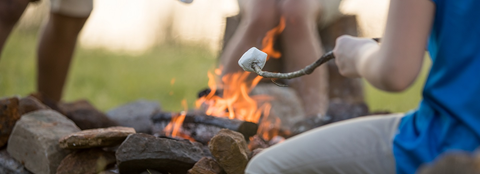
There’s nothing like enjoying the great outdoors in Scouting with a roaring fire, gooey s’mores, and a night sky full of sparkling stars. It’s essential to learn how to provide a SAFE experience with a campfire. Let’s review the safety considerations you should ask yourself before your next campfire.
What are the environmental conditions?
Before your camping trip, monitor the weather for changing conditions. And don’t forget to understand the local campfire regulations or requirements for your campout location. Always check for any active burn ban. And remember, do not build a campfire in hazardous, dry conditions. As a precaution take wind, and its direction, into account when choosing the site. Choose a spot that is protected from gusts.
Is your campsite being maintained?
When preparing your campfire, always use an established campfire ring, and keep your size appropriate for your campsite. Keep the fire a minimum of 15 feet from tents, shrubs, trees, or other flammable objects. Don’t forget to look out for low-hanging branches above the fire. A secure waterproof box or bag outside your tent is the perfect way to store matches, lighters, and items used as fire starters.
Do you know additives in Scouting are Prohibited?
We all love a big campfire but using additives to a fire in Scouting is prohibited. This includes chemicals, accelerants, color-changers, explosives, and other flame-enhancing products like Magical Flames™. Be sure to extinguish your campfires properly. Try a campfire cold-out test; look at your campfire ash for any sign of heat before you consider the fire extinguished. But remember if your campfire is too hot to touch, it’s too hot to leave.
Are we cooking on our campfire?
If you plan on cooking at your campsite, ensure all Scouts maintain a safe distance from the campfire. If you plan on using a skewer, make sure it is long enough to keep your body outside the fire ring or containment area. Also, when using a skewer, they might be sharper than expected. In the dark, others may not see the skewer, so remember to always point your skewer in the safe direction.
What’s your emergency response plan?
This is a critical part of planning a SAFE experience; identify your emergency response plan before your trip. In Scouting, use the Scout Motto; Be Prepared. So, Be Prepared with a plan. Communicate with all participants that a campfire should never be left unattended. Always bring a shovel or rake and water or other extinguishing materials handy. Be prepared to respond to burns or someone on fire with “Stop, drop, and roll.”
RESOURCES
Properties
Camping offers a unique opportunity to connect with nature, but it also comes with certain risks, particularly those posed by hazard trees. Understanding and mitigating these risks is essential to ensure the safety and well-being of all campers. No matter your role in Scouting, each of us plays a role in selecting, utilizing and even potentially maintaining safe camping locations.
For Everyone
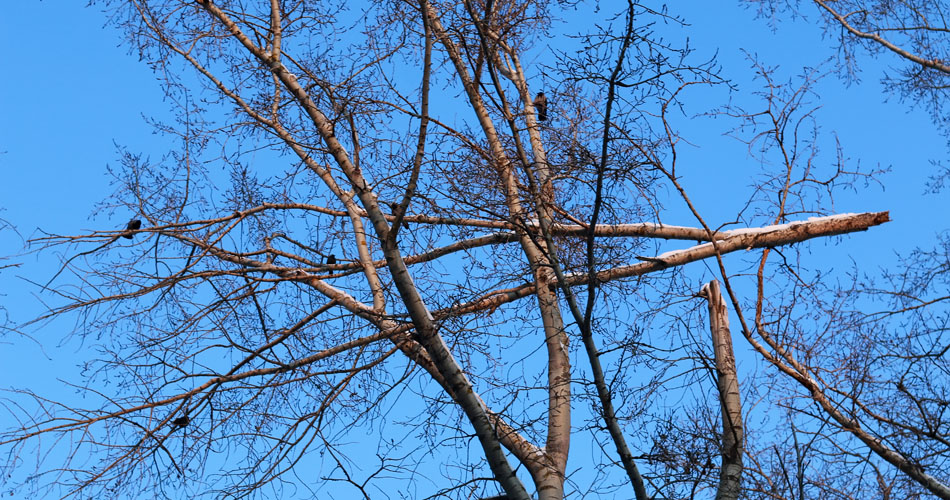
What is a hazard tree? A hazard tree is any tree that poses a risk to people or property due to factors such as disease, structural defects, or proximity to high-use areas (including campsites). Recognizing the signs of a hazard tree, including dead branches, cracks in the trunk, or an abnormal lean is a first key step for each of us. Review this new resource from the National Conservation Subcommittee on “Recognizing and Mitigating Hazard Trees” with your council staff and volunteers.
What can you do? Check out the list below and see how you can help Scouting be proactive in mitigating this risk.
For District and Council Volunteers
- Review this resource from the National Conservation Subcommittee on “Recognizing and Mitigating Hazard Trees” with your council staff and volunteers. Share Scouting’s Hazard Tree Safety Moment at roundtables, in newsletters and on social media.
- Remind units to avoid campsites with hazard trees. Share the section of the Guide to Safe Scouting that discuss hazard trees. Dead trees and dead limbs may fall at any time. Trees without needles, bark, or limbs may indicate structural defects.
- Remind Scouts and Scouters not use dead trees, hazard trees, or other unstable objects to support tents, canopies, or hammocks.
For Camp Property Committees and Rangers
- Review this resource from the National Conservation Subcommittee on “Recognizing and Mitigating Hazard Trees” with your council staff and volunteers. Hold routine inspections of your camp properties. These inspections should be documented and reviewed regularly to ensure that any issues are promptly addressed. Leverage the Post Camp and Pre-Camp Checklists.
- Lean on your property Conservation Plan to ensure this is properly addressed and the plan is working. See also NCAP standard FA-704.
- Consult with a certified arborist or forestry professional to assess the severity of the risk and to recommend appropriate actions. In some cases, pruning or bracing may be sufficient, while in others, complete removal of the tree may be necessary. Recruit these individuals to serve on your Council Conservation Committee.
For Short-Term Camp Administrators and Long-Term Camp Leadership
- Leverage the NCAP Site Appraisal Form to assess a camping location for hazard trees before your event.
- Remind units participating at your short-term camp events to assess their camping area for hazard trees that could impact them.
- Educate campers and volunteers about the dangers of hazard trees, and you could include this information in your short-term camp’s orientation meetings or planning guides.
- Remind campers to report any observed hazard trees to camp leadership.
Finally, it is important to have a response plan in place in the event that a hazard tree does cause an incident. This plan should include procedures for providing first aid, contacting emergency services, and securing the affected area to prevent further injury (this could also be included in your emergency procedures per NCAP AO-805). Regular drills and staff training can ensure that everyone is prepared to act quickly and effectively if necessary.
By adhering to these best practices and leveraging the resources available, we can create a safer environment for all campers. Regular inspections, proactive management, comprehensive education, and a well-prepared response plan are key components of effective hazard tree safety. Ensuring these measures are in place will help protect both people and property, allowing everyone to enjoy the great outdoors with peace of mind.
Camping
According to the Consumer Product Safety Commission, people die every year from carbon monoxide poisoning from the use of portable camping heaters, lanterns, or stoves inside tents, campers, and vehicles. Scouters often use many devices that can produce carbon monoxide. This includes trying to stay warm and overlooking the danger of bringing heating devices into enclosures or tents. As such, it’s essential to know about this hazard and what steps to take to prevent carbon monoxide poisoning in outdoor settings.
What is Carbon Monoxide?
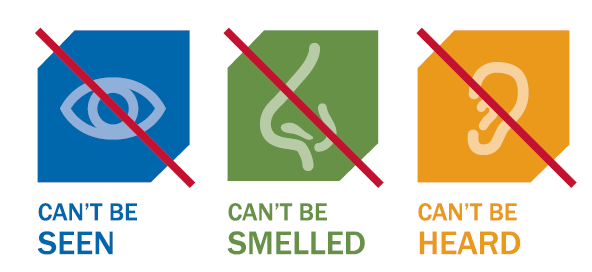
Carbon Monoxide (CO) is a non-irritant, colorless, and odorless gas produced by the incomplete combustion of carbon-based fuels. In Scouting, CO is often found in the fumes of portable camping heaters, lanterns, or stoves. Your Scout camp facility likely has additional sources too.
Why is CO such a risk?
When breathed in, CO will bind to your blood’s hemoglobin with an affinity 200-250 times greater than that of oxygen. This means your blood cannot deliver the oxygen needed by your organs and tissues. Like choking, you deprive your body of the necessary oxygen you need to survive.
What are the symptoms of CO Poisoning?
Symptoms resemble the flu and include headache, dizziness, weakness, upset stomach, vomiting, chest pains, and confusion. People sleeping can die from breathing in large amounts of CO before they even have symptoms.
How can I prevent CO poisoning?
Fuel-burning equipment such as camping stoves, camping heaters, lanterns, and charcoal grills should never be used inside a tent, cabin, or other enclosed shelter. During winter camping, be particularly careful if you create enclosed structures, such as wrapping outdoor pavilions or pop-up tents with plastic. Opening tent windows/doors or having small openings in enclosed areas is insufficient to prevent the build-up of CO concentrations from these devices.
What to do if you experience symptoms of CO poisoning?
Get outside to fresh air immediately! Also, contact a doctor immediately for a proper diagnosis.
No Flames in Tents
Scouting America and other camping organizations have long adopted a policy of “No Flames in Tents.” Other than the apparent fire danger this action prevents, most don’t think of the CO poisoning risk it eliminates. Since CO poisoning provides no visual, sellable, or auditory clues, the “No Flame in Tents” policy can easily be extrapolated to no propane-powered heaters in tents or enclosures.
COPE/Climbing / National Jamboree
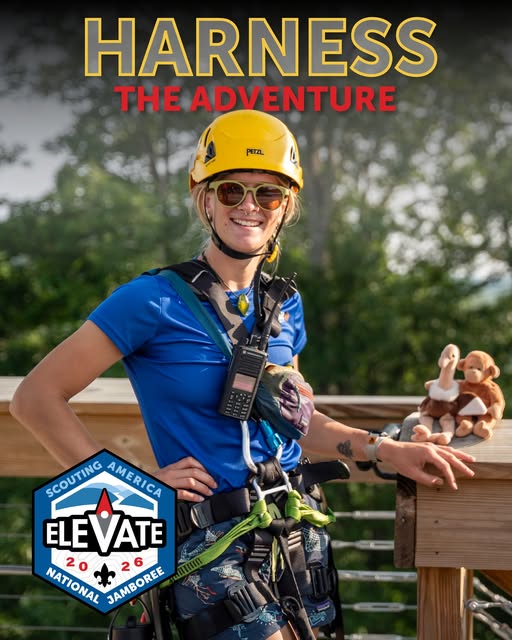
For summer camp staff looking to take their experience to the next level, an exciting opportunity awaits at the 2026 National Jamboree. The Summit Climbing and Aerial Support Team (CAST) is now recruiting enthusiastic and qualified individuals to help deliver one of Scouting America’s most thrilling program areas.
Held at the Summit Bechtel Reserve, the National Jamboree is Scouting America’s largest gathering—and CAST members will be at the heart of the action, supporting high-adventure activities like climbing, zip lines, canopy tours, and challenge courses.
To be eligible, applicants must:
- Be working at a council summer camp in 2026
- Be 16 to 29 years old by July 21, 2026
- Have a recommendation or endorsement from their camp director
Participants can choose from three staffing windows:
- July 19–31
- July 19–26
- July 26–31
Early arrivals are welcome and encouraged!
While this is an unpaid volunteer position, CAST members will receive meals, a special CAST patch, and the chance to earn a Level 1 certification in Climbing or COPE (for those 18 and older). More importantly, they’ll gain hands-on experience running large-scale programs, connect with fellow staff from across the country, and make memories that will last a lifetime.
Registration information: https://www.summitbsa.org/summitcast/
If you’re ready to climb higher and be part of something extraordinary, talk to your camp director and prepare to join CAST. This is your chance to help deliver the adventure of a lifetime at the 2026 National Jamboree.
National Jamboree
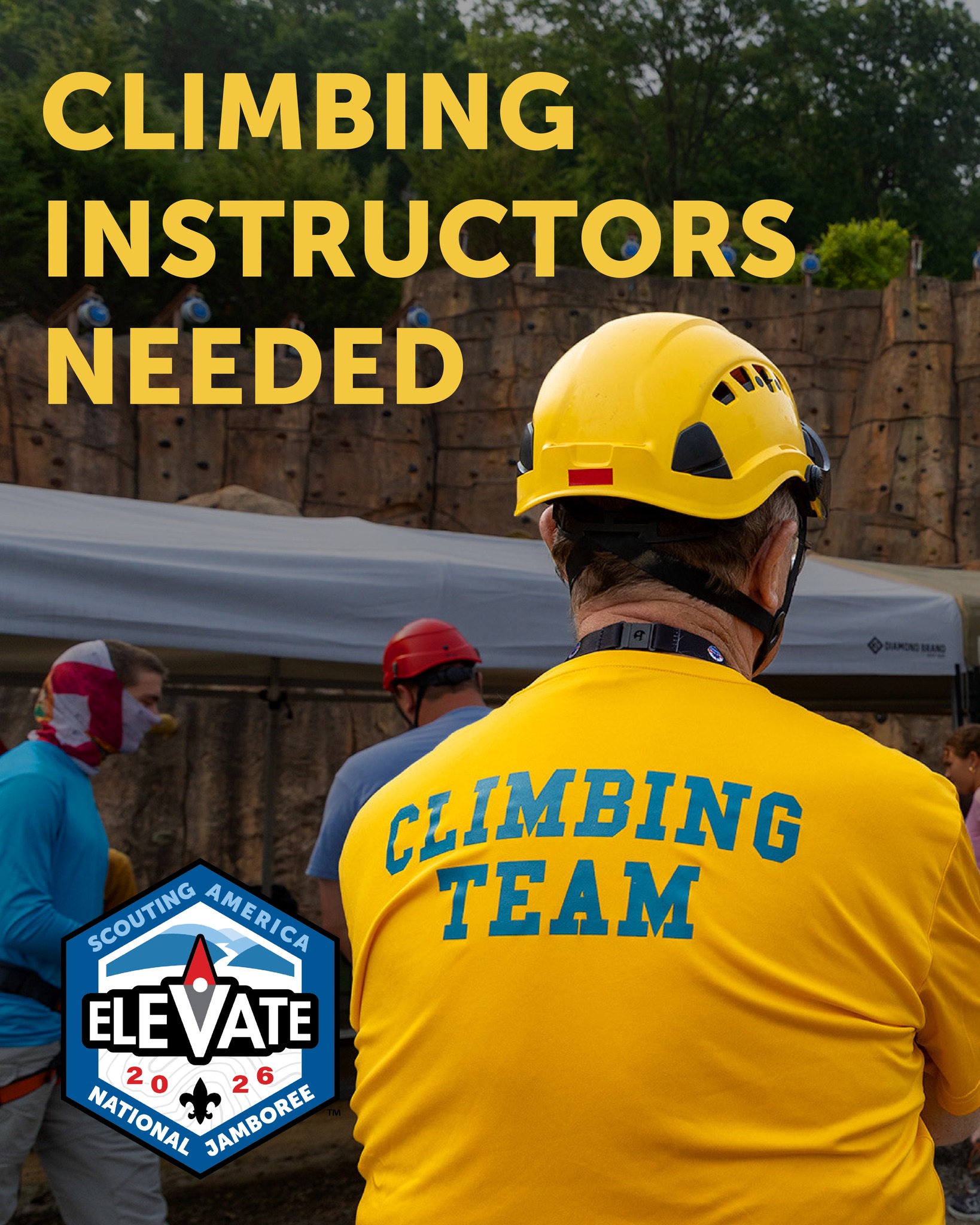
Looking for a way to make your summer unforgettable? The CAST (Climbing Aerial Support Team) Program is calling for enthusiastic camp staff ages 16–29 to join the team at the 2026 National Jamboree! No prior climbing or aerial experience is required—just a passion for Scouting and a willingness to learn.
This is a volunteer Summit Staff opportunity, offering a free pathway to serve on Jamboree staff while gaining hands-on experience at some of the Summit Bechtel Reserve’s most exciting venues. Approved CAST members will be assigned to:
- Aerial Sports (Zip Lines)
- Boulder Cove (Climbing Area)
If you’re ready to help deliver world-class adventure, this is your chance.
Learn more about the CAST Program HERE.

Camping
A small idea from a Scout’s desire to sleep outdoors sparked a troop wide movement. When the girls in Troop 114 heard about it, all wanted to join in!
The Senior Patrol Leader set up a one-hour troop meeting on Zoom. Starting with the flag ceremony, the regular troop opening and then they played troop wide games online, including “Scout Bingo” which was created with advancement requirements and troop related facts. They planned meals, cooked outdoors and shared pictures of meals and individual campsites on an app, set up by the Troop Scribe.
The Senior Patrol Leader planned a virtual campfire program and all Scouts returned at 8:00 pm. Songs, jokes, visiting with each other, vespers and a Senior Patrol Leader minute made up the evening.
The troop continues to meet via Zoom weekly. A Scout mentioned at the campfire, “This is so much fun! I hope we get to do it again!” Pausing, she said, “I mean, I would rather be backpacking or on our Moab Utah trip but if we can’t this is awesome!”
Learn more at: www.trooponefourteengirls.com.
Camping
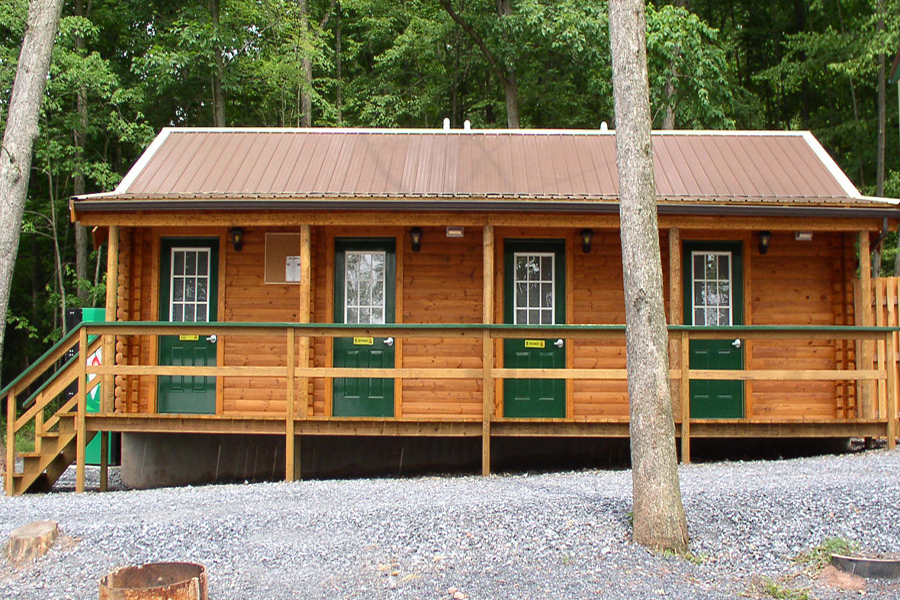
Conestoga Log Cabins values their relationship with Scouting America which spans more than 15 years. They have worked with several councils and have provided the scouts with numerous buildings over the years. Their latest project is with the Silicon Valley Monterey Bay Council’s Camp Hi-Sierra. This 14-building project includes 7 custom bunkhouses, 1 health lodge, 3 Pioneer cabins, 2 ADA cabins and a beautiful Ranger’s Lodge.
Scouting America’s Outdoor Programs and Properties team has reviewed and approved a selection of Conestoga’s buildings layouts. You will see a single user bathhouse, staff cabins and pavilions. In addition, Conestoga offers a wide range of buildings such as bare bones cabins, bunkhouses, shower houses, dining halls and commissaries.
Conestoga is known for its high quality, superior customer service and an inclusive kit package that is incredibly easy to assemble.
Click on this link for more information: https://bsa.conestogalogcabins.com/
NCAP / Properties
Investing in professional development is critical for every Scouting employee, including camp rangers. It enables each of us to stay current with the latest advancements, trends, and best practices in our roles supporting camp facilities. It is so crucial to ensure that camp rangers receive continuing education that the NCAP standards require 12 hours of annual continuing education (see NCAP standard SQ-404.B.2). Reminder, your staff leader must approve your continuing education plan.
As you wrap up the summer camp season, fall can be a perfect time to ensure that you have completed your camp ranger annual continuing education. An area not always well understood are the requirements of OSHA. The Occupational Safety and Health Administration (OSHA) is a federal agency dedicated to ensuring safe and healthy working conditions for employees across various industries.
Established in 1970, OSHA sets and enforces standards, provides training, outreach, education, and assistance to maintain workplace safety. For camp rangers, understanding and adhering to OSHA regulations is crucial to protect staff and campers, prevent accidents, and ensure compliance with federal laws. Note that some states have state specific OSHA so research your state to confirm.
Common areas of concern include proper storage and handling of chemicals, maintenance and inspection of machinery and tools, electrical safety, and emergency preparedness. It’s essential to comply with OSHA’s Hazard Communication Standard (HCS) to ensure that all hazardous chemicals are correctly labeled and that Safety Data Sheets (SDS) are accessible to all employees. Regular maintenance and safety checks of equipment such as lawnmowers, power tools, and HVAC systems are also necessary to prevent accidents. Any of this sound familiar? (see NCAP FA-700 facility standards!)
So what OSHA training is available? Check out these options below and consider adding them to your continuing education plan.
- Consider starting with OSHA #7500—Introduction to Safety and Health Management.
- Authorized OSHA Online Training Providers. The organizations at this link are the current OSHA-authorized online Outreach Training Program providers and have 10-30 hour courses available online.
- OSHA eTools and eMAtrix online videos. eTools and the eMatrix are “stand-alone,” interactive, Web-based training tools on occupational safety and health topics.
Be sure to document your training so you can include the information in your 2025 NCAP assessment materials. Enjoy your course and I look forward to hearing what you learned! Questions? Reach out to outdoorprograms@scouting.org.
NCAP
Have you ever thought, “If I were in charge of that program, I’d change a few things”?
If so, you’re not alone , and the National Camp Accreditation Program (NCAP) was built with exactly that spirit of improvement in mind.
NCAP was created to help councils assess, strengthen, and sustain their camping programs. Its purpose isn’t to shut camps down, a common misconception when it launched, but rather to ensure every council camp delivers a safe, high-quality, and memorable Scouting experience for youth.
At its core, NCAP helps councils:
- Evaluate financial health, program quality, and facilities
- See the real impact their camp programs have on their communities
- Build strategic plans for continuous improvement
How the Process Works
Councils gather data about their camping operations, then use it to identify opportunities for growth.
Through structured forms, reviews, and planning tools, they can map out steps to elevate both their programs and facilities.
NCAP follows national standards — the baseline level of service and safety every camp should provide. These standards are reviewed annually by Subject Matter Experts (SMEs) who ensure programs meet current industry best practices. Their guidance helps guarantee that when families are deciding how their Scout should spend the summer, they can trust the program will be fun, safe, and of the highest quality.
NCAP isn’t static — it evolves. The NCAP committee actively seeks feedback through:
- Focus groups with council leaders
- Surveys after the authorization process
- Workshops at the National Outdoor Conference
Everything is aimed at one goal: making Scouting camps better every year.
Your Voice Matters
If you have an idea for improving the NCAP process, the committee wants to hear from you. Your insights could help shape the future of Scouting’s camping programs.
Email ncap@scouting.org with your suggestions.
Bottom line: NCAP exists to help councils deliver safe, engaging, and sustainable camping experiences — and it works best when everyone contributes to the process.
COPE/Climbing
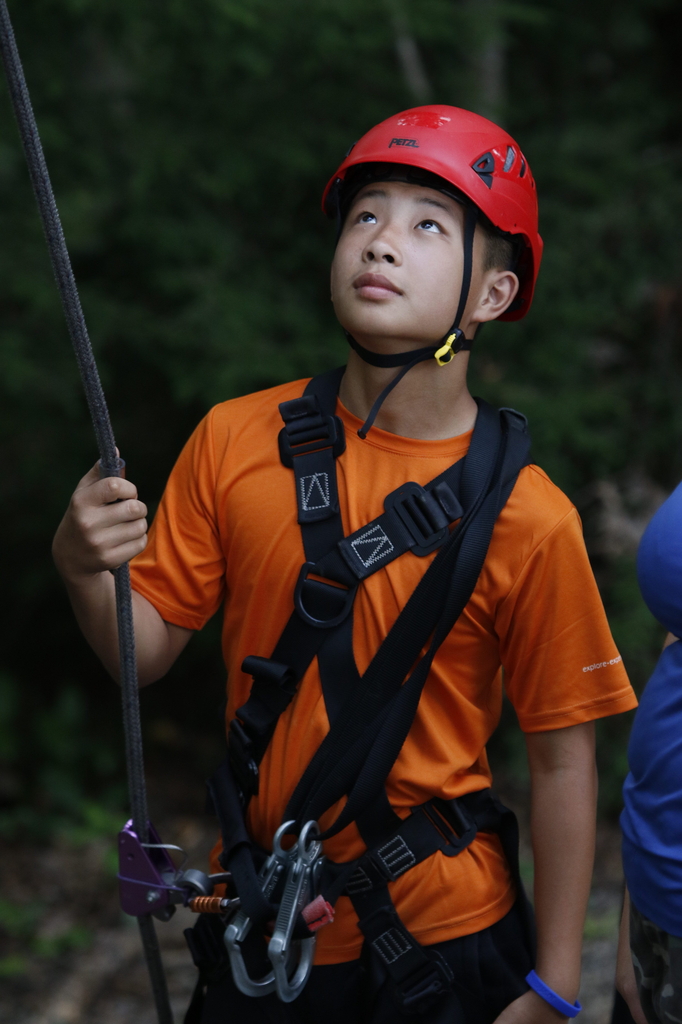
What is a Level 2 COPE or Climbing Instructor? A Level 2 COPE or Climbing Instructor is an instructor over 21 who has taken a course from a Program Manager or Program Trainer to be able to be the primary instructor of climbing or COPE events, depending on their training on that particular facility. They are assisted by another level 2 instructor or a level 1 instructor over age 18. They are capable of training Level 1 instructors to assist with COPE and Climbing events. A 6:1 ratio is necessary for participants actively participating with rope. Two instructors are required to run any event or program, so they can supervise up to 12 participants. Another instructor must be added for every 6 participants. The Level 2 instructor is proficient in the foundation skills of both COPE and Climbing, still up to date on their level 1 skills, and have taken a course in COPE or Climbing to expand their skills to Level 2 Instructor to those specific programs.
A Level 2 COPE or Climbing Instructor and his assisting level 2s or Level 1s can run a summer camp program if their Council and its Program Manager or Program Trainer wish to train summer camp staff. The Program Manager or Program Trainer is available to advise those who he or she trains and is responsible for vetting and monitoring the quality of that instructor’s operation; such that a Program Manager or Trainer’s training abilities can be reviewed or revoked if sub par training is discovered.
Many COPE and Climbing instructors both take a tower class. Some COPE instructors take a course from a council that may only have low COPE and then maybe a tower and a zip line. Some Climbing instructors may only take people climbing on local rock faces. Others may only operate their council’s indoor climbing wall. There are a variety of combinations, so in most councils (or at some times, collaborations of councils) that have a Program Manager or Program Trainer who teaches Level 2 instructors to run the programs for the facilities or rock in their council (or collaboration of councils) only.
This summer, we may see some councils for temporary or long standing collaborations with councils that have Program Managers or Program Trainers who teach on similar facilities due to the lack of availability of National Camping School courses because of Covid 19.
In this subcommittee chair’s opinion, becoming a COPE or Climbing Director at National Camping School often affords the Director the interaction with more than one out of council NCS Instructors, yielding a perspective possibly not available in a local council program, to his or her benefit, though I have seen many very strong Program Managers and Program Trainers’ training. To this end, councils that exclusively use the Program Manager or Program Trainer Program to train Level 2 COPE or Climbing Instructors have been informed of the new 2020 NCAP standard in SQ 409 that says as Program Manager’s cards expire, all who wish to continue to teach or develop Level 2 training programs within their councils will send someone back to National Camping School to get a COPE or Climbing Director card before they can take the Program Trainer card to train Level 2 Instructors; thus yielding the perspective of a return to National Camping School at least every 5 years to the Program Trainer who will pass his or her insight on to his Instructor candidates. Level 2 Instructors will no longer be allowed to become Program Trainers.
And as always, this sub-committee’s passion is to spread a love of climbing and challenge activities among units and the youth in them. Unit leaders who become Level 2 COPE or Climbing instructors will take youth climbing and out on challenge courses. They will foster growth, team building and challenging experiences for youth in many different types of units. Whether the unit leader or youth got his or her passion to teach or participate in climbing and COPE from attending a summer camp, or the unit members chose to further their instruction through a merit badge or instructor class at summer camp because they came from a troop who climbed, the Level 2 instructor trained by a Program Manager or Program Trainer can be the point where these passions begin to grow and expand. We love to see Units who take the Level 2 Instructor course who take youth climbing who grow up to be leaders who become Instructors to take youth climbing.
Continue to train safely.
Email blast!
Email blast!