Citizenship in the World assists Scouts to develop strong character by encouraging them to understand global responsibilities, respect cultural differences, and recognize their responsibilities and duties in an interconnected world. After completing the Citizenship in the World merit badge, the Scouts grow in empathy, leadership, and ethical decision‐making.
Overview
Scouts who earn the Citizenship in the World merit badge will discover that they are already citizens of the world. How good a citizen each person is depends on their willingness to understand and appreciate the values, traditions, and concerns of people in other countries.
Citizens of the World
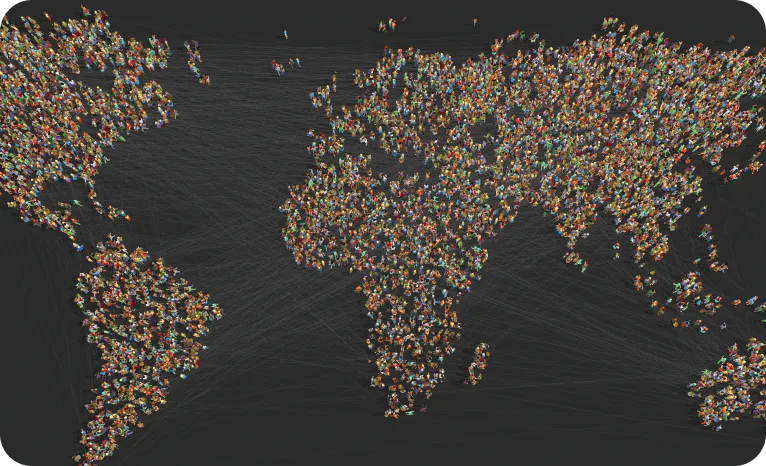
We don’t live in our own world. We share the planet with more than 8 billion people. These people stare at the same sky, but they see it from different positions: coral islands, desert dunes, terraced mountains, rainforests, grasslands, and landlocked megacities. And yet most of these people want the same things we want: good health, personal security, and the freedom to worship as we please, speak what we think, choose our lifestyles, and elect our leaders.
How Citizenship Is Evolving with the New Generation
The World Population
Imagine living on a planet with over 8 billion people, and it’s growing by about 200,000 every single day! That’s like adding a whole stadium of people every hour. Our world is full of extremes: the smallest country, Vatican City, is so tiny it could fit inside a neighborhood, while Russia is so massive it spans more than 6.6 million square miles! And here’s something cool: over 5.5 billion people are online right now, meaning more than half the world is just a click away. Citizenship in the World is your chance to explore this amazing global community and discover how you fit into it!
Watch How Our World Is Growing: Explore Population Trends & Fastest-Growing Countries!
Staying Connected: How Global News and Social Media Shape Our World
Today, the world is connected through communications networks on the ocean floor, on the ground, in outer space, and in cyberspace. The internet and television allow people all over the globe to get information previously inaccessible. We can now see wars fought in real time. We talk online in chat rooms full of people who share specific interests yet live in different countries. We watch breaking news and live performances on TV.
People tend to interpret the impact of international events from their own cultural or national perspective. But as global trade increases, as nations form regional economic and military alliances, and as activists point out key issues, citizens and governments worldwide must recognize that we are living interdependently. Easy access to instant information makes the world a smaller place and challenges our views about other nations. What we do and don’t do affects the world, and the world affects us.
Smart Citizens Check the Facts: Stay Informed with Verified Global News
Before you surf the internet to learn more about the world, be sure you have your parent or guardian’s permission.
Did You Know:
The Declaration of Independence boldly states that all people are created equal and have certain unalienable rights—life, liberty, and the pursuit of happiness. These words shaped the foundation of freedom in the United States and inspired movements around the world. But here’s the reality: while we share the same planet with more than 8 billion people, not everyone enjoys the same rights, freedoms, or opportunities. Understanding this difference is the first step toward becoming a responsible global citizen.
Now Let’s Explore the Requirements for the Citizenship in the World Merit Badge!