Few outdoor activities connect with Scouts as naturally and universally as fishing.
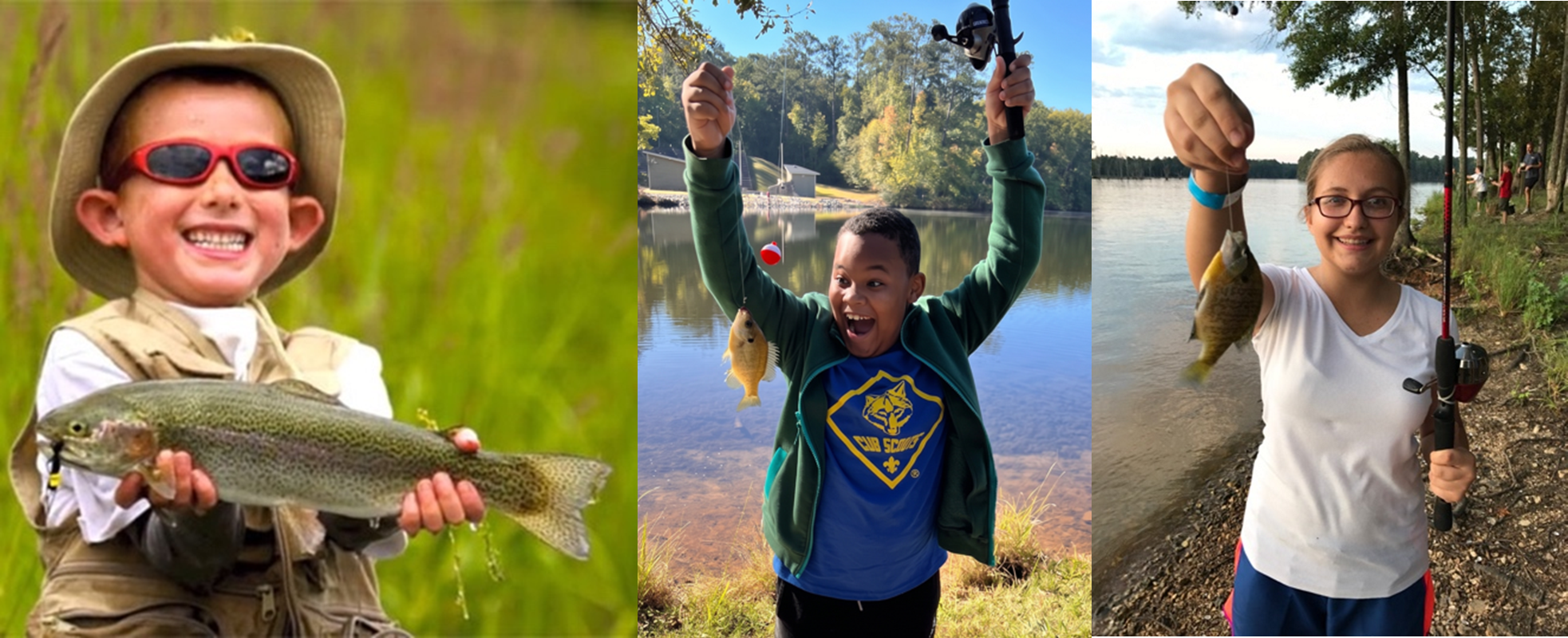
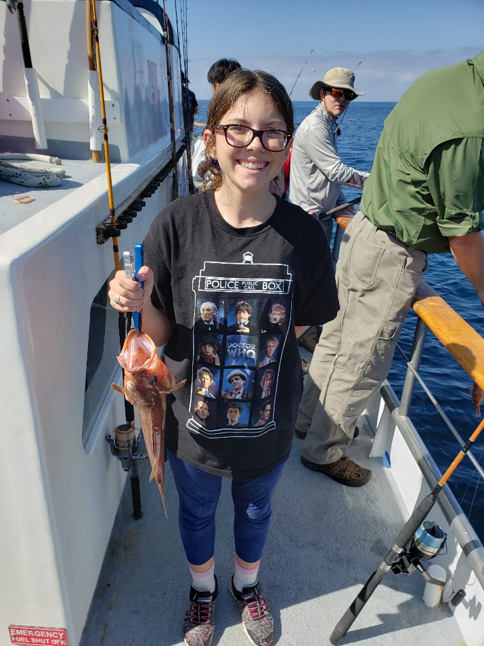
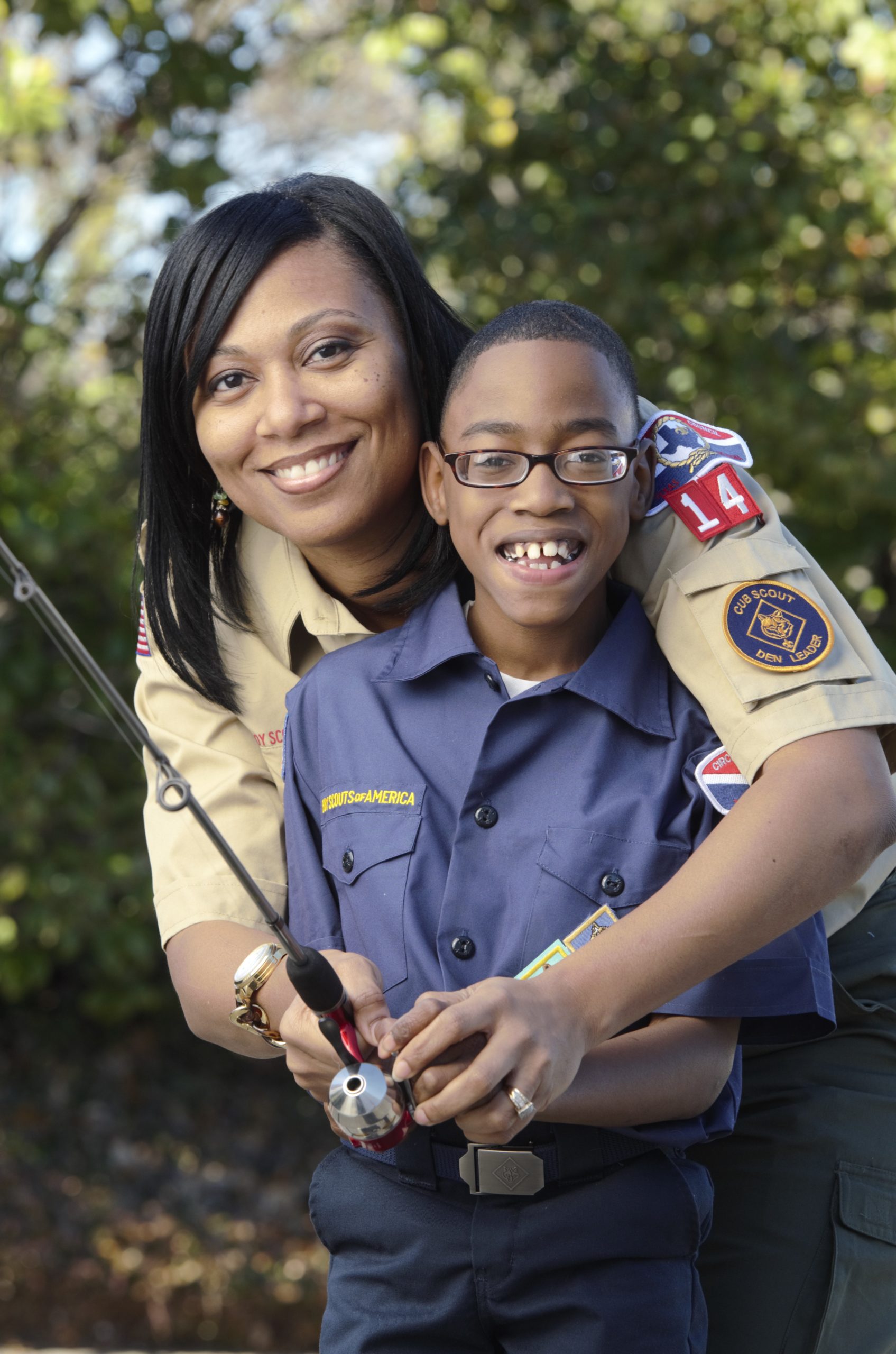
A Cub Scout grips the fishing rod tightly as the bobber disappears beneath the surface. A parent kneels beside them, coaching their Cub while excitement builds. Moments later, a bluegill breaks the surface of the water, and suddenly the shoreline erupts in cheers, laughter, and a smile that may last a lifetime.
In councils across the country, leaders see this same moment play out every year. For many youth, that first fish becomes more than just a fun outdoor activity — it becomes a moment of confidence, connection, and discovery that deepens their relationship with Scouting and the outdoors.
Fishing creates excitement for youth, strengthens outdoor programs, supports recruitment and retention, and helps families build lasting memories together. Fishing is also one of the rare outdoor activities that engages every age group within Scouting, bringing together youth, parents, leaders, and grandparents while creating opportunities for mentorship, confidence-building, and conservation education.
Across the country, councils are increasingly using fishing as a tool to strengthen Recruitment, Retention, and Reactivation (R3). Fishing events are easy for new families to participate in, highly visible in local communities, and adaptable to nearly every council’s outdoor program.
Fishing in Cub Scouts
Cub Scouts love to fish, but many parents and unit leaders may not know how to safely teach fishing skills or organize successful fishing events.
Scouting America offers Fishing Basics training, designed primarily for pack leaders, Cub Scouts, and their parents, while also supporting Scouts BSA leaders and volunteers. A Certified Angling Instructor (CAI) or Angling Educator (AE) teaches the Fishing Basics course.
Fishing is now integrated into Cub Scout Adventures at every Cub Scout level, making it an increasingly important part of pack outdoor programming. Fishing activities work especially well at:
- Public recruiting events at community ponds, lakes, parks, churches, and schools
When conducted in visible public locations, fishing events can also become highly effective recruiting opportunities for new families.
Councils looking to strengthen their Cub Scout fishing programs should seek out Certified Angling Instructors (CAIs) and Angling Educators (AEs) who can assist with training, program development, and event support.
Additional Cub Scout fishing resources include:
Fishing in Scouts BSA
As Scouts grow older, many want to deepen their fishing knowledge and expand their skills.
Fishing education within Scouts BSA centers around three key merit badges:
- Fish and Wildlife Management
Scouts who complete all three merit badges and complete additional fishing-related service or leadership activities may earn the Complete Angler Award.
For many Scouts BSA members, summer camp or council fishing events become their first exposure to advanced fishing techniques, conservation practices, and structured outdoor instruction. Fishing opportunities are also available at all four national high adventure bases.
Strong fishing programs strengthen troop and council outdoor programming by increasing youth engagement, supporting advancement, expanding outdoor skills, and encouraging conservation stewardship throughout the year.
Building a Strong Council Fishing Program
Councils looking to expand their outdoor program offerings should consider forming a dedicated Council Fishing Committee.
As of this writing, more than 30 Council Fishing Committees are active nationwide, with additional committees currently in development.
A successful council fishing program functions much like a three-legged stool:
- It trains fishing instructors and program leaders
Councils need qualified volunteers who can confidently teach fishing skills and support unit leaders.
- It provides age-appropriate fishing equipment
Accessible gear helpseliminate barriers for youth and new families.
- It develops access to productive fishing locations
Especially for Cub Scouts, early success matters. Young Scouts who are not catching fish quickly often become frustrated, lose interest, and may never fish again. Successful councils work toidentify and maintain lakes and ponds with healthy fish populations where youth have a strong chance of catching a fish within a short period of time.
The seat of the stool is the council’s outdoor program itself — recruiting events, Cub-O-rees, camporees, summer camp programs, training courses, and year-round fishing opportunities that bring all three elements together. In councils with established Council Fishing Committees, those committees often help lead and coordinate this work.
Fishing programs can be scaled to fit nearly any council size or budget. Even modest programs can create meaningful impact when built around trained leadership and accessible local opportunities.
Councils interested in learning more about establishing a Council Fishing Committee should watch for upcoming “How to Create A Council Fishing Committee” webinars scheduled for September 22 and September 24, 2026.
For questions about creating a Council Fishing Committee, email:
Bill Kalbas — mccfishing415@gmail.com
The National Fishing Leadership Team
The Scouting America National Fishing Leadership Team (NFLT) is composed of trained volunteer subject matter experts who support fishing education and program development across Scouting America.
The NFLT oversees four levels of fishing instruction:
- Fishing Basics – Teaches pack leaders and parents how to take youth fishing.
- Angling Educator (AE) – How to teach fishing and run events at a council level. How to teach Fishing Basics.
- Certified Angling Instructor (CAI) – How to plan, run, and lead fishing programs at councils, camps, and national events. How to teach Angling Educator.
- Fishing Course Director (FCD) – How to plan and teach all of these courses.
Since 2005, the NFLT and its Fishing Course Directors have trained nearly 5,000 Scouters to serve as fishing instructors at the unit, district, and council levels. More than 2,500 of those leaders — over half of all trained to date — have been trained since January 2024.
The NFLT also serves as a subject matter expert resource supporting Cub Scout, Scouts BSA, and Venturing fishing advancement, program updates, leadership support, training curriculum development, and fishing resource development. In addition, the NFLT helps train staff and provide special-event support at national high adventure bases and major Scouting events.
NFLT volunteers and CAIs nationwide have organized and operated fishing programs at National Jamborees, NOAC, VenturingFest, and Scouting America’s national high adventure bases.
The team’s focus remains simple: help more youth successfully learn to fish, enjoy the outdoors, and strengthen their connection to Scouting through meaningful outdoor experiences.
Fishing Resources for Councils and Leaders
Scouting America fishing resources are available online at:
For questions on Scout fishing resources and training, email: fishing.scoutingamerica@gmail.com.
At its core, fishing in Scouting is not just about catching fish.
It is about creating confidence, mentorship, outdoor connection, conservation awareness, family participation, and lifelong memories.
Every new Cub and Scout who learns to fish gains more than a skill — they gain confidence, patience, outdoor awareness, and a connection to Scouting that can last a lifetime.
“We measure our success in smiles.”