


Scouting America

Preventing Slip and Fall Accidents During Winter Months: A Guide for Council Property Supervisors

Properties

Preventing Slip and Fall Accidents During Winter Months: A Guide for Council Property Supervisors

2024 November Edition

Bruce

Properties

Preventing Slip and Fall Accidents During Winter Months: A Guide for Council Property Supervisors
2024 November Edition
Bruce
slips-trips-and-falls-blog_1200x1200

As winter approaches, council properties face the heightened risk of slip and fall accidents due to snow and ice accumulation. These incidents can lead to severe injuries, legal liabilities, and increased insurance costs. Therefore, it is essential to implement effective strategies to prevent accidents on your council’s properties during the colder months. Here are some practical measures that can help ensure safety. 

Regular Snow and Ice Removal 

The most critical step in preventing slip and fall accidents is prompt and thorough snow and ice removal. Develop a snow removal plan that includes regular clearing of walkways, driveways, and parking areas. Utilize snow shovels, plows, or hire professional services to ensure all surfaces are clear of snow and ice as soon as possible after a storm. 

Use of De-icing Agents 

Applying de-icing agents, such as salt or calcium chloride, can significantly reduce ice formation on walkways and steps. Property owners should stockpile these materials and apply them liberally on high-traffic areas, particularly in the early stages of winter when the risk of freezing rain is high. Be mindful of the environmental impact and choose eco-friendly alternatives when possible. 

Clear Signage and Warnings 

Visibility is crucial during winter months. Use clear signage to warn visitors and tenants about potential icy conditions, especially in areas prone to freezing. Signs should be well-placed, easily readable, and reflect current weather conditions. This proactive approach can alert Scouts and Scouters to tread carefully and stay vigilant. 

Improve Outdoor Lighting 

During winter, daylight hours are limited, making good outdoor lighting essential. Ensure that all walkways, entrances, and parking areas are well-lit to help individuals see any potential hazards. Motion-sensor lights can provide added safety by illuminating areas when people approach, reducing the risk of accidents in dimly lit spaces. 

Maintain Safe Walkways 

Regularly inspect and maintain all walkways and outdoor steps to ensure they are in good condition. Look for cracks, uneven surfaces, or any other hazards that could contribute to falls. Repairing these issues promptly will enhance safety and reduce liability concerns during the winter months. 

Encourage Safe Practices 

Promoting safe practices can greatly reduce the risk of slip and fall accidents. Consider delivering a safety moment prior to activities, meetings, training sessions or other Scouting related gatherings. What is a safety moment you ask?  Safety moments are a crucial component of Scouting America’s Culture of Safety, underscoring our commitment to identifying, preventing, or mitigating hazards and risks in all Scouting activities. As with other safety-conscious organizations, we initiate meetings and events with a brief pause to discuss potential dangers and how to avert them, focusing the group’s attention on safety protocols.  For more information about delivering a safety moment, please review NCAP Recommended Practice 552 or visit the Scouting.org Safety Moments website

Establish a Reporting System 

Implement a clear reporting system for your property’s visitors to communicate hazardous conditions they may encounter. Providing a method for reporting slippery areas, damaged walkways, or insufficient lighting can help you respond promptly to emerging risks. This not only enhances safety but also fosters a culture of vigilance within your property. 

Regular Hazard Analysis 

Conduct regular safety audits of your properties during the winter months. This proactive approach allows you to identify and address potential hazards before they lead to accidents. Consider involving a third-party safety consultant for an unbiased evaluation, ensuring that all safety measures are adequately implemented and effective.  Councils should consult the Enterprise Risk Management Committee Guidebook for guidance about creating a culture of risk mitigation. 

Prepare for Emergencies 

Even with the best precautions, accidents can still happen. Prepare for emergencies by having first aid kits readily available and ensuring that Scouts and Scouters know how to respond to slip and fall incidents. Keeping contact information for medical services and legal support accessible can streamline the response in case of an emergency. 

By taking these proactive measures, property owners can significantly reduce the risk of slip and fall accidents during the winter months. Prioritizing safety not only protects individuals on your property but also safeguards financial interests and enhances the council’s reputation as a responsible property owner. 

See the rest of the articles from the 
2024 November edition
See the rest of the articles from the 
2024 November edition

Related

Other Propertiesarticles

Camp-Schelkopf-G-1

Properties

Winter weather can bring challenges to outdoor maintenance projects at Scout camps. However, it’s also an opportune time to focus on indoor tasks that contribute to the overall upkeep of the camp. In this article, we’ll explore maintenance projects that can be done indoors during the winter season.

Cabin Inspections and Repairs:

Use the winter months to inspect cabins for any issues that may have arisen during the year. Check for leaks, drafts, or damaged windows and doors. Addressing these concerns early ensures a comfortable and secure environment for campers when the camping season resumes.

Indoor Painting and Refinishing:

Consider giving indoor spaces a fresh coat of paint or refinishing wooden surfaces. This not only enhances the aesthetics of the camp but also helps protect surfaces from wear and tear.

Update your FIIX Records:

Use this time indoors to ensure your FIIX records and files are up to date. Have you logged all the maintenance from the last few months? Create check lists for spring and get prepared for summer. Aren’t using FIIX yet? Reach out to outdoorprograms@scouting.org for details on this important tool.

Equipment Inventory and Repair:

Take inventory of indoor equipment such as tables, chairs, and kitchen appliances. Identify items that require repair or replacement. This ensures that all equipment is in optimal condition for the upcoming camping season.

Safety Equipment Check:

Inspect and maintain safety equipment stored indoors, including first aid kits, fire extinguishers, and emergency exit signage. Confirm your SDS sheets are up to date. Replace expired items, replenish supplies, and ensure that all safety measures are up to date.

Storage Organization:

Take the opportunity to organize storage spaces. Properly label and arrange equipment, tools, and supplies. This not only makes it easier to locate items when needed but also contributes to a more efficient use of indoor spaces.

Training and Development Sessions:

Use the winter weather to focus on your professional development. There are many online trainings that can be a great addition to your training profile as well as ensure you have the required 12 hours of continuing education per NCAP standard SQ-404.

Winter at Scout camps provides a unique chance to focus on indoor maintenance projects that contribute to the overall well-being of the camp. By tackling these tasks during the colder months, you ensure that the camp is ready to welcome campers with open arms when the warmer weather returns.
Snow Picture

Properties

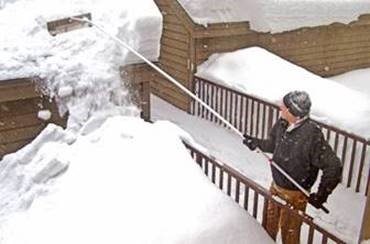
If your camp location experiences heavy snowfalls during the winter months, your roofs may be at risk of collapsing. It’s not just the amount of snow, but also the snow’s water content that contributes to the overall weight. One inch of water weighs 5.2 pounds per square foot, and snow can have different distributions of water content. A particularly wet snowfall can pose a greater danger for your roof, and rain falling on the snow can triple its weight.

The following tips from Church Mutual can help you prevent roof collapse from snow:

  1. Regularly inspect your roofs for damage. Well-maintained roofs are less susceptible to snow collapse. Perform an annual inspection on every roof at your camp — or hire a contractor to do so. Remember to follow all safety regulations.
  2. Watch for warning signs that may indicate structural weakness in your roofs. Warning signs to keep an eye out for include:
    • Doors or windows that are difficult to open.
    • Cracking, popping or groaning sounds.
    • Bent or deformed metal roof supports or beams.
    • Walls that have cracks or are bending outward.
    • Roofline or decking that is sagging or wavy.
  1. Determine the maximum safe snow depth for each roof. This should be based on each roof’s load capacity as determined by an engineer during the planning and construction process. If you don’t know the load capacity of your camp’s roofs, consider enlisting the services of an engineer to provide you with this crucial information. It’s also important to know the type and amount of snow your camp location typically receives.
  2. When snow accumulates at your camp location, keep an eye on your roofs. Many camps do not maintain full-time staff on-site during the off-season. If that’s the case for you, be sure to implement a process for monitoring snow depth on your roofs throughout the winter. Watch for snow in roof valleys — low areas of the roof that may end up bearing a larger load of snow than other areas. Check the downwind side of pitched roofs, and if there are dormers or other structures on your roof, watch for accumulation of snow along the sides.
  3. Remove snow from your roofs before it reaches 50% of the safe snow depth. You can do this by using a roof rake. If this cannot be completed from the ground, consider securing the services of a qualified, licensed contractor, given the risk involved and the potential for damage to the roofs.
  4. When removing snow from your roofs, do so uniformly, in layers. This will prevent unbalanced loads, which could cause a collapse. Again, consider using a qualified licensed contractor to help you remove snow from your roofs.
camp maint

Properties

Maintaining a Scout camp property involves various challenges that can affect the bottom line of the camp and your local council. Here are three common myths about maintenance that can hurt your camp and council’s financial health: 

Myth 1: Maintenance Is Only Necessary When Something Breaks 

Reality: Waiting for things to break can lead to costly repairs and downtime. Preventive maintenance, such as regular inspections and servicing, can help identify and address issues before they become major problems. This approach can save your camp money in the long run by reducing the need for extensive repairs and ensuring that facilities are safe and functional. This is one of the reasons the NCAP standards include a pre and post camp inspection – so you can proactively prepare for camp. 

Myth 2: Outsourcing Maintenance Is Always More Expensive 

Reality: While outsourcing maintenance may seem more costly upfront, it can save money in the long term. Professional maintenance providers often have specialized knowledge and equipment that can lead to more efficient and effective repairs. Additionally, outsourcing allows your camp staff to focus on their core responsibilities, leading to increased productivity and potentially reducing overall costs. It is important to budget for additional maintenance support to supplement the knowledge and skillset of your on-site camp ranger. Your camp ranger(s) has many responsibilities and may need additional help to prepare camp to open. 

Myth 3: Cutting Maintenance Costs Is a Good Way to Save Money 

Reality: While cutting maintenance costs may seem like a quick way to save money, it can end up costing your camp more in the long run. Neglecting maintenance can lead to equipment failures, safety hazards, and a decrease in property value. Investing in regular maintenance can help your camp avoid costly repairs and ensure that facilities remain in good condition for years to come. Owning a camp (or multiple camps!) is not easy and funding maintenance is critical to managing these assets. Ensure that your maintenance budget reflects the needs of your specific camp(s). Start by estimating the annual costs for routine maintenance tasks such as groundskeeping, building repairs, and equipment servicing. Consider factors such as the age and condition of your facilities, as well as any upcoming maintenance projects. It’s also wise to budget for unexpected repairs or emergencies. Leverage the NCAP tools (such as the CFET and CCIP) to help you predict and plan for maintenance costs. Finally, utilizing the FIIX software can help you plan for your annual maintenance costs accurately. For details on FIIX, email andrea.watson@scouting.org 

In conclusion, maintaining a Scout camp property is essential for its long-term success. By dispelling these maintenance myths and investing in regular upkeep, your camp can save money, ensure safety, and provide a positive experience for campers and staff alike. 

Dashboard-1-OPT (1)

Properties

After months and months of juggling maintenance projects, capital improvements and year-round camp visitors, summer camp is just days or weeks away! For our camp rangers and maintenance teams, maintaining camp during the summer camp season can be complex! With new and returning camp staff, hundreds of weekly visitors, and the inevitable breakdown of some piece of equipment, it can be stressful to keep camp “day 1” ready every day.  

Here are a few suggestions of how you can leverage your summer camp staff to help them help you! 

  • Provide resources. Working alongside the camp director, ensure that camp staff understand what a clean, safe and hazard free environment looks like in their specific area and then provide camp staff with cleaning supplies and basic supplies to help you help them keep their respective areas clean and hazard free.  
  • Regular Inspections. Camp staff can conduct routine inspections of camp facilities, equipment, and grounds. See something? Say Something! They should report any issues, such as damaged buildings, broken equipment, or hazardous conditions, to the maintenance team promptly. This proactive approach can help prevent minor issues from becoming major problems. Make regular inspections a part of their daily camp routine in their assigned areas. 
  • Have a specific process to notify you when something needs maintenance and communicate it to camp staff. Is this via paper? Via FIIX or other CMMS software? Online? Via text? The easier the process, the more likely you will know when something needs immediate repair. Share a sample of a “work order” that meets your expectations so camp staff know what will best help them help you help them when they submit a work order.  
  • Promote a Culture of Care: Camp staff can help promote a culture of care and respect for camp facilities among campers and visitors. Encouraging campers to clean up after themselves, use facilities properly, and report any damage they notice can help prevent unnecessary wear and tear on camp facilities. By modeling this behavior as camp staff themselves, campers will also model this behavior.  

By actively involving camp staff in camp maintenance efforts, camps can ensure that their facilities remain safe, functional, and enjoyable for all campers and visitors throughout the camp season. 

See the Most Popular Content!

Subscribe to the Trail to Adventure blog
Email blast!
Subscribe to the Trail to Adventure blog
Email blast!
Chat Icon
Scoutly Toggle Size Close Chat